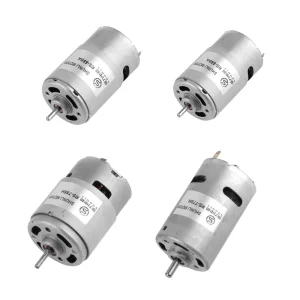
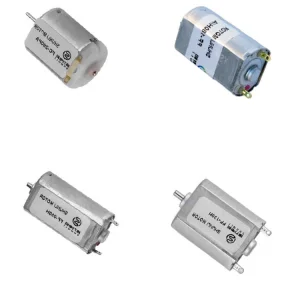
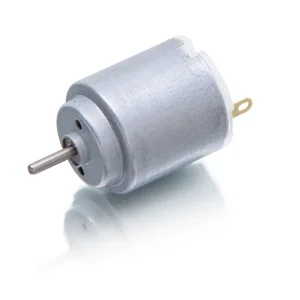
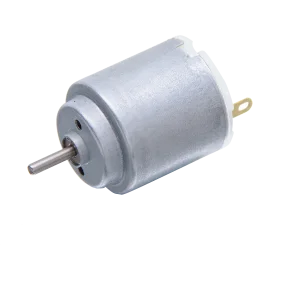
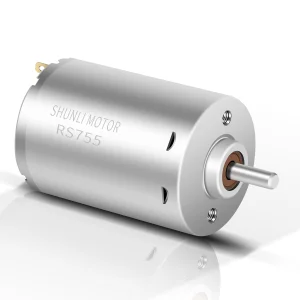
Featured custom engineering configurations optimized for direct sourcing
The Île-de-France region, with Paris at its core, is experiencing a major technological shift. Driven by France's "Industrie du Futur" initiatives and the expansion of the regional aerospace, automotive R&D, and biotechnology clusters, the city has evolved into a key hub for smart hardware engineering. Paris is home to some of Europe's most innovative smart home startups, medtech design offices, and automotive engineering teams (like those clustered in Yvelines and around Saclay).
This growing technology sector has created strict requirements for mechanical components, especially micro DC motors and precision gear motors. Modern smart door locks, automated medical dosage pumps, surgical tools, and climate control actuators for energy-efficient buildings require micro-drives that offer:
As a leading DC motor manufacturer and factory, we supply Parisian and European buyers with engineered solutions that bridge the gap between design concepts and scalable, high-volume production. Whether you are developing commercial smart lock systems for historic Parisian buildings or designing high-efficiency ventilation systems, our precision manufacturing line delivers components optimized for your application.
The global micro DC motor landscape is shifting due to demands for higher efficiency, intelligence, and system integration. Understanding these technical shifts helps procurement managers and R&D engineers make informed sourcing decisions:
For applications requiring rapid acceleration and minimal weight, coreless motors are replacing traditional iron-core designs. By using a self-supporting rotor winding, coreless motors eliminate cogging torque, providing smooth rotation and high dynamic responsiveness—features crucial for medical pumps and precision optical instruments.
While brushed motors remain cost-effective and simple to control, BLDC motors are increasingly selected for long-lifecycle applications. Eliminating carbon brushes reduces friction, minimizes electromagnetic interference (EMI), and extends operational life from a few hundred hours to over 20,000 hours.
Modern micro-drives are no longer simple power sources; they are key parts of closed-loop motion control networks. Integrating miniature encoders onto the rear shaft allows precise position and speed feedback, enabling smart lock systems to detect latch placement and medical devices to deliver precise fluid dosages.
WICCA Motor works at the forefront of these transitions. By continuously investing in advanced materials, such as neodymium magnets (NdFeB), and high-reliability commutator alloys, we ensure our motors operate reliably under demanding conditions.
In today's global supply chain, purchasing managers face challenges like freight volatility, raw material price shifts, and quality variations. At WICCA Motor (Shunli), we address these issues through a vertically integrated, technology-driven Factory 4.0 infrastructure in China.
Quality begins with raw material control. We maintain full traceabilty of electromagnetic wire, permanent magnets, and sintered bearings. Our manufacturing process follows a structured path to ensure mechanical consistency across high-volume production runs:
 Raw Material
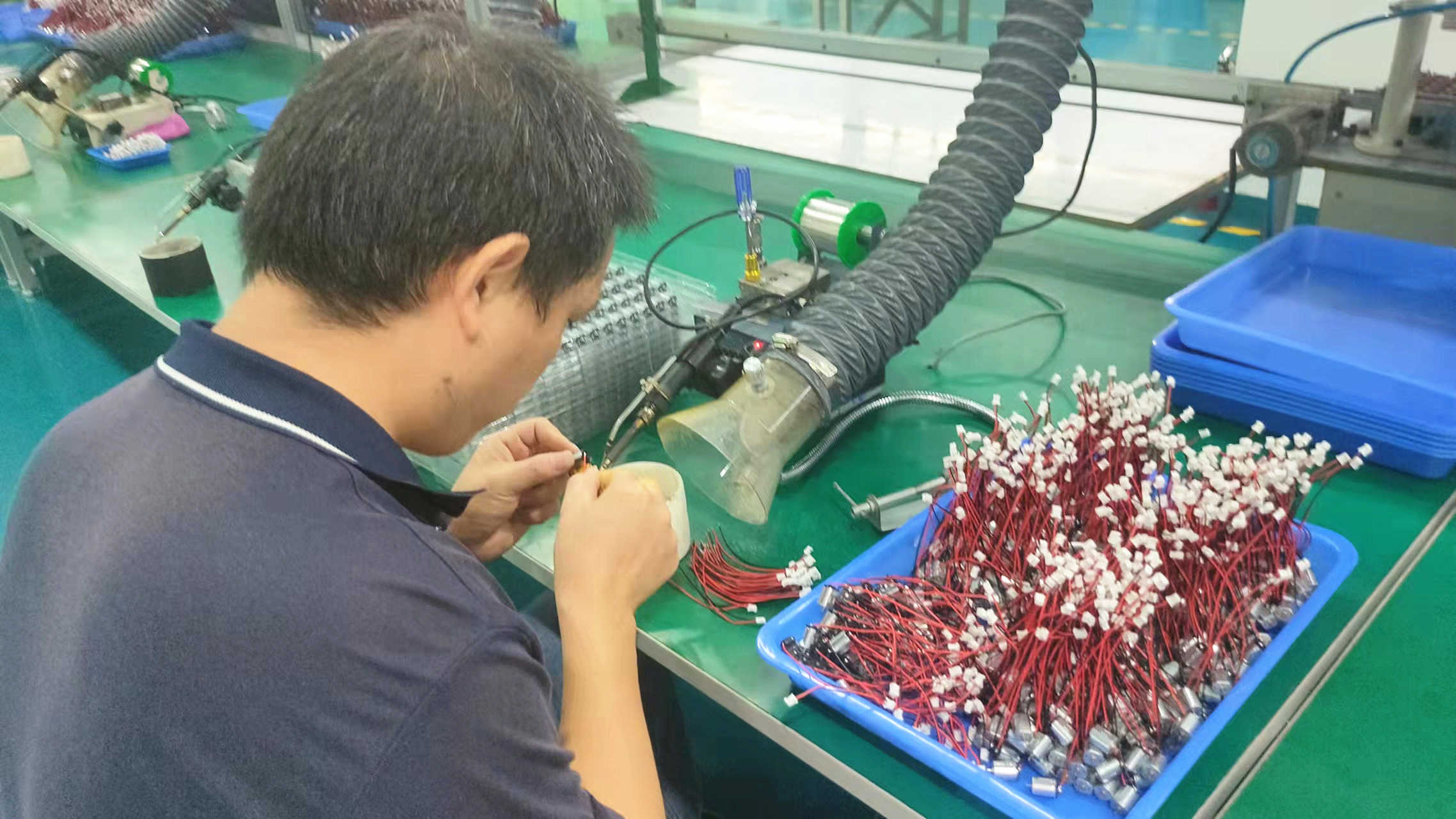 Soldering
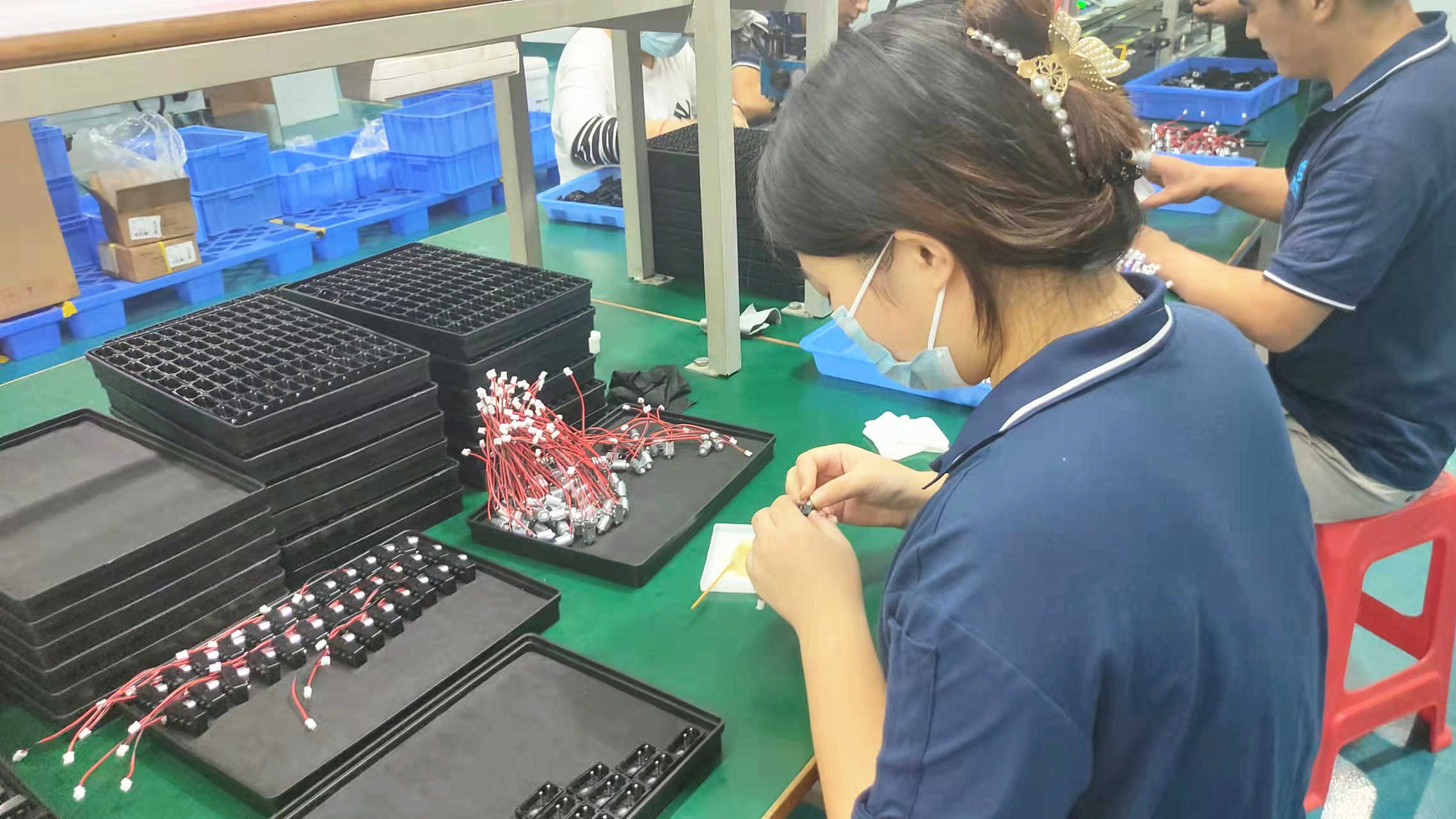 Assembling
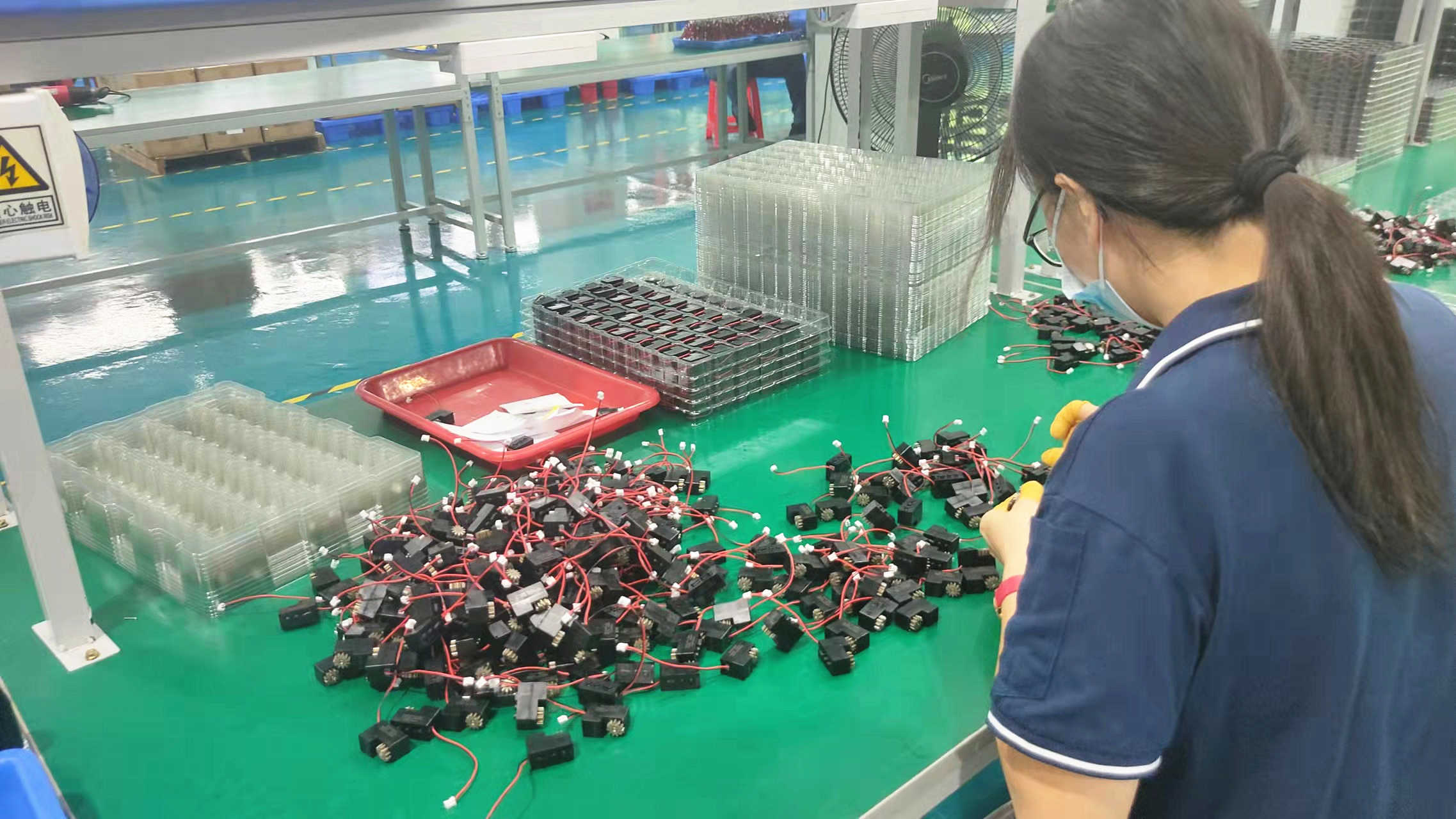 Testing
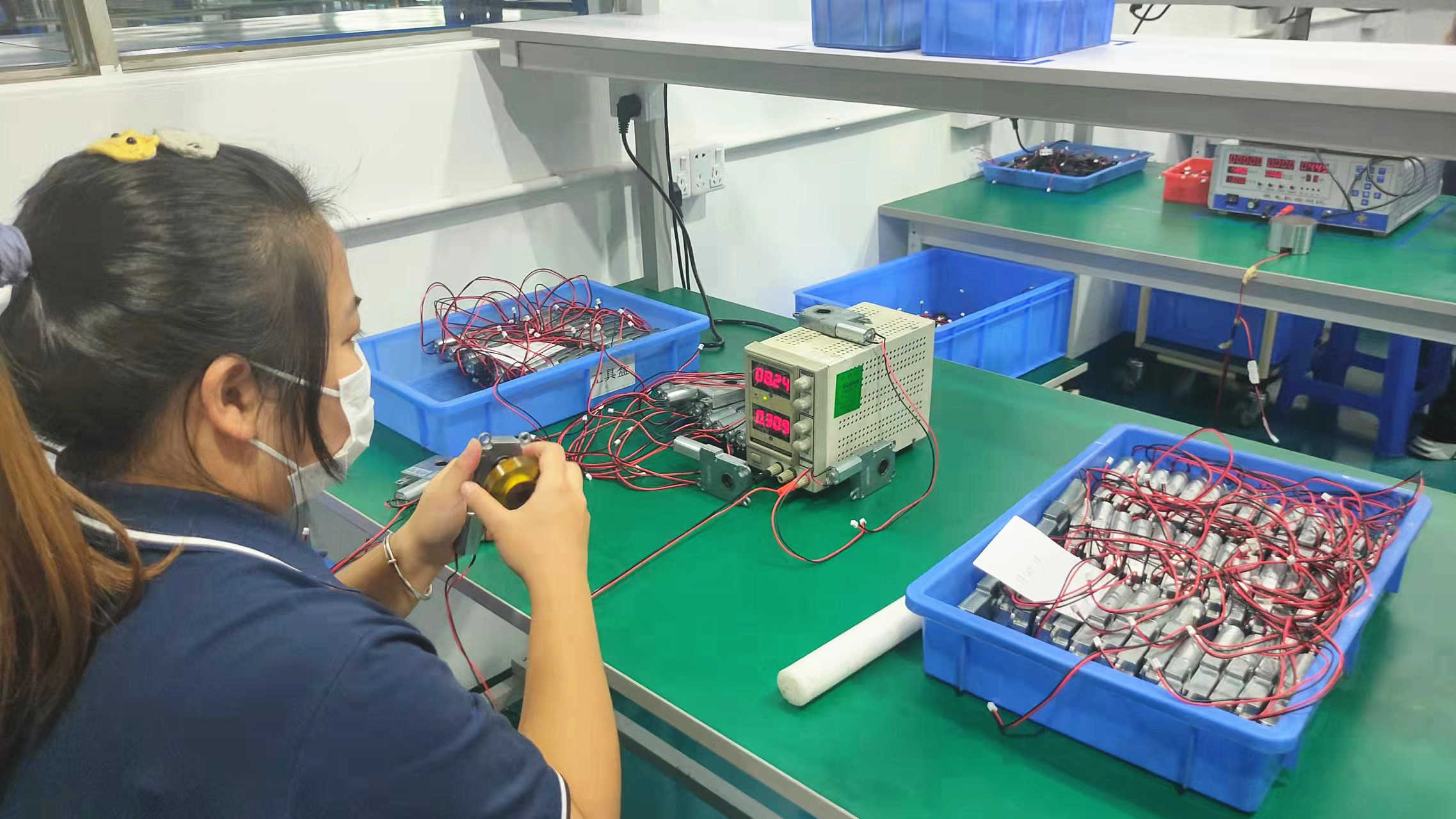 Packing
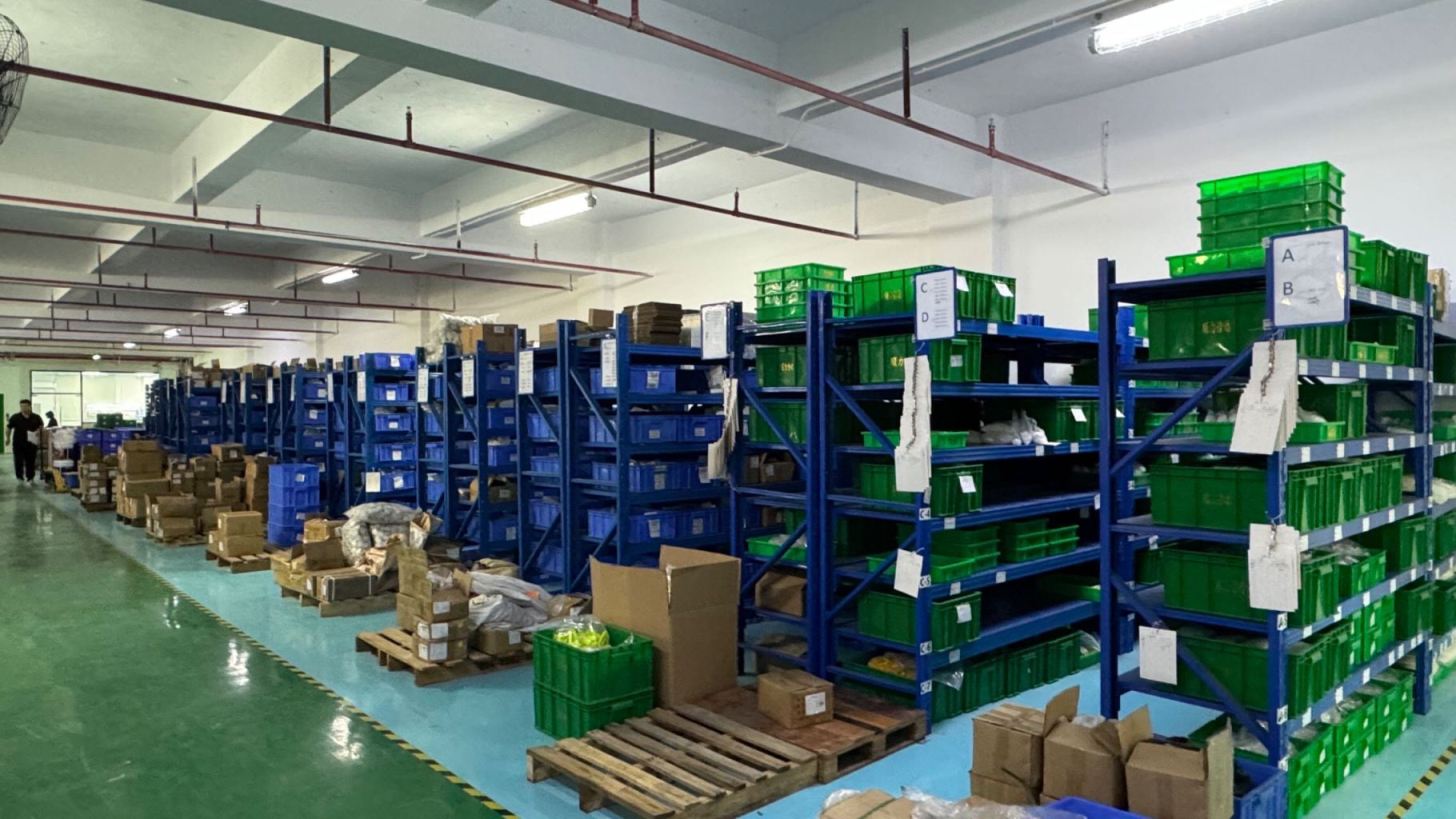 Storage
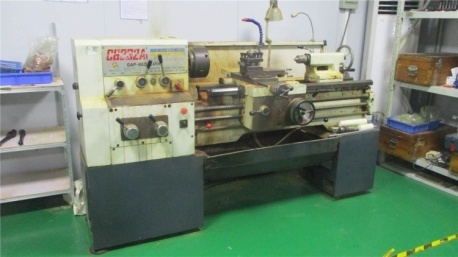
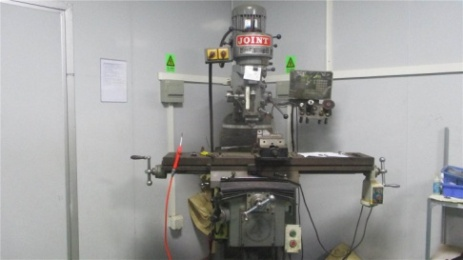
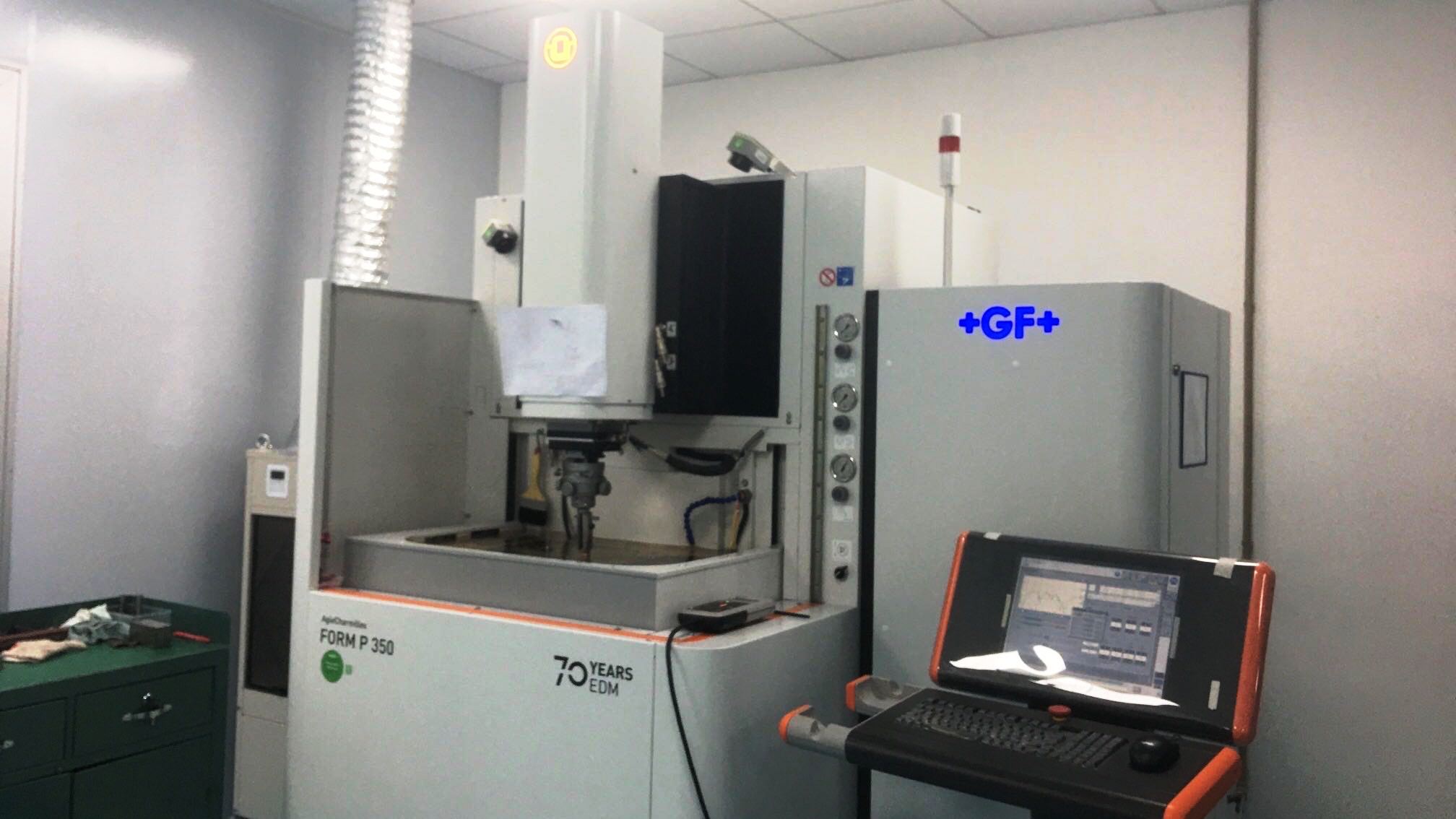
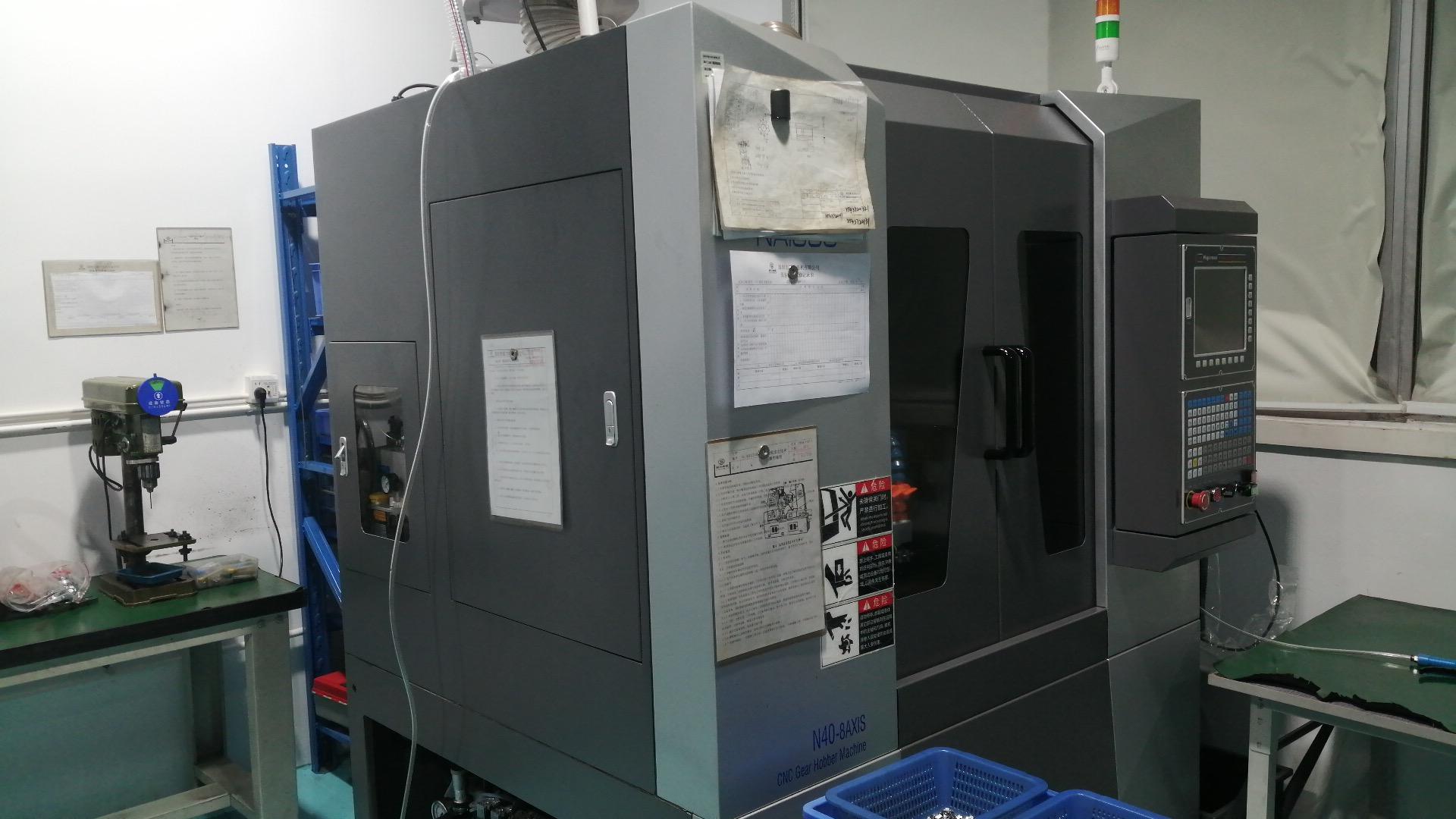
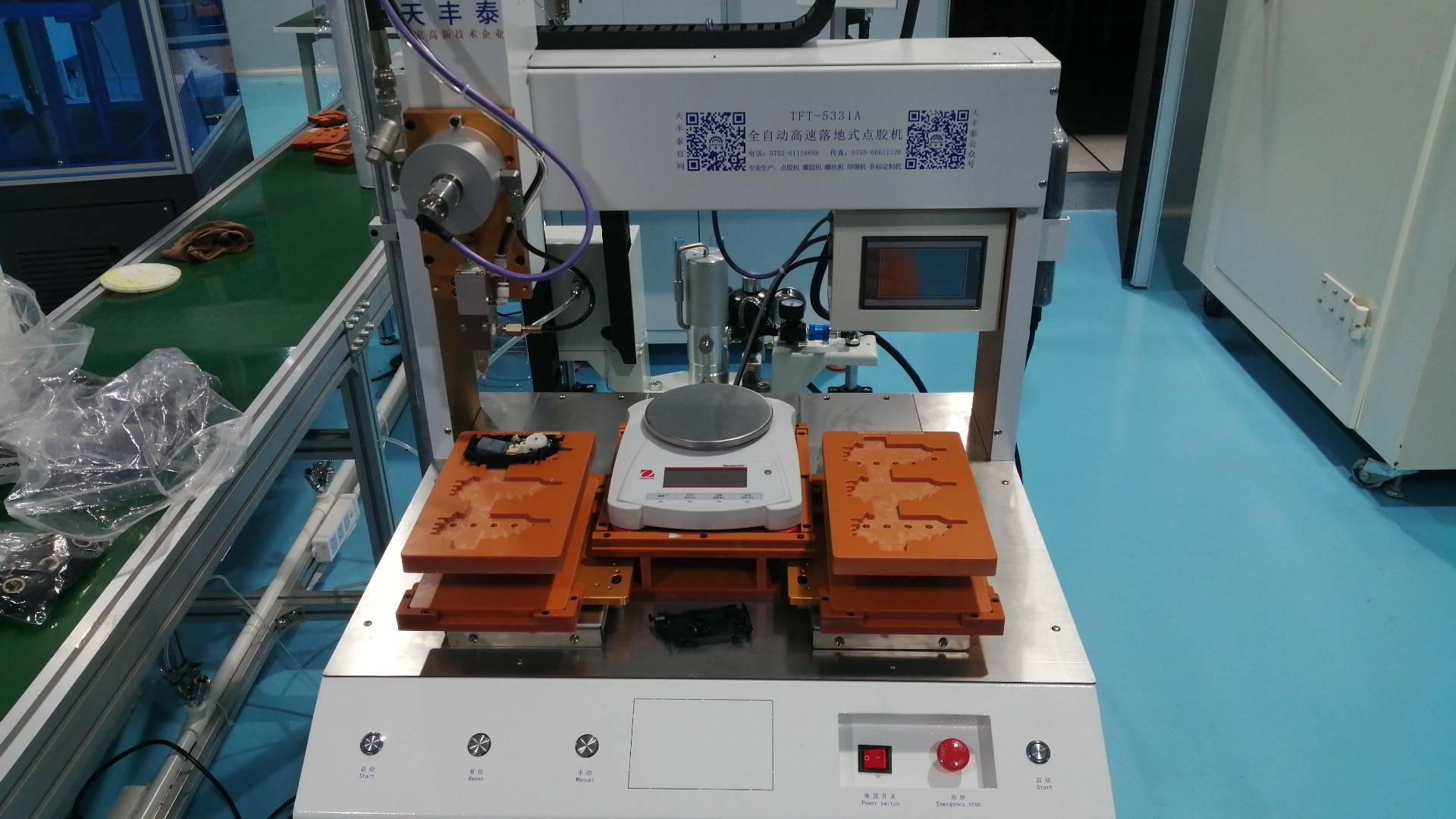
Precision micro-drive production requires high-end tooling. We invest in high-performance equipment to maintain concentricity, tight tolerances, and smooth gear operations:
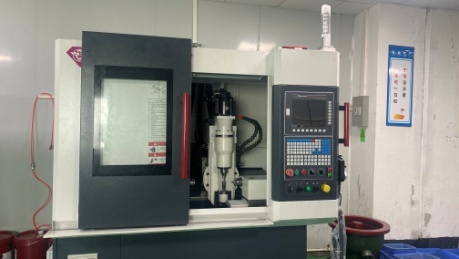
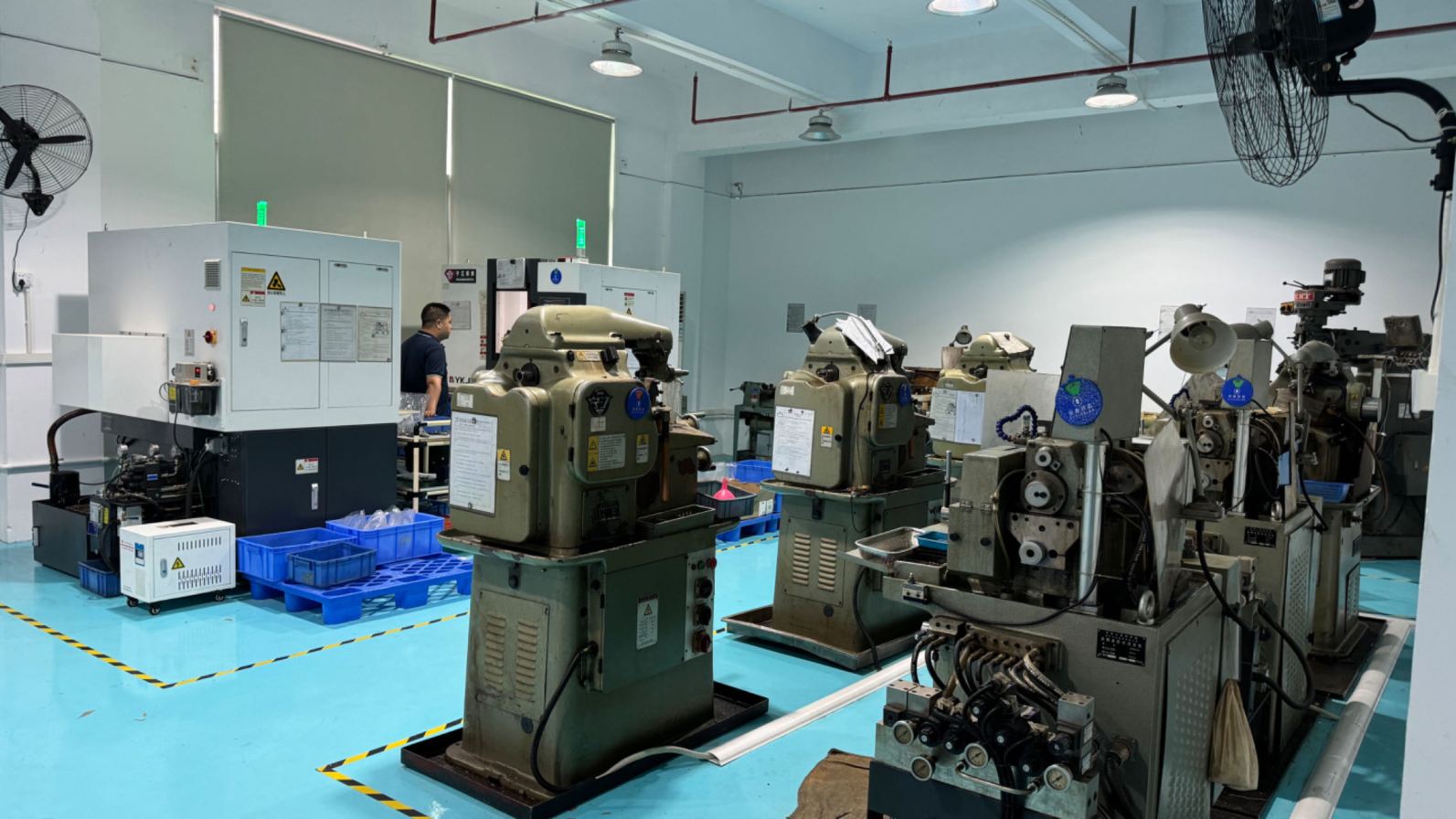
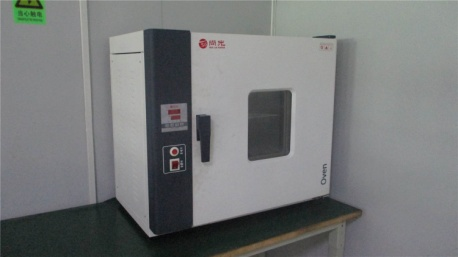
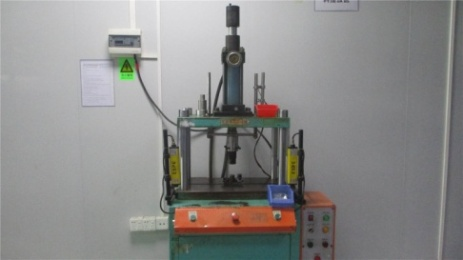
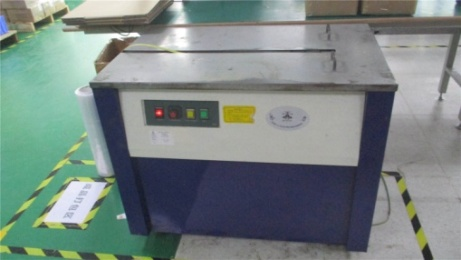
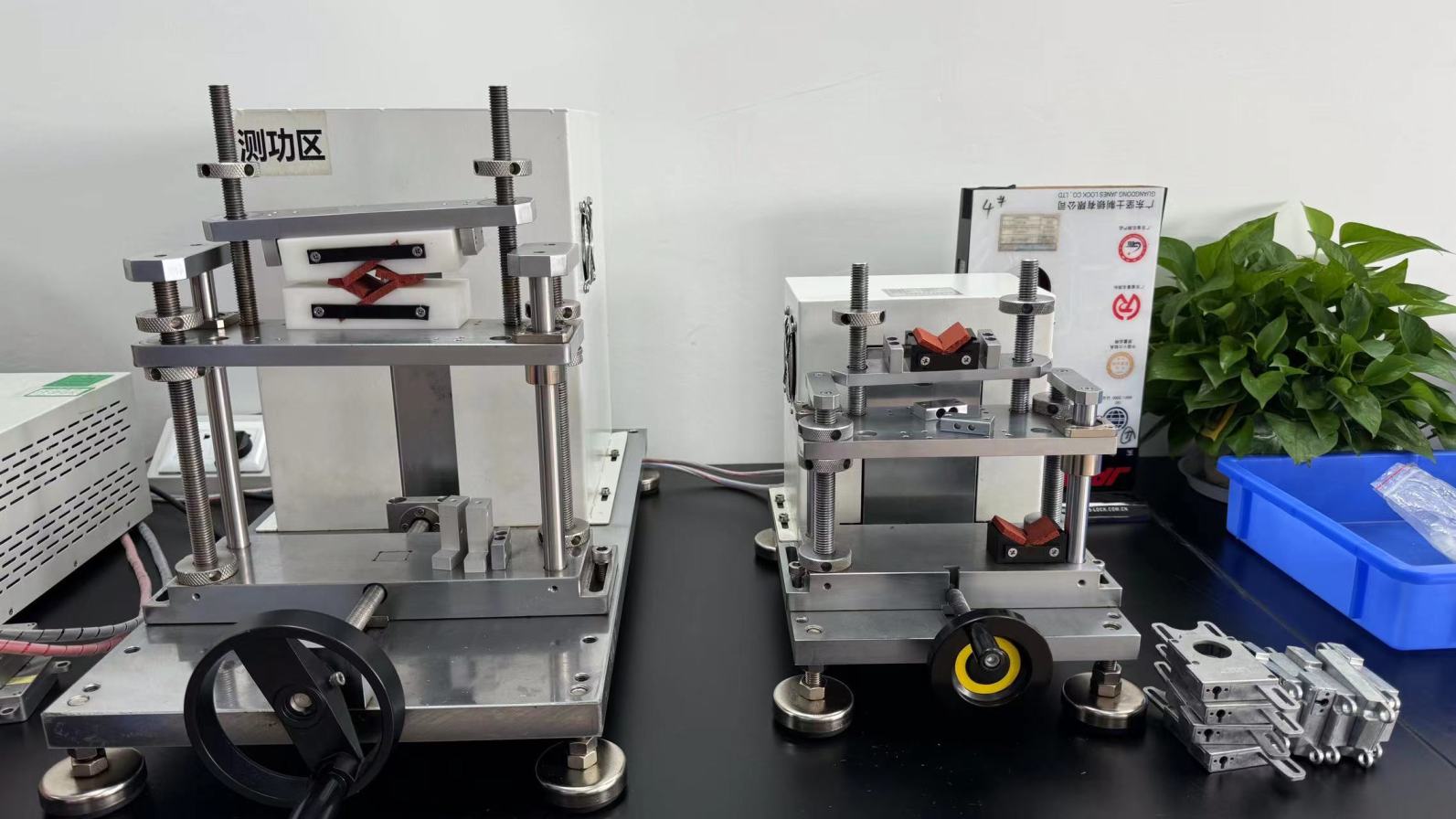
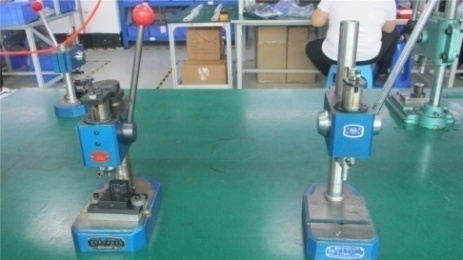
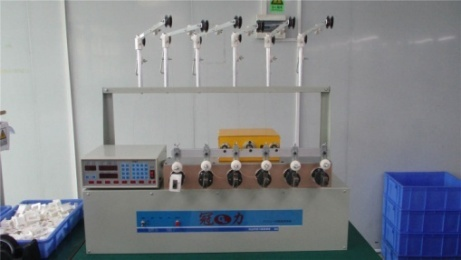
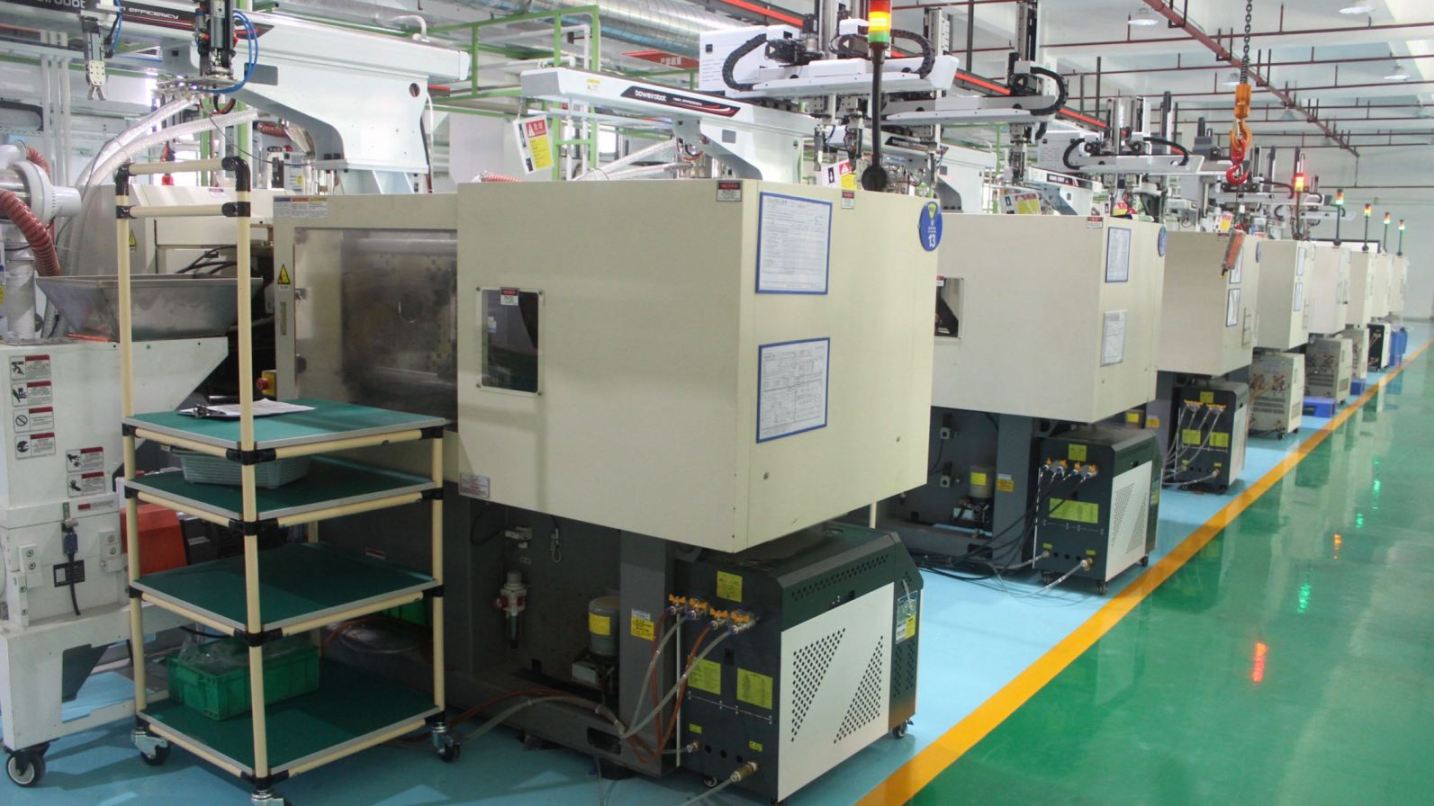
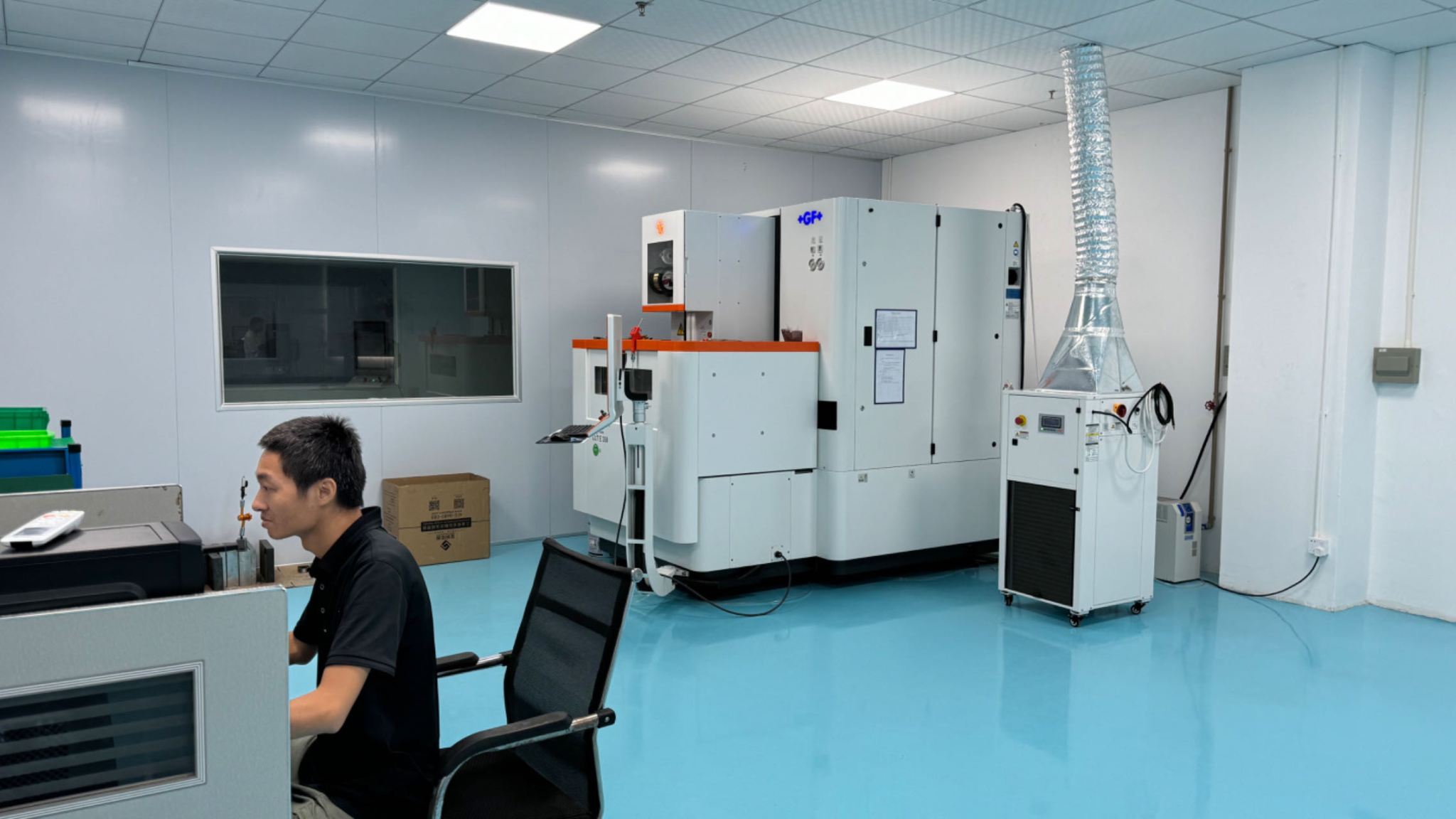
A motor is only as reliable as the testing it undergoes. Our quality control framework covers raw materials, in-process stages, and final packaging. In our specialized quality assurance facility, we subject every motor batch to extensive testing before dispatching to Europe.
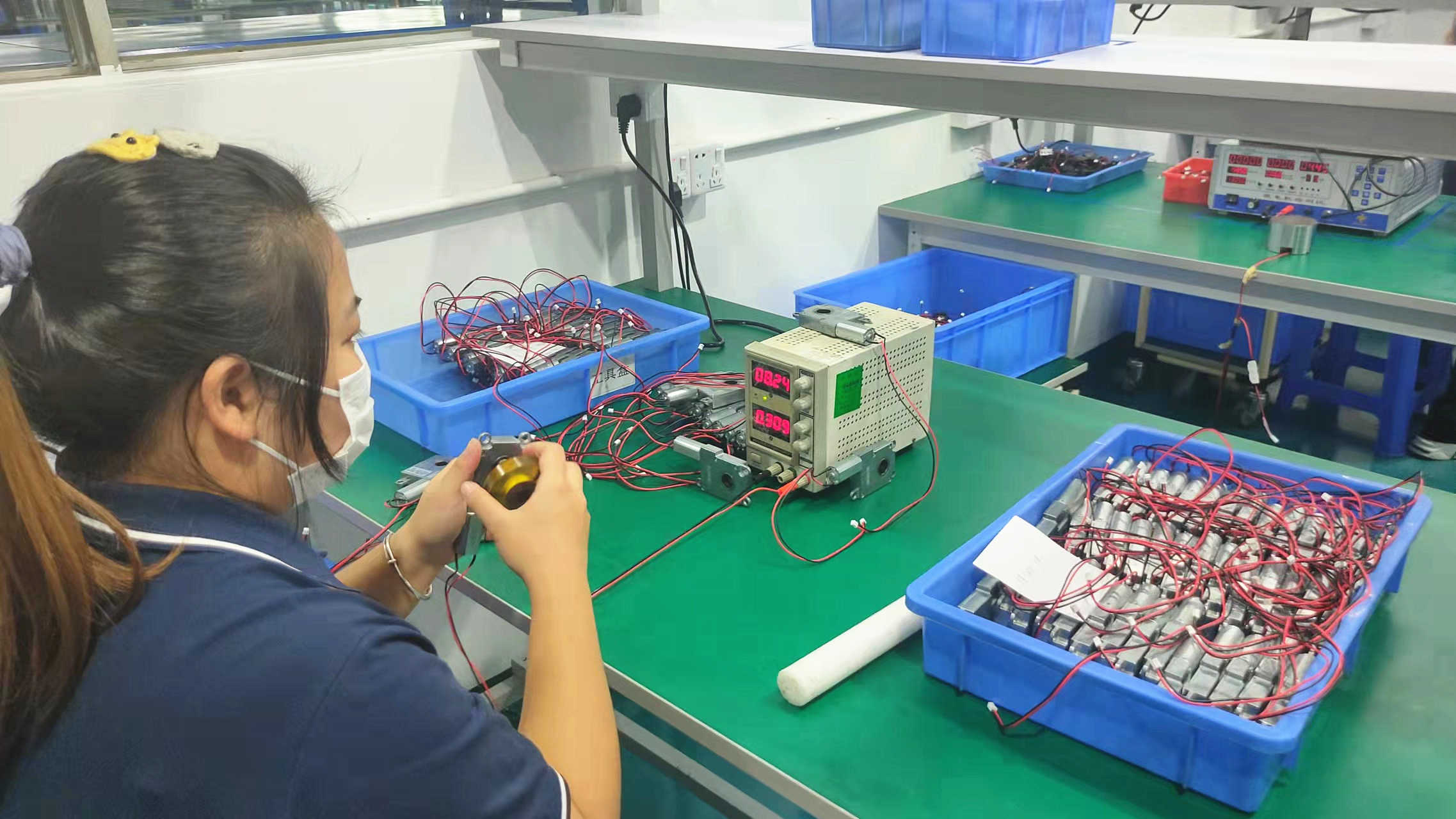
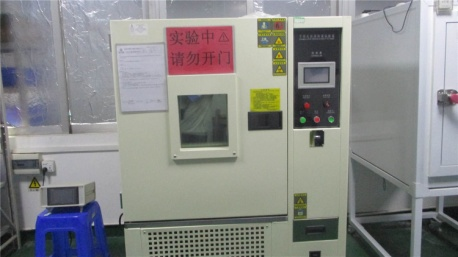
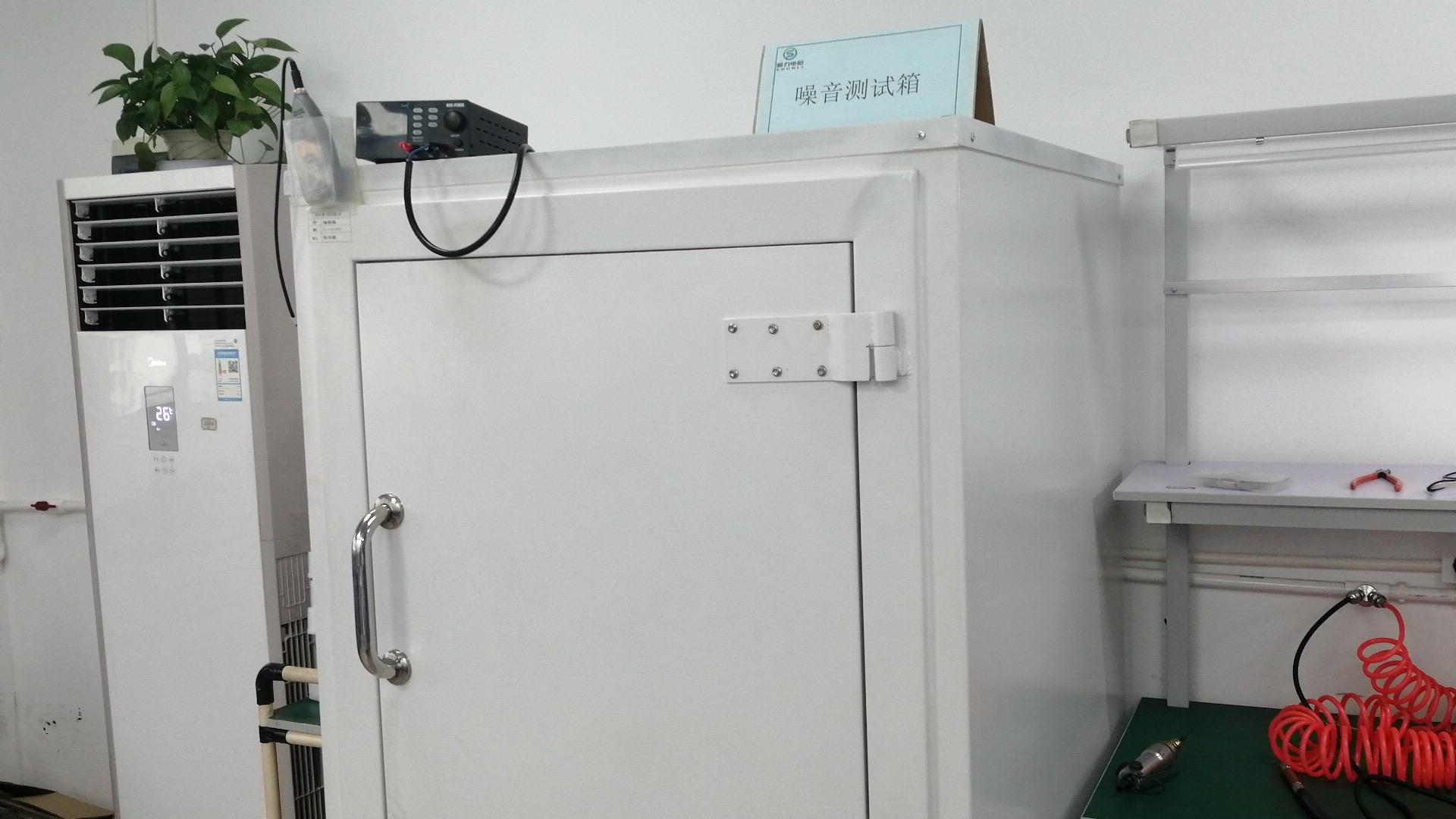
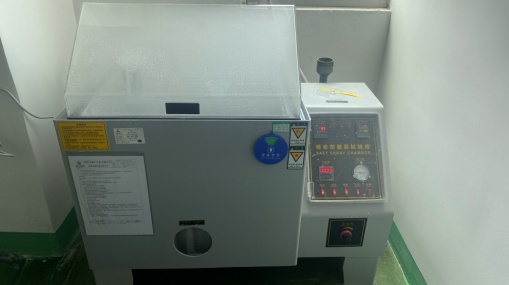
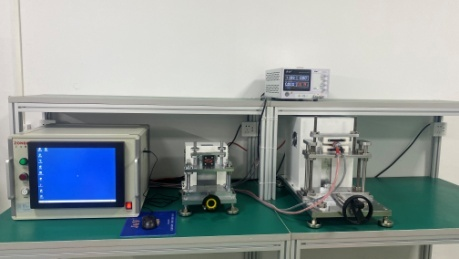
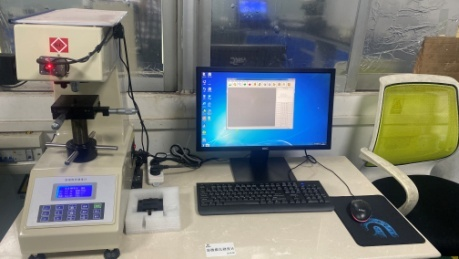
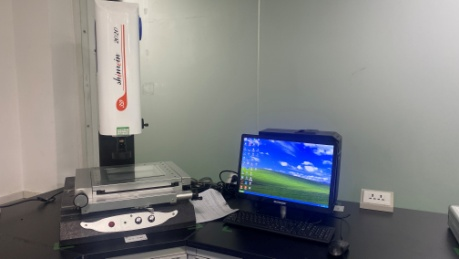
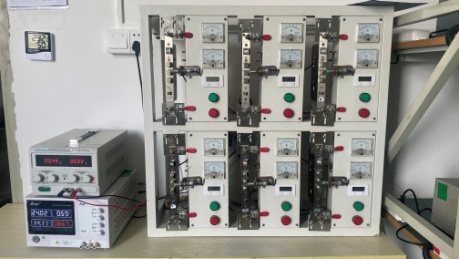
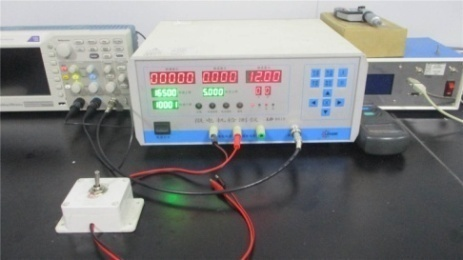
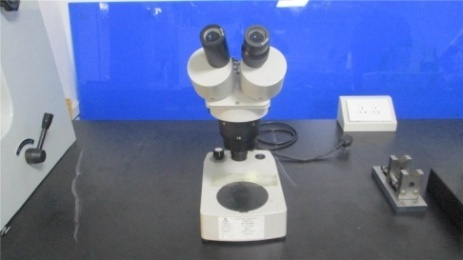
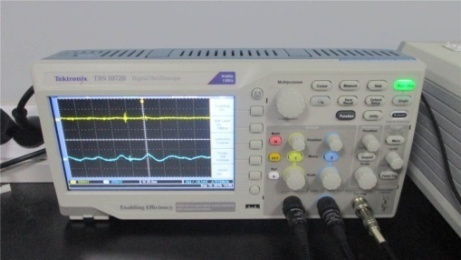
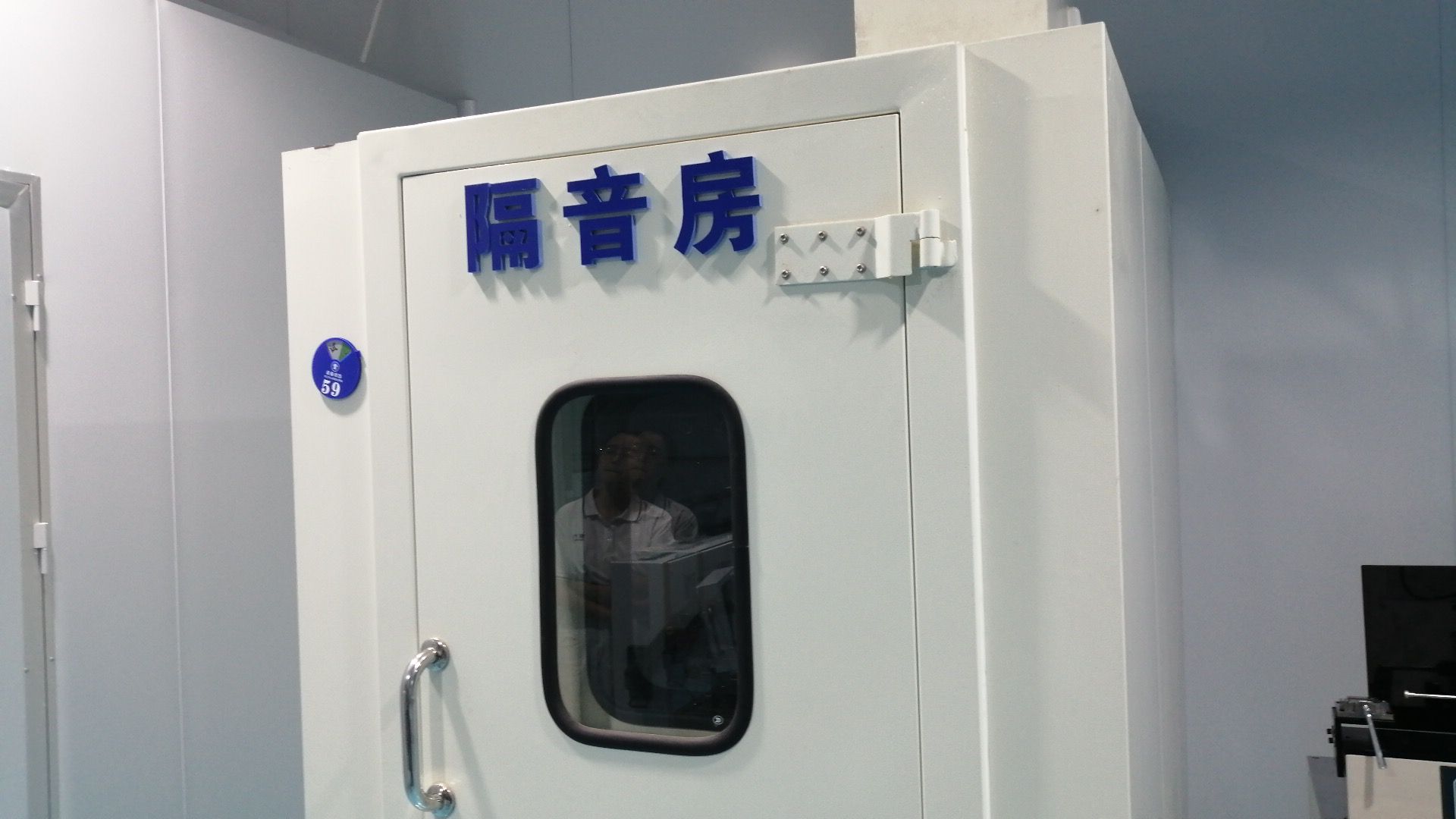
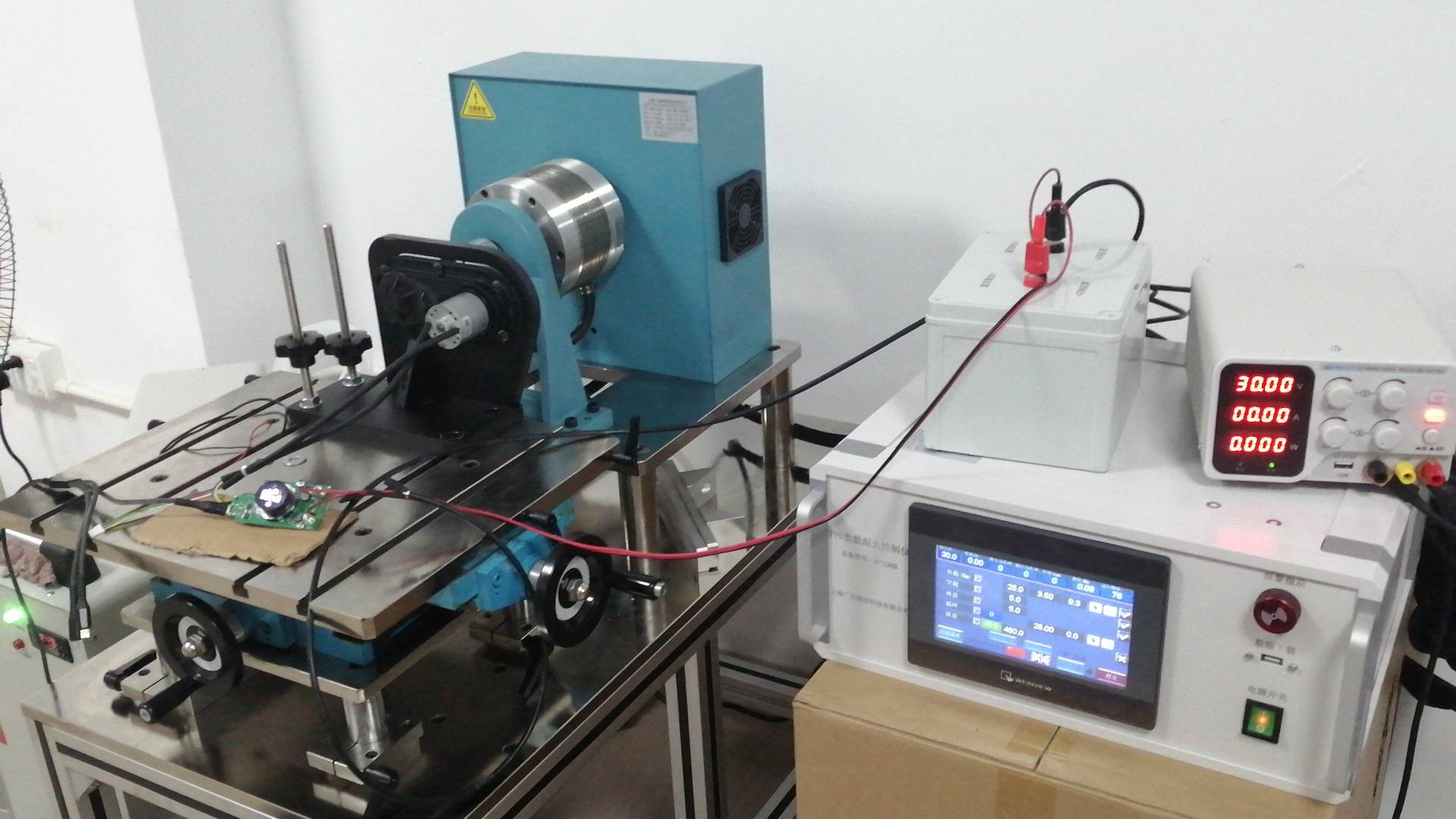
To support design engineering teams during the prototyping stage, our design and validation department utilizes advanced testing chambers to evaluate motor durability before mass production:
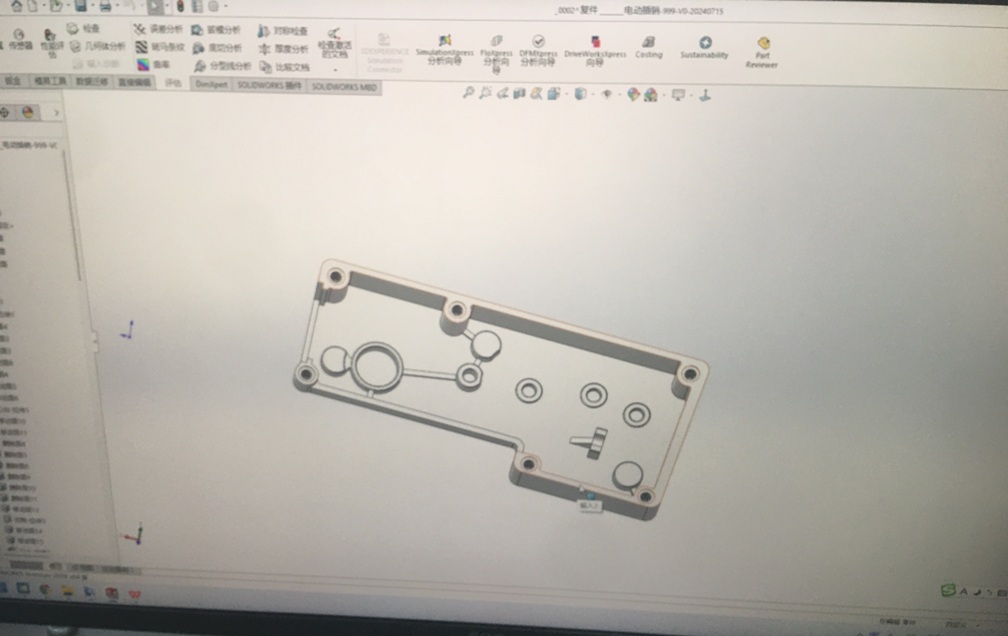
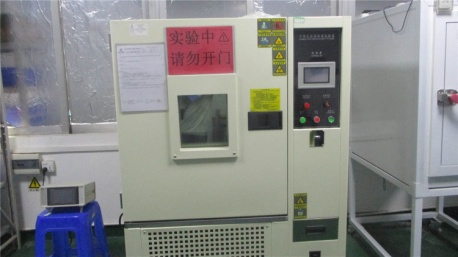
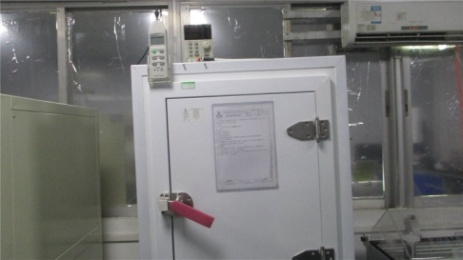
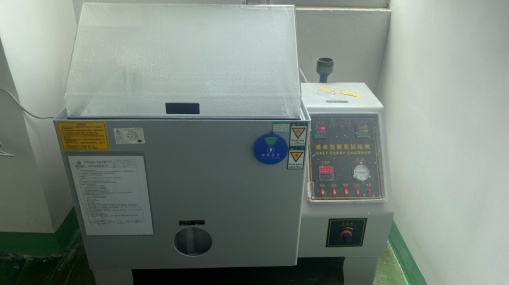
Precision manufactured brushed, brushless, and gear motor units for commercial sourcing

Technical and logistics guidance for procurement teams and design engineers in the EU
Yes, all motor designs exported to the European market, including Paris and France, are fully compliant with RoHS and CE directives. We ensure that lead, cadmium, and other restricted substances remain within regulatory limits. Relevant certification records can be provided during the design qualification process.
We offer extensive custom engineering support. Our engineers can modify shaft configurations (D-shape, splines, threads), gear ratios, winding specifications, and connection terminals. While we specialize in high-volume production, we support design verification phases with rapid prototyping runs.
Our R&D team can integrate varistors, capacitors, or choke coils directly into the motor housing. For demanding applications, such as medical systems or wireless communication equipment, we run design iterations in our internal testing labs to meet the EN 55014 emission standards.
For standard motor designs, tool preparation and initial manufacturing takes 15 to 21 days. Custom configurations require 30 to 45 days, depending on mechanical complexity. Logistics options to France include express air courier (5–7 days) or sea freight via major European port gateways (30–35 days).
We utilize dynamic rotor balancing systems, precision-ground gear profiles, and self-lubricating sintered bearings. Every production batch is checked in our soundproof test rooms to ensure noise levels remain within specified limits (often below 35dB at 30cm distances for medical and home automation projects).
 WICCA Motor