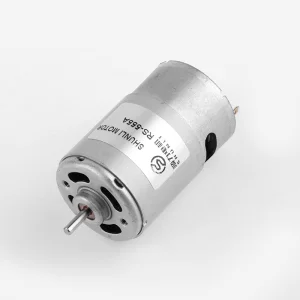
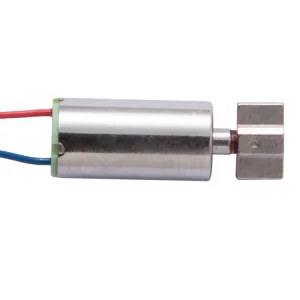
Direct supply paths to high-velocity DC drives, gearboxes, and shaded pole architectures optimized for commercial automation.
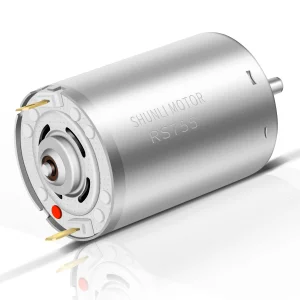
Analytical breakdown of global micro vibration motor dynamics, key manufacturing standards, and core technical requirements.
Open up a premium smart door lock, a high-end medical pump, a robotic cleaner, or an automotive electronic seat—and you’ll likely find the silent, reliable pulse of a high-performance micro DC motor. WICCA Motor (Shunli) and other global leaders don’t just build hardware; they power the user experiences that define modern brands.
In B2B industrial sourcing, a micro DC vibration motor (whether an Eccentric Rotating Mass - ERM, or a Linear Resonant Actuator - LRA) is the vital element that drives mechanical haptic feedback, automated switching, and subtle tactile warnings. Operating with ultra-low noise, high energy efficiency, and a ultra-compact footprint, these drives allow product designers to push the absolute limits of mechanical and industrial design. When your product’s global reputation relies on flawless, repeated physical motion, choosing the right manufacturer is a make-or-break decision.
To establish a solid technical benchmark, procurement teams must evaluate the two dominant engineering topologies used in micro vibration systems:
| Technical Parameter | Eccentric Rotating Mass (ERM) | Linear Resonant Actuator (LRA) |
|---|---|---|
| Drive Mechanism | DC brush/brushless motor with an offset eccentric weight. | Internal voice coil driving a suspended mass against a spring. |
| Vibration Axis | Omnidirectional / Radial (orthogonal to the motor shaft). | Unidirectional (linear movement, typically Z-axis). |
| Response Latency | 50ms to 120ms (limited by mechanical inertia of the weight). | Under 10ms to 30ms (rapid rise and fall times). |
| Frequency Versatility | Frequency and amplitude are coupled with voltage input. | Operates at a fixed resonant frequency (e.g., 170Hz - 235Hz). |
| Typical Applications | Industrial alerts, medical tools, toys, basic haptic feedback. | Smartphones, VR controllers, precision automotive consoles. |
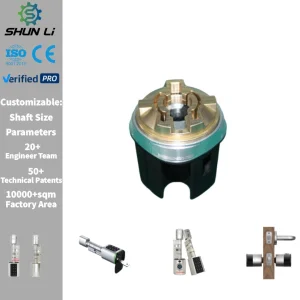
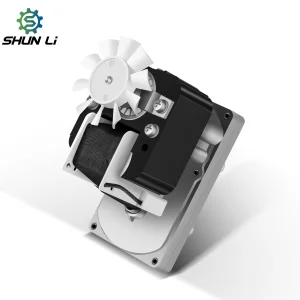
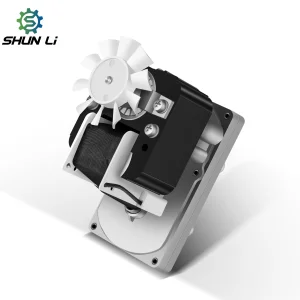
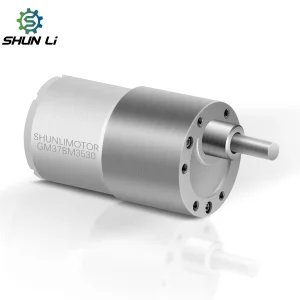
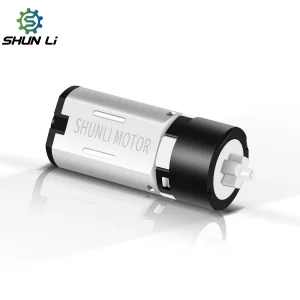
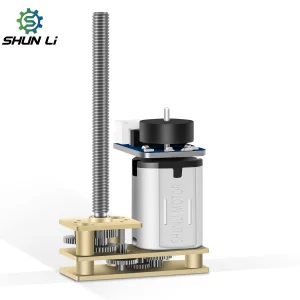
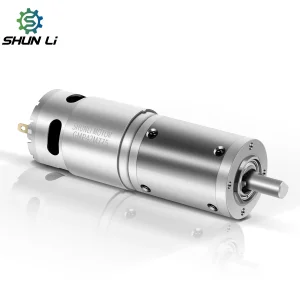
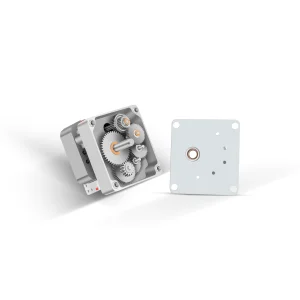
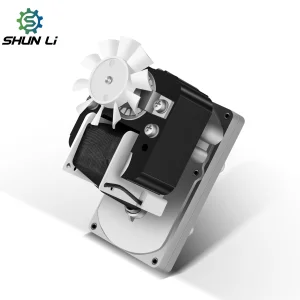
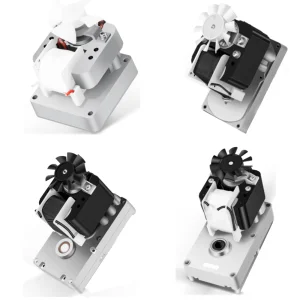
The pictures below showcase the core design parameters and custom configurations engineered by WICCA Motor. These modules illustrate our capabilities in producing high-reliability DC micro drives, gear trains, and custom-weighted vibration assemblies:

A rigorous evaluation of global market share leaders, specialized OEM/ODM entities, and primary exporters.
The global leader in brushless motors. Nidec dominates high-volume automotive and smart-device tactile motors, offering industry-defining LRAs and micro-vibration solutions.
A major supplier of haptic engines for the consumer electronics and smartphone sectors. AAC specializes in high-fidelity, fast-response LRAs for complex user interfaces.
One of China's largest producers of micro vibration motors, producing over 300 million units annually. They are a core exporter to major global mobile brands.
A premier micro-motor manufacturer specializing in custom gearboxes, coreless DC motors, and high-performance vibration assemblies with deep OEM/ODM integration capabilities.
An engineering-led supplier known for high reliability. They specialize in sourcing, verifying, and distributing vibration systems for medical and industrial applications.
Provides complete ranges of ERM, coin, and linear motors, backed by global technical sales offices and scale production lines in China.
Specializes in linear resonant actuators and coin-type vibration motors. A major provider of highly automated packaging and assembly solutions.
A global leader in electric motors and motion subsystems. Johnson Electric offers high-durability vibration motors tailored for automotive and medical controls.
Pioneering Japanese companies offering ultra-reliable mechanical designs. Their micro-bearings and precision magnetic circuits represent the highest end of precision vibration systems for aerospace, defense, and high-spec industrial instrumentation.
Analyzing the specialized supply chain, micro-machining ecosystems, and systematic process flows of Chinese micro-motor hubs.
China's Yangtze River Delta and Pearl River Delta regions represent the world's most concentrated micro-motor manufacturing cluster. By combining vertical supply chains with highly specialized raw materials (such as rare-earth NdFeB permanent magnets), local manufacturers deliver unmatched price-to-performance ratios. More importantly, Chinese exporters have transitioned from high-volume assembly to advanced automation and automated quality control.
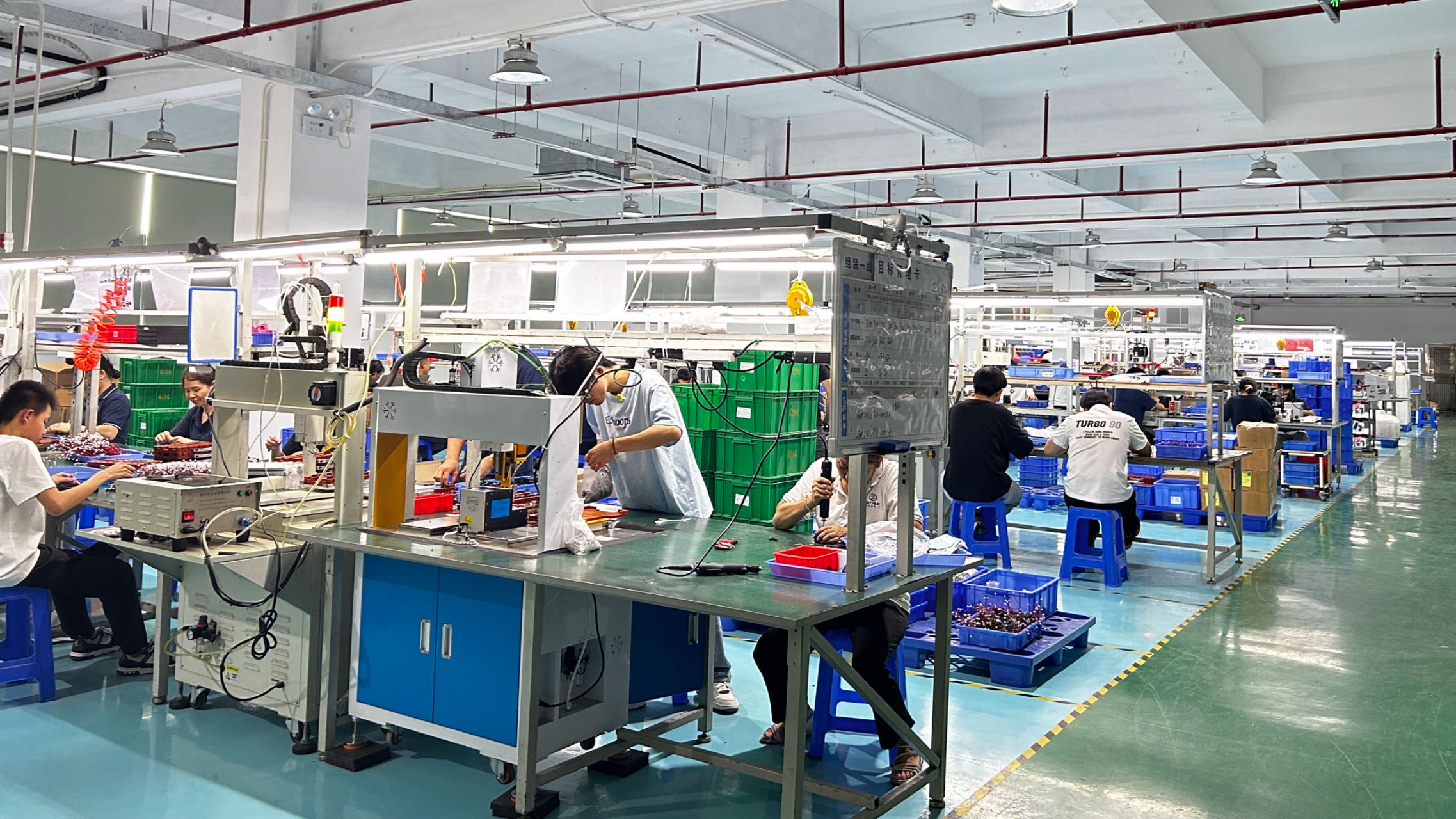
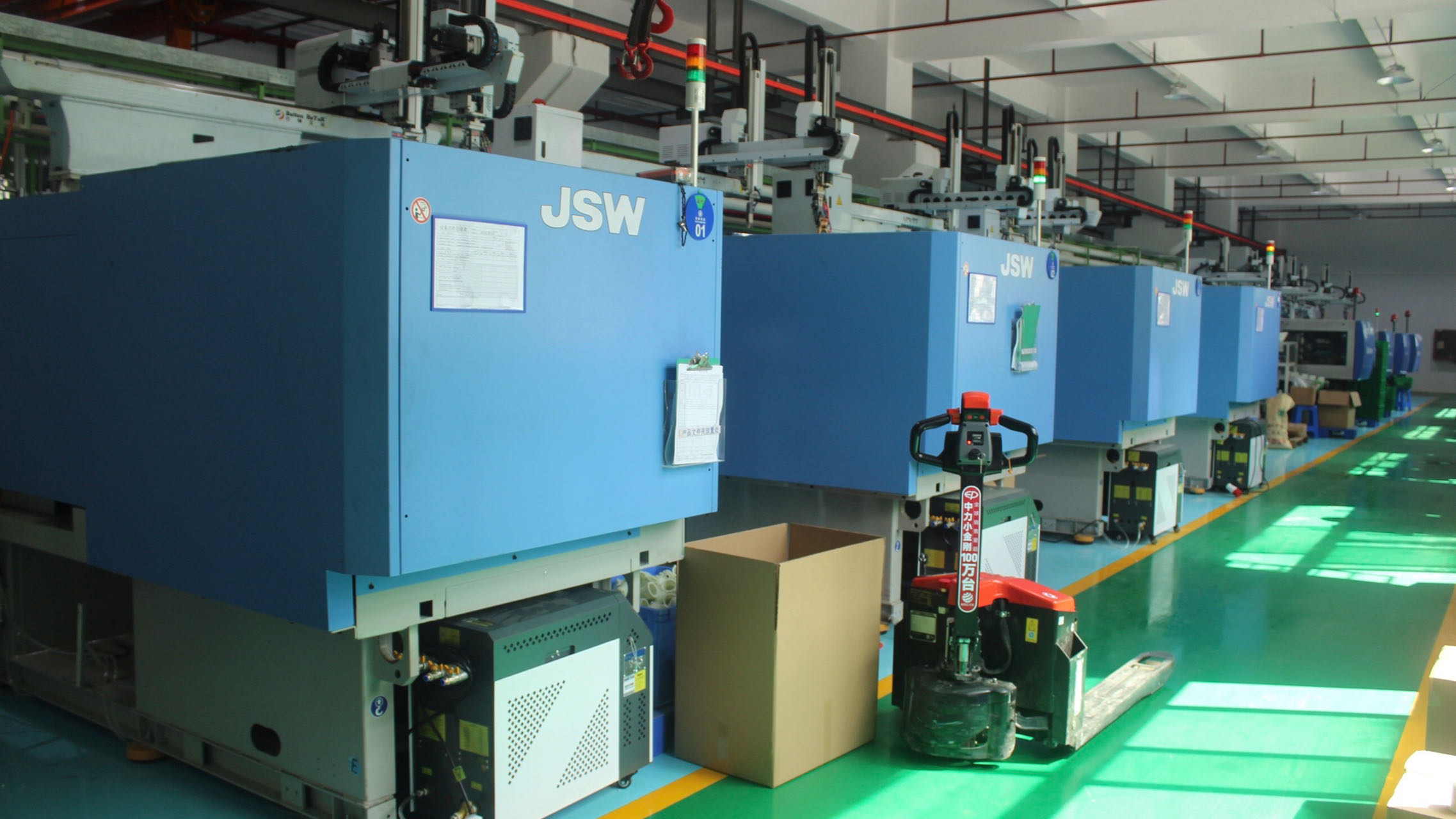
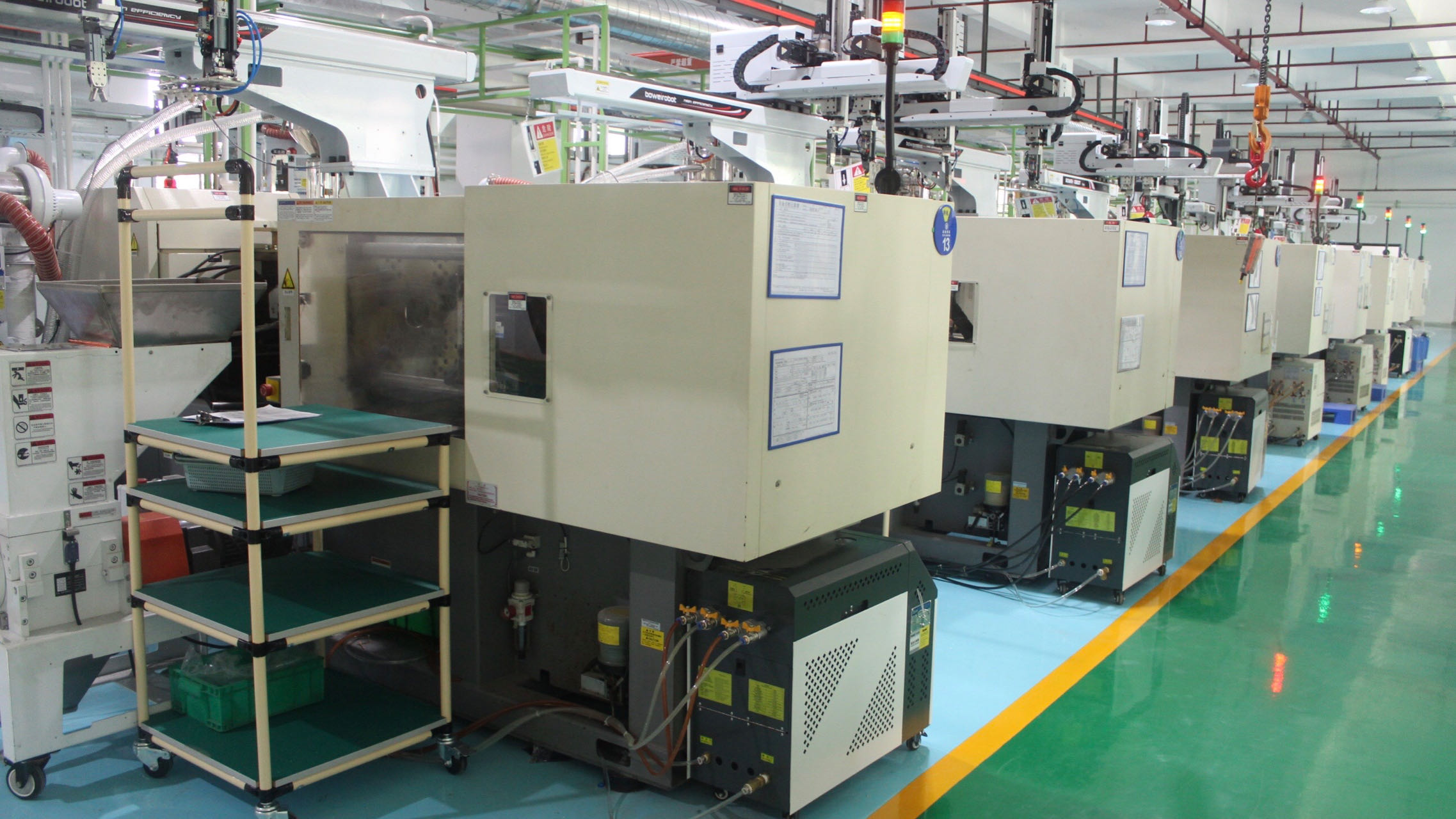
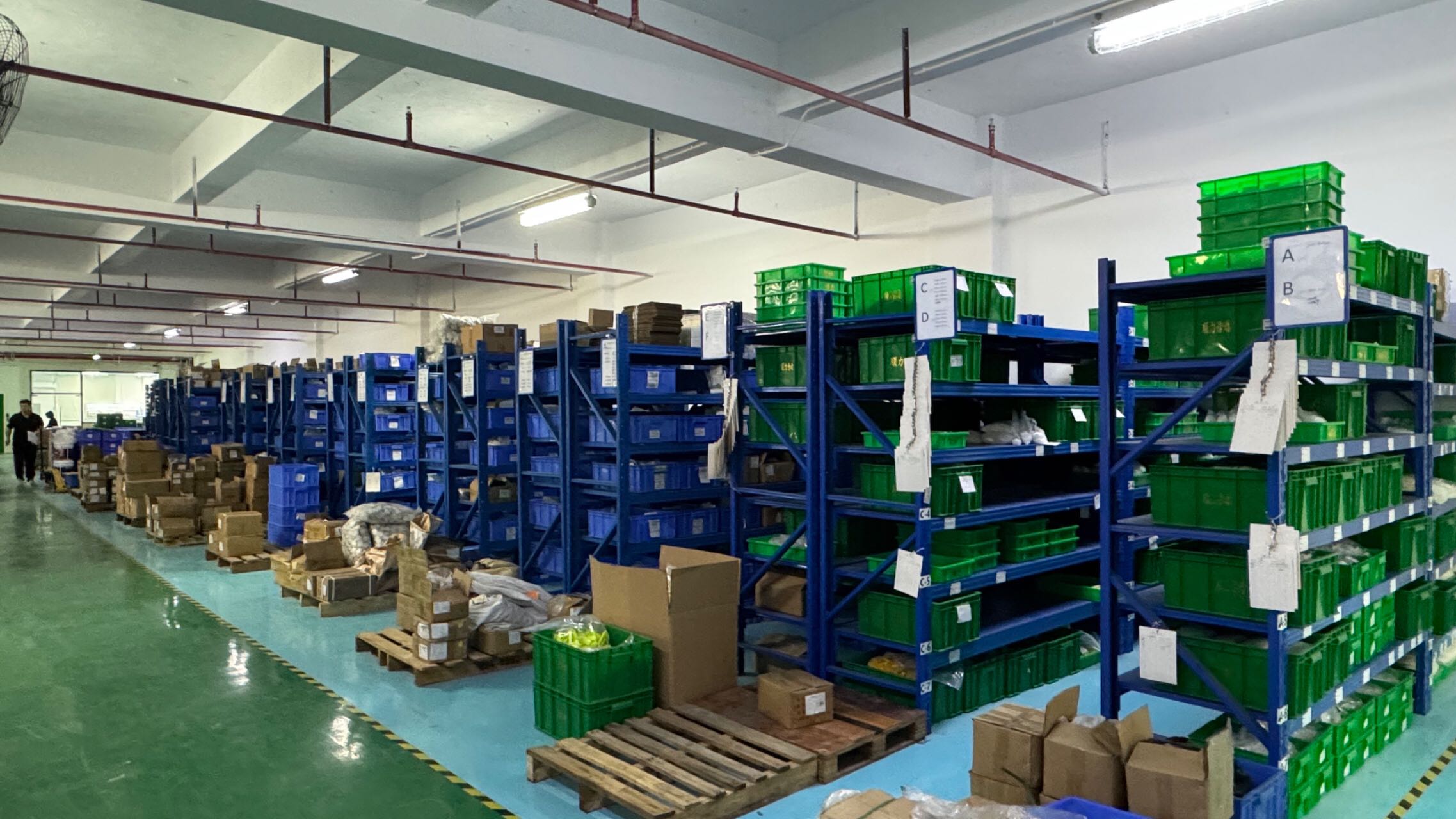
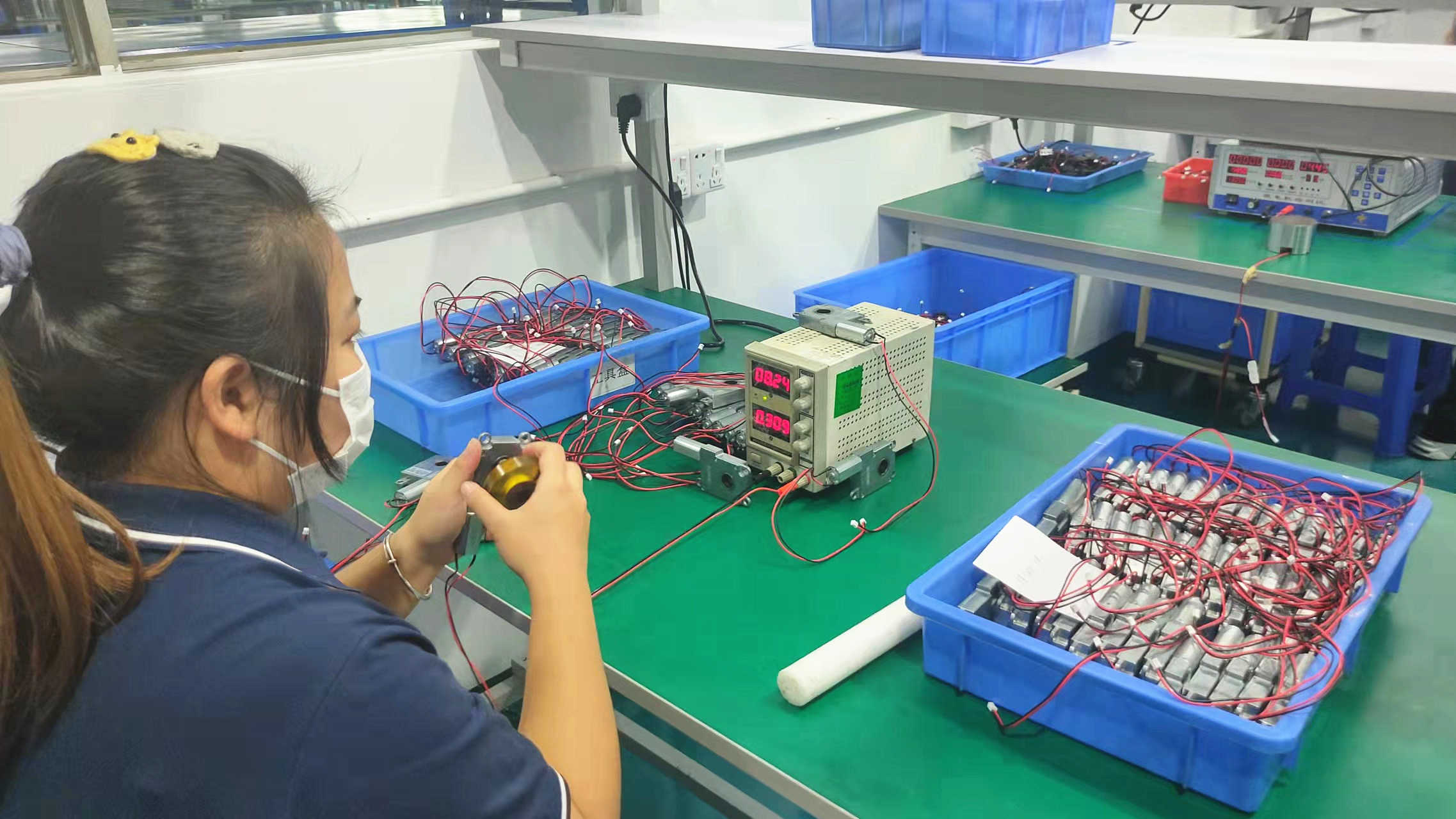
The manufacturing process at WICCA Motor follows strict quality assurance workflows, ensuring every motor shipped meets tight electrical and mechanical tolerances:

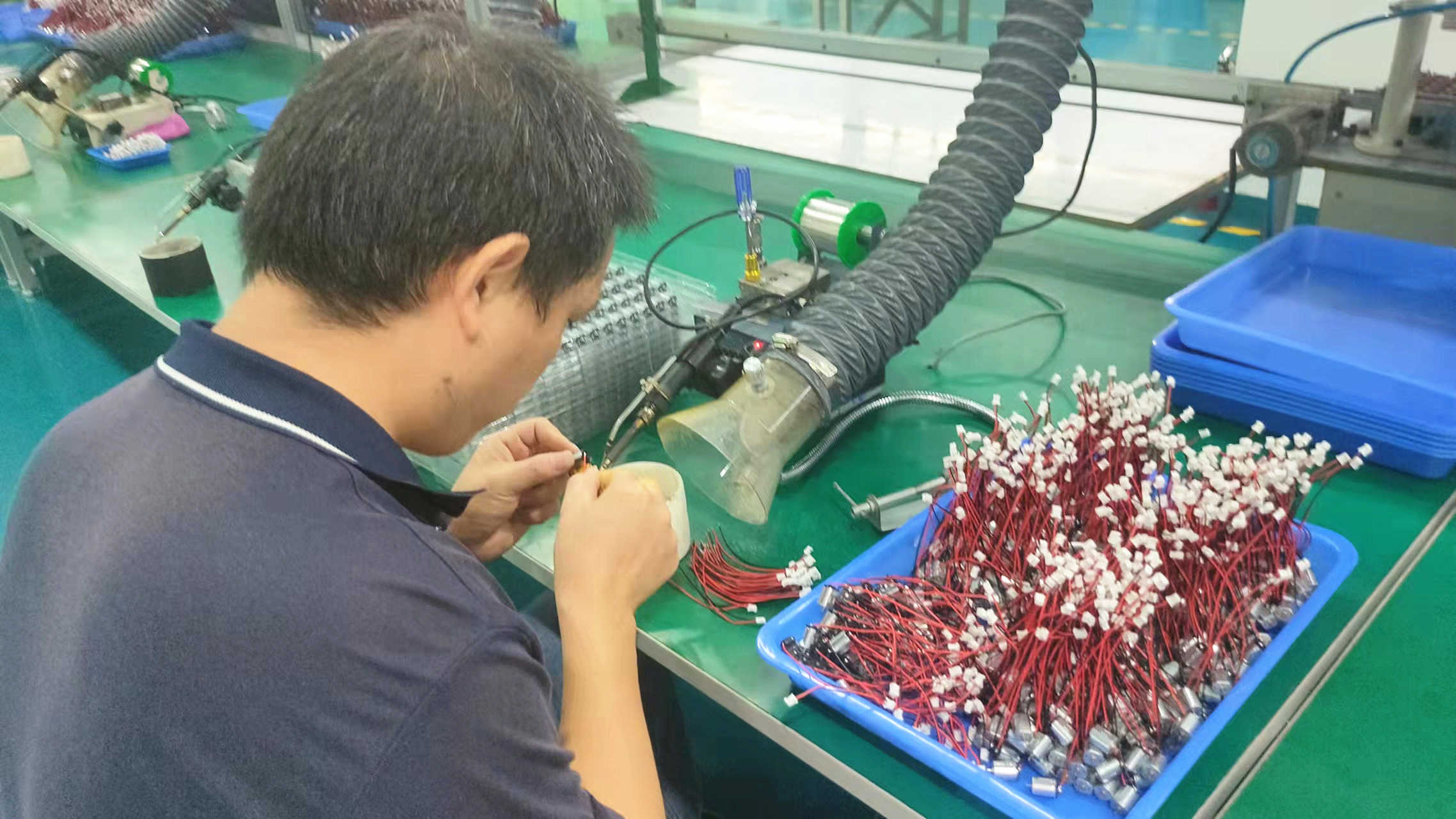
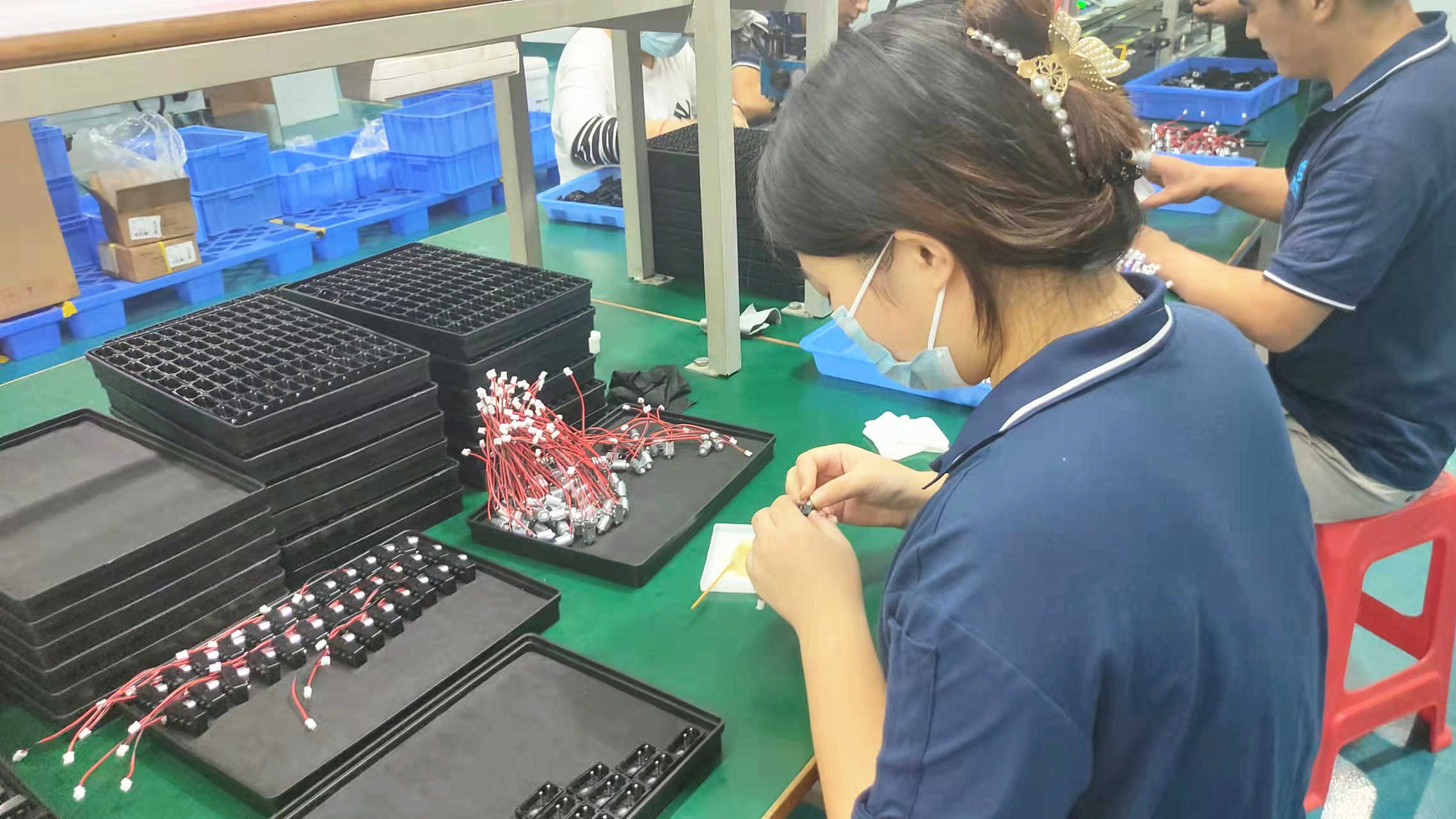
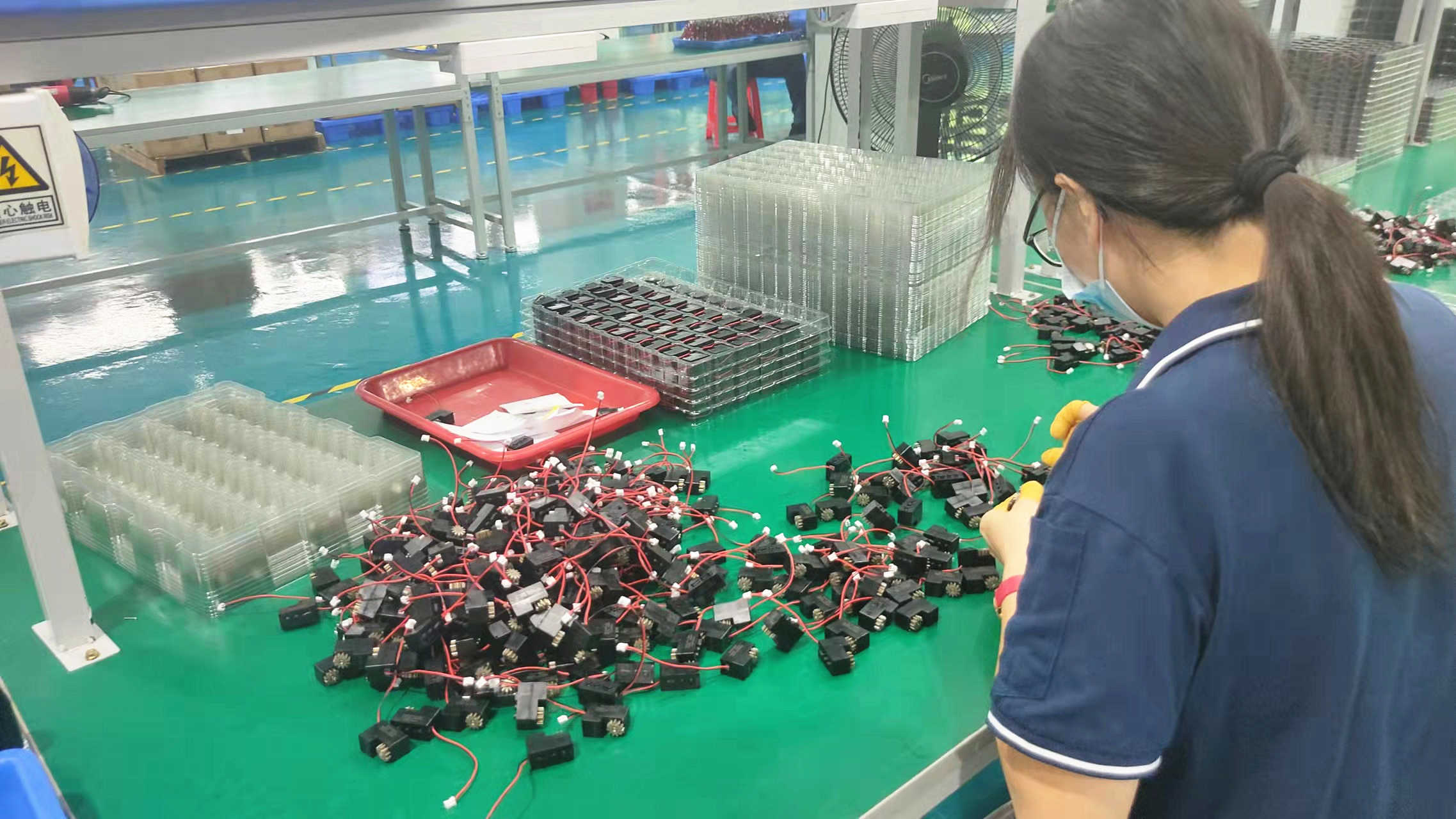
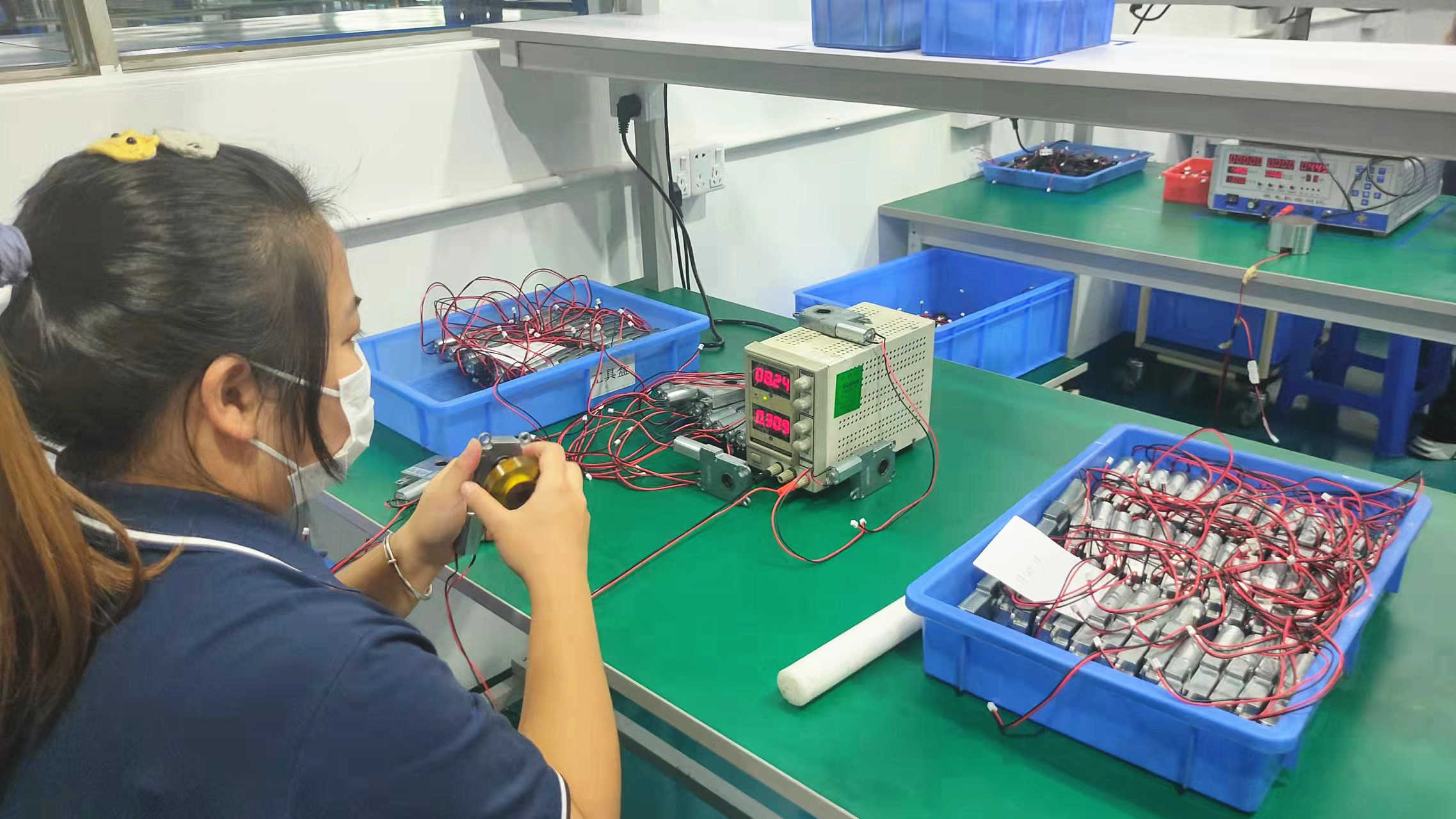
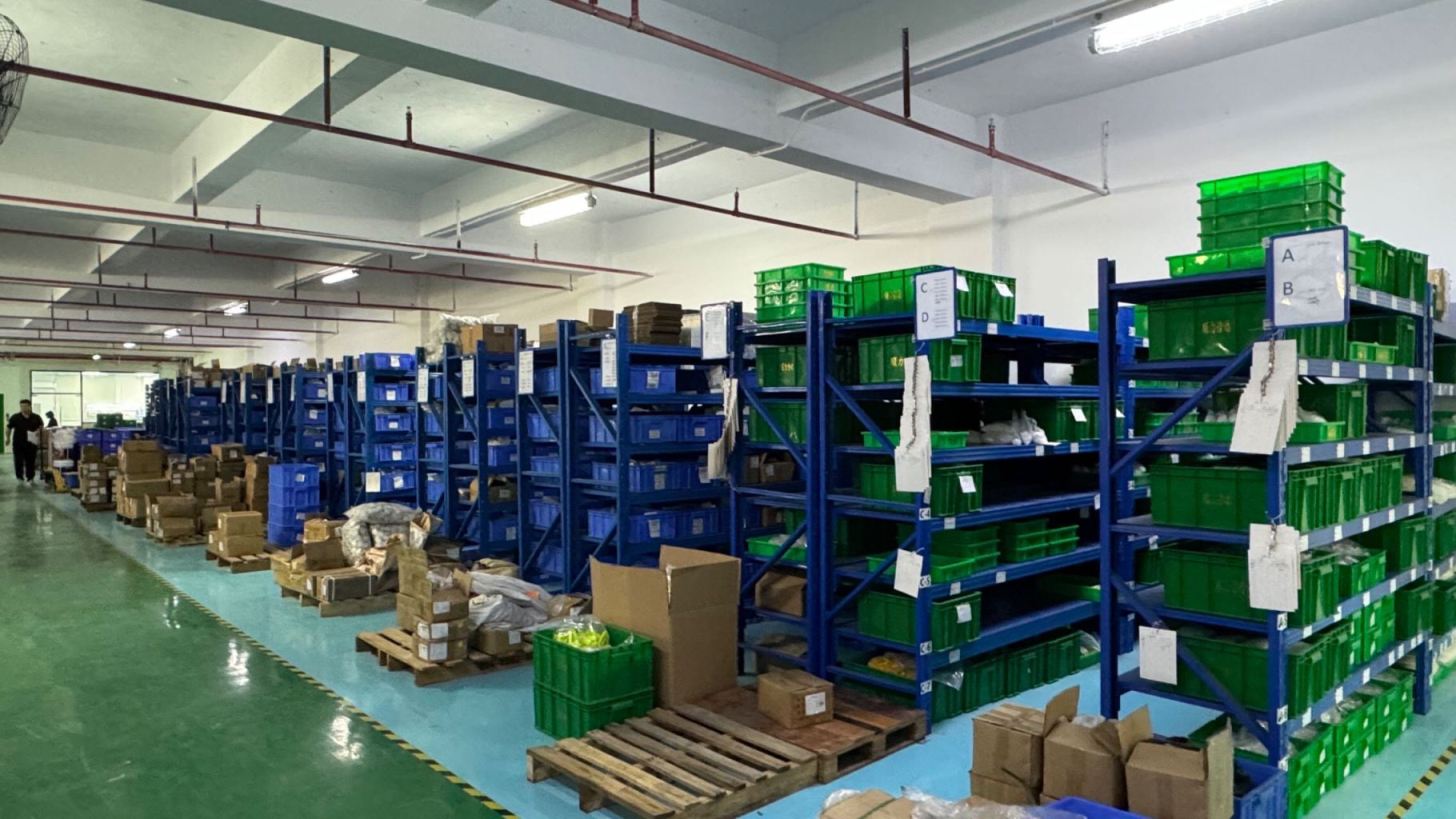
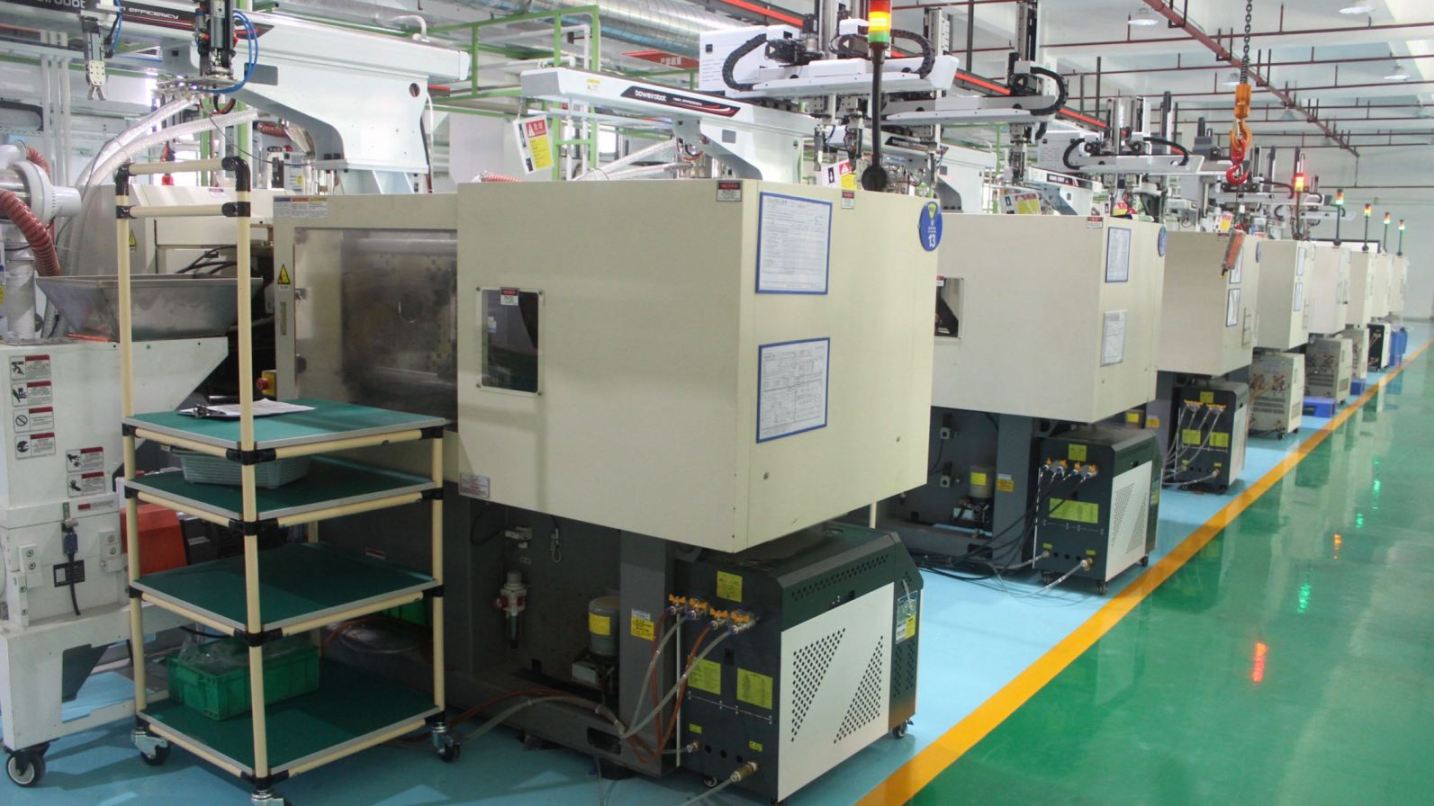
A behind-the-scenes look at the high-precision machinery and validation systems that guarantee consistency across millions of units.
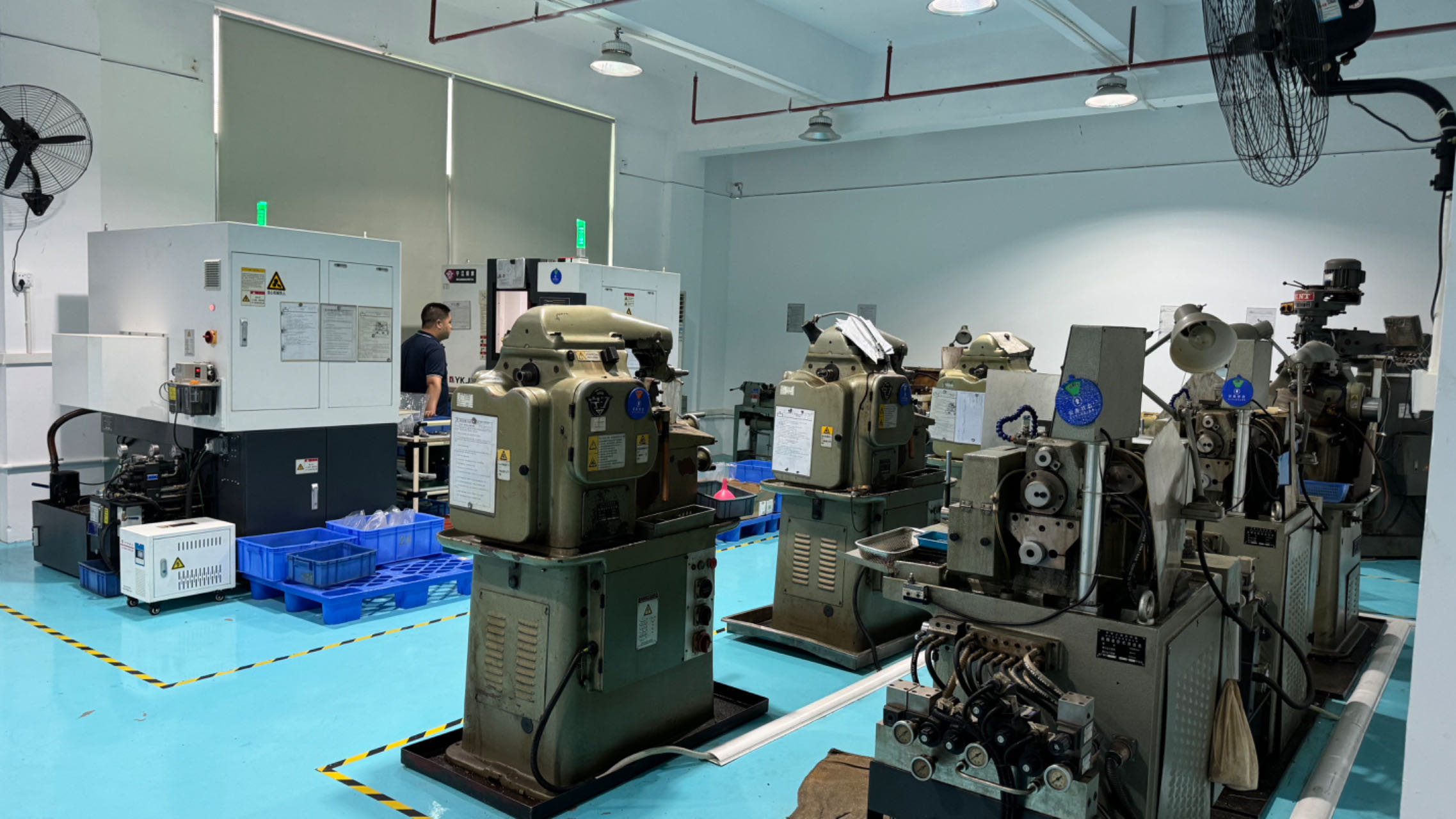
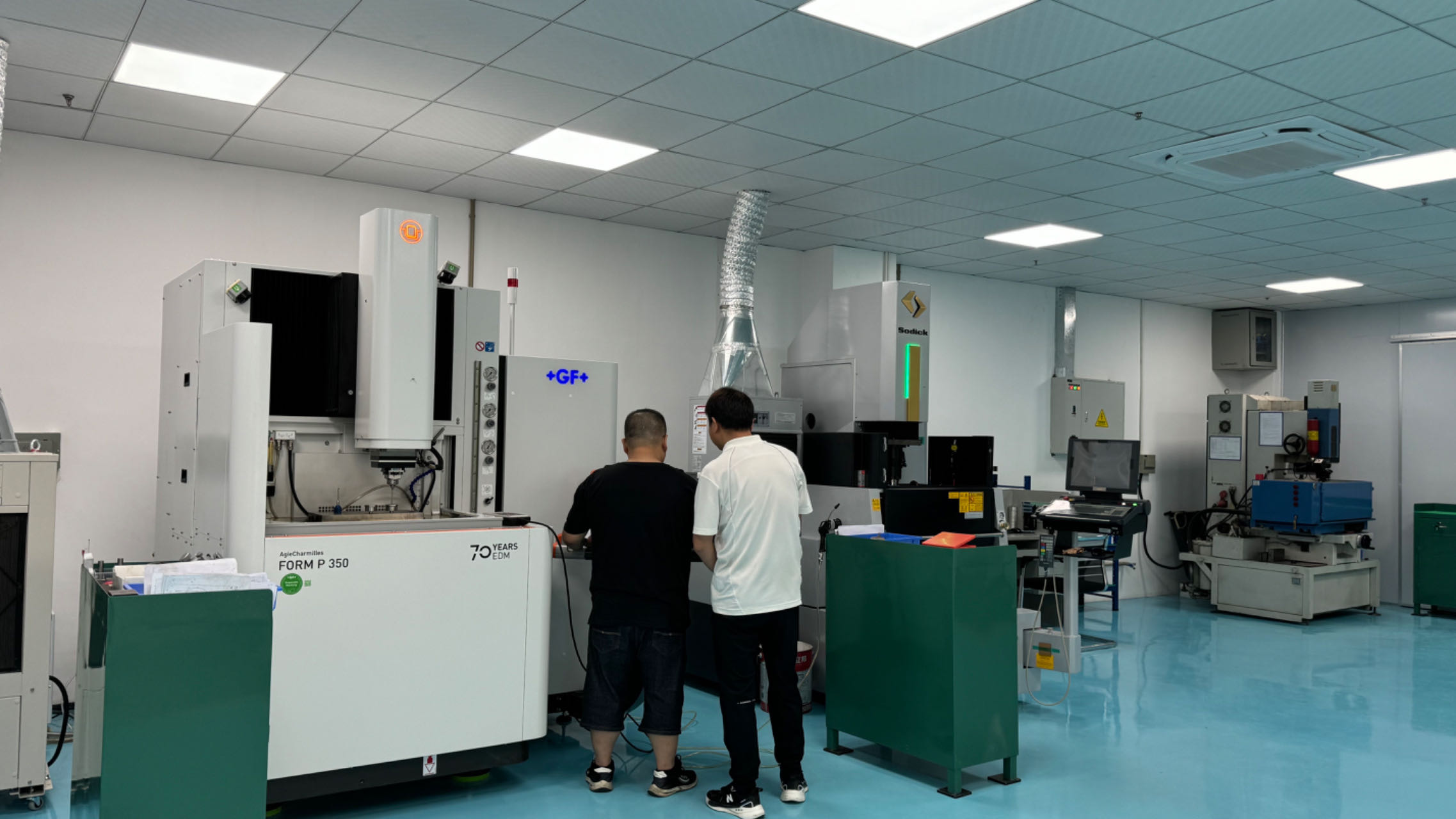
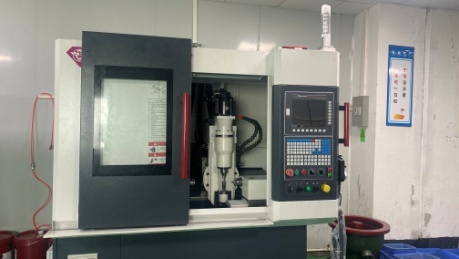
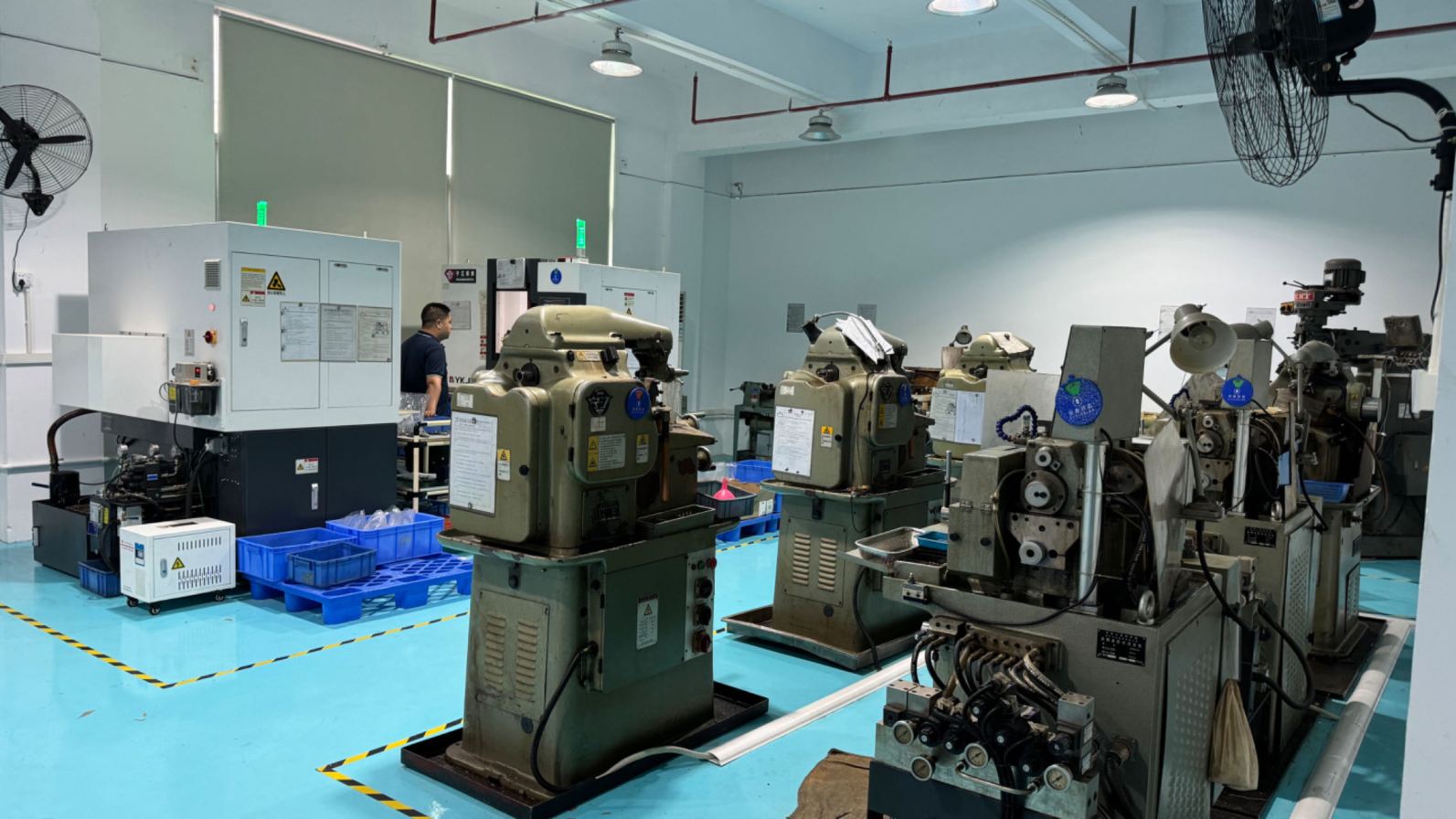
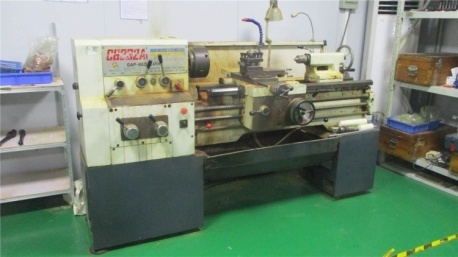
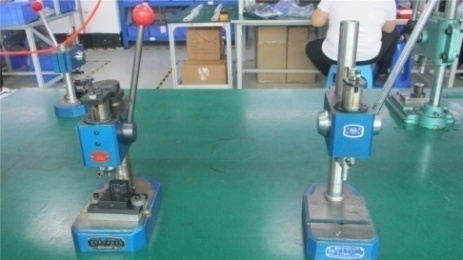
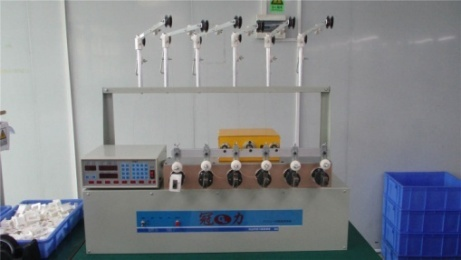
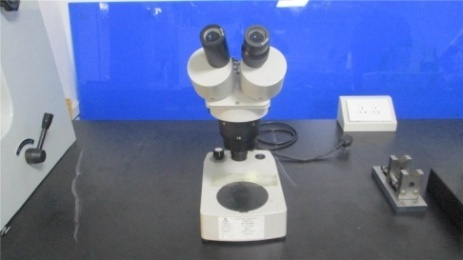
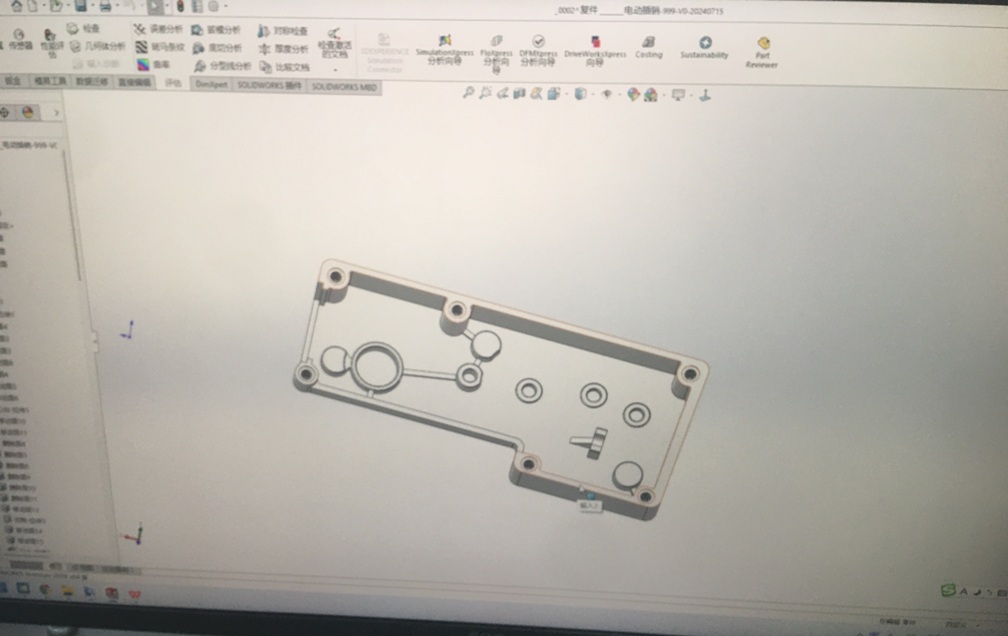
To produce gears and micro-shafts with micron-level tolerances, the factory utilizes high-grade toolrooms and automated winding machines:
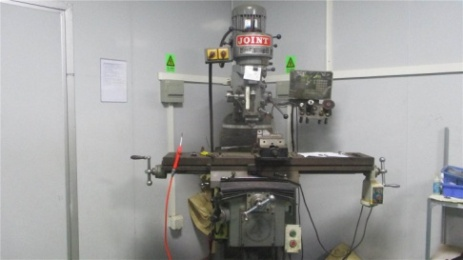
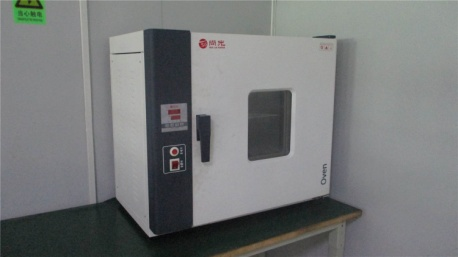
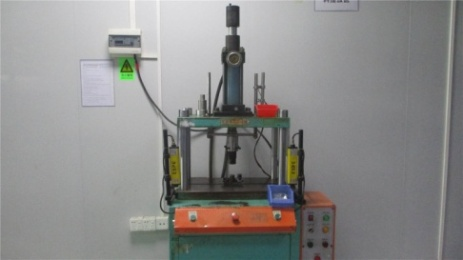
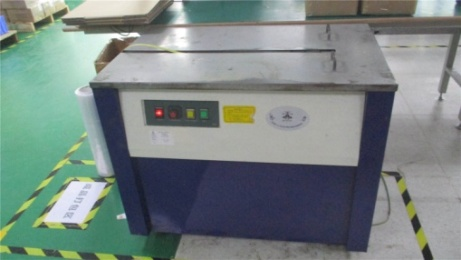
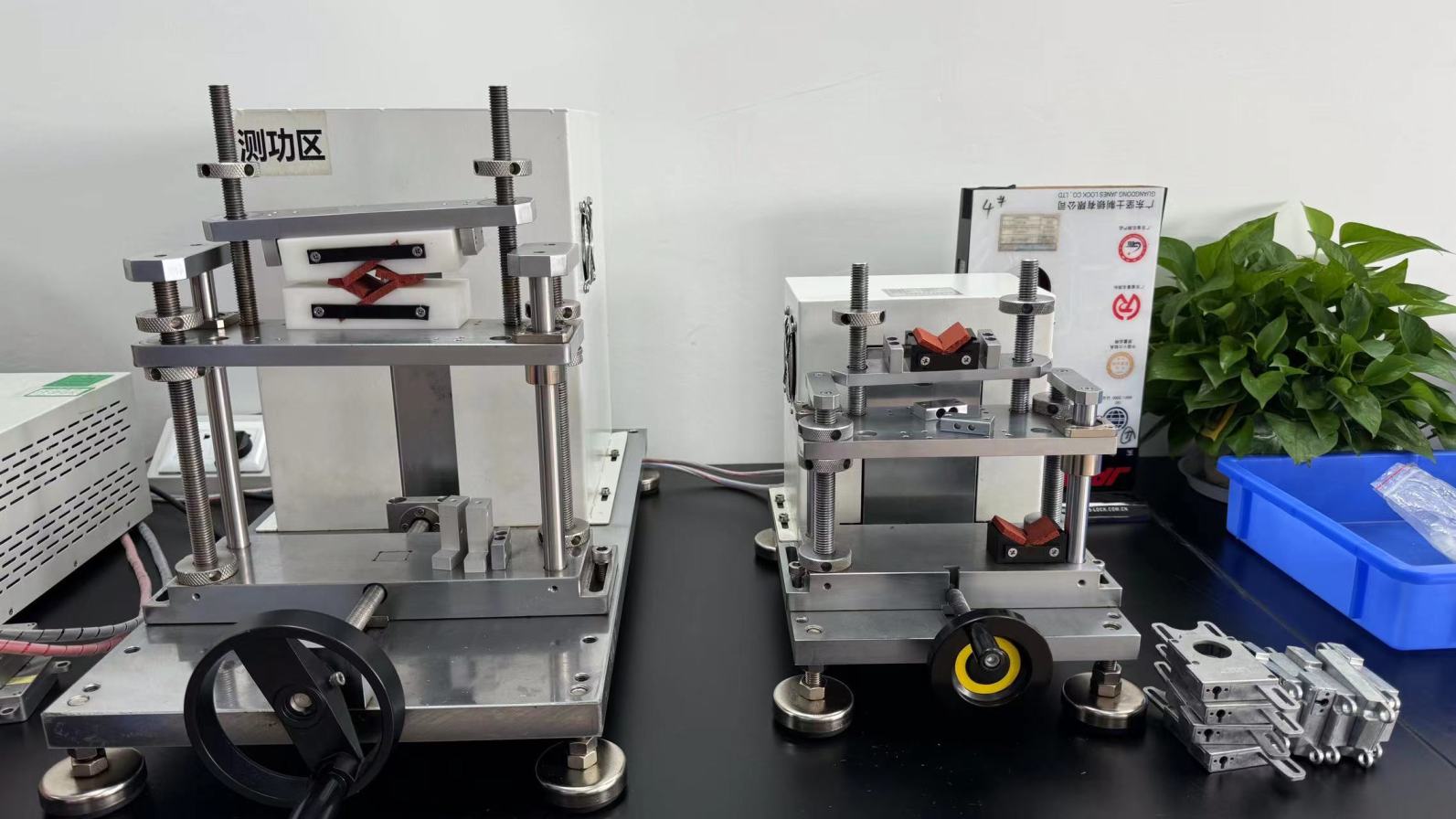
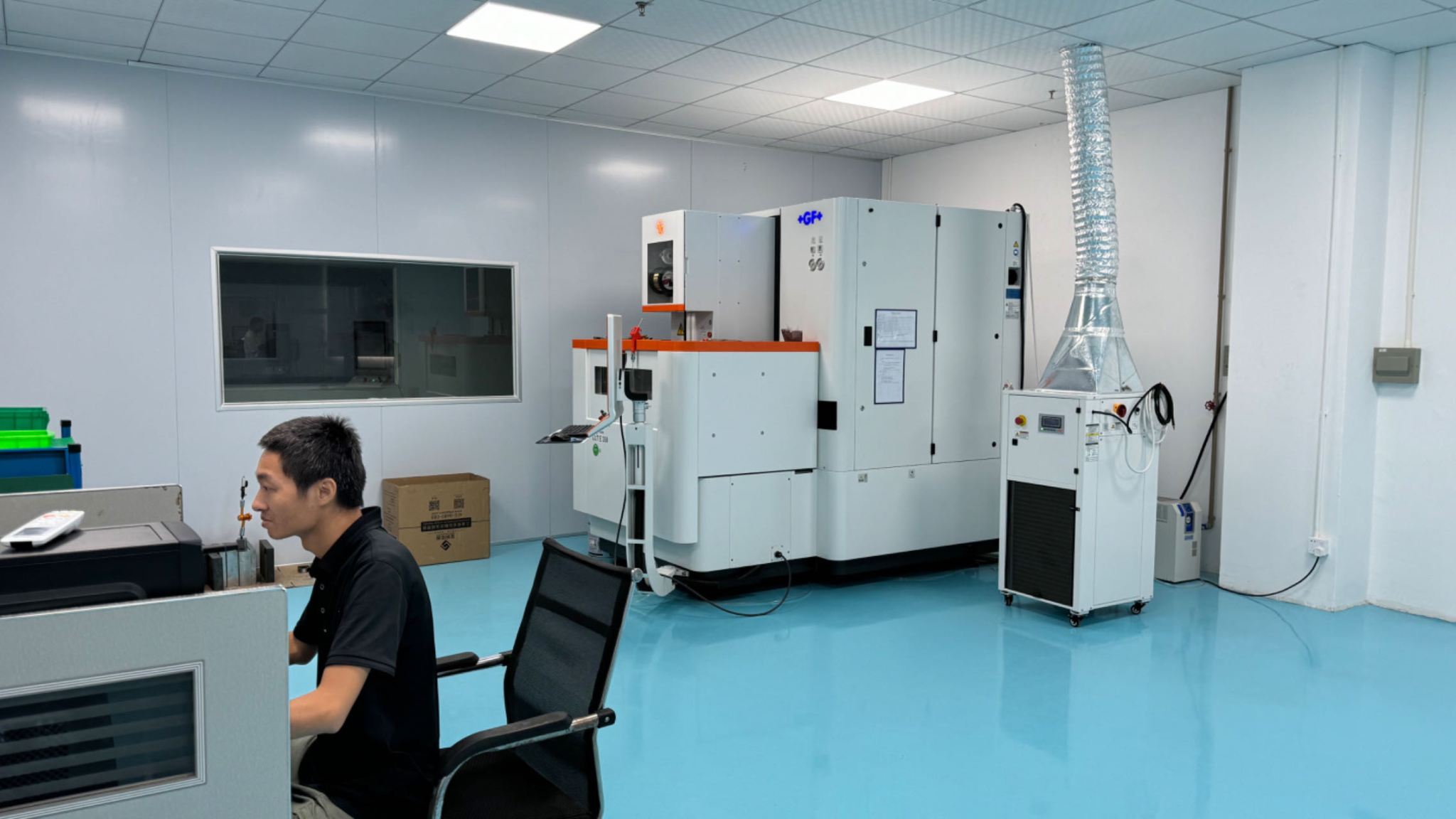
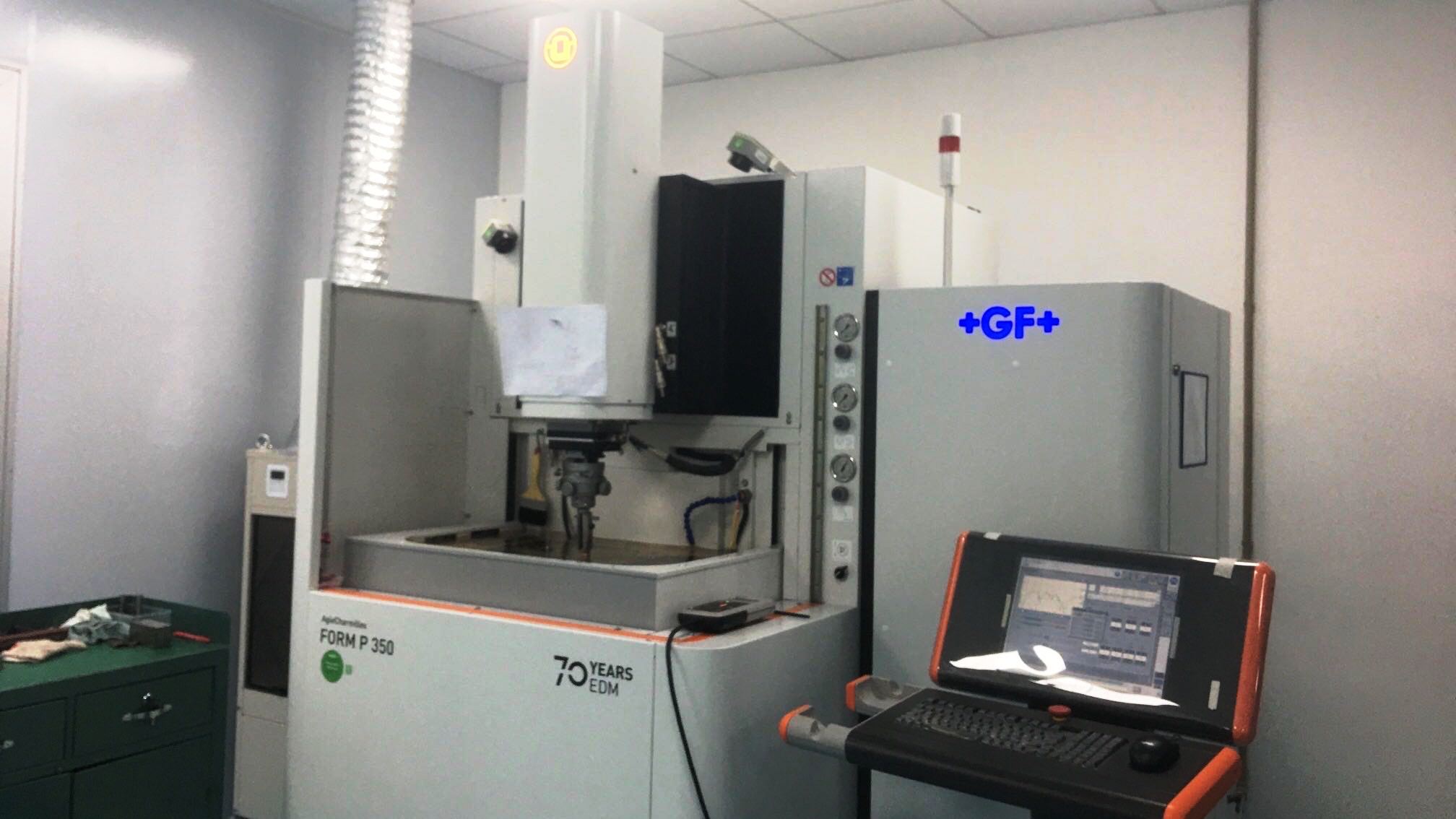
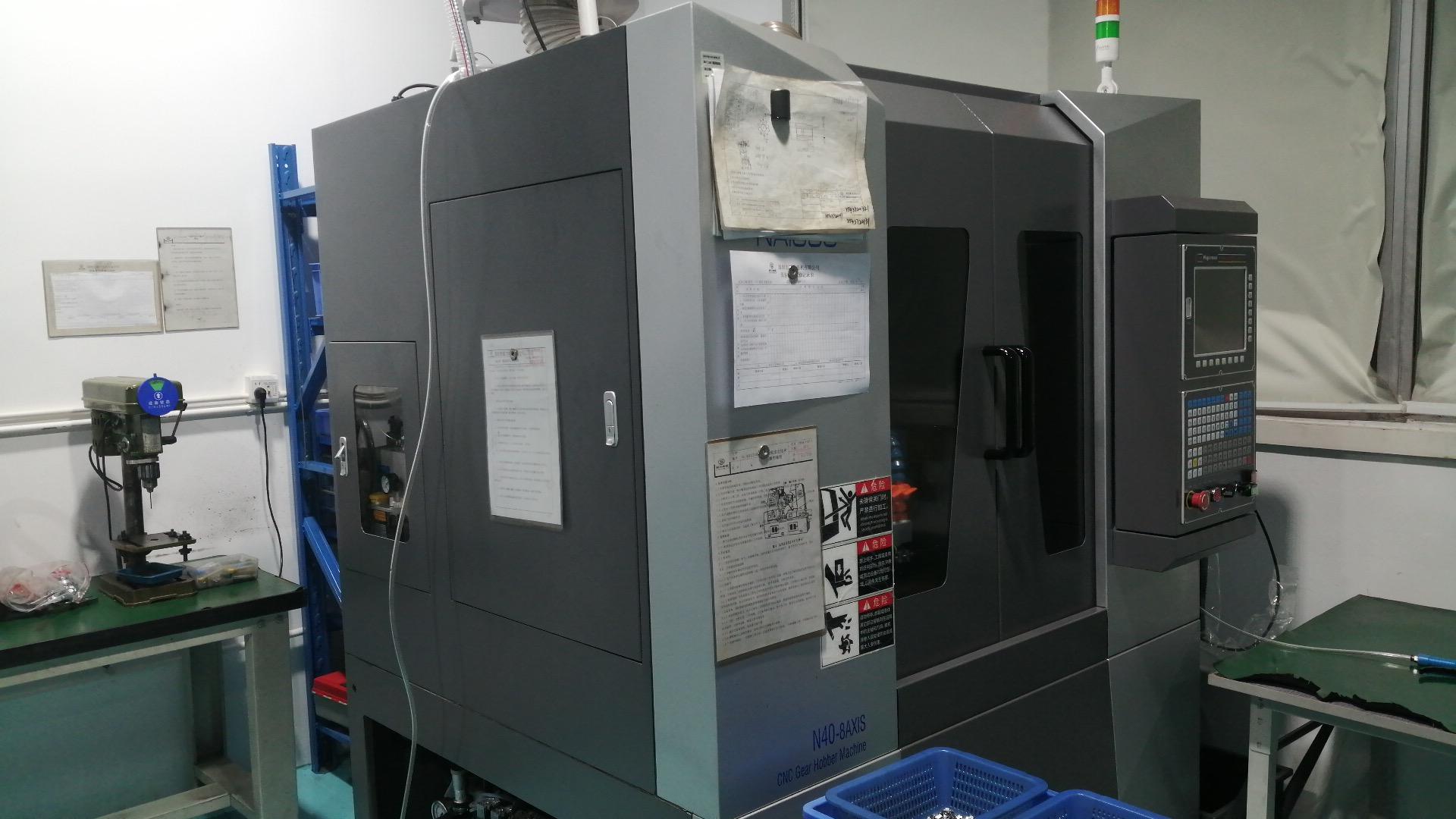
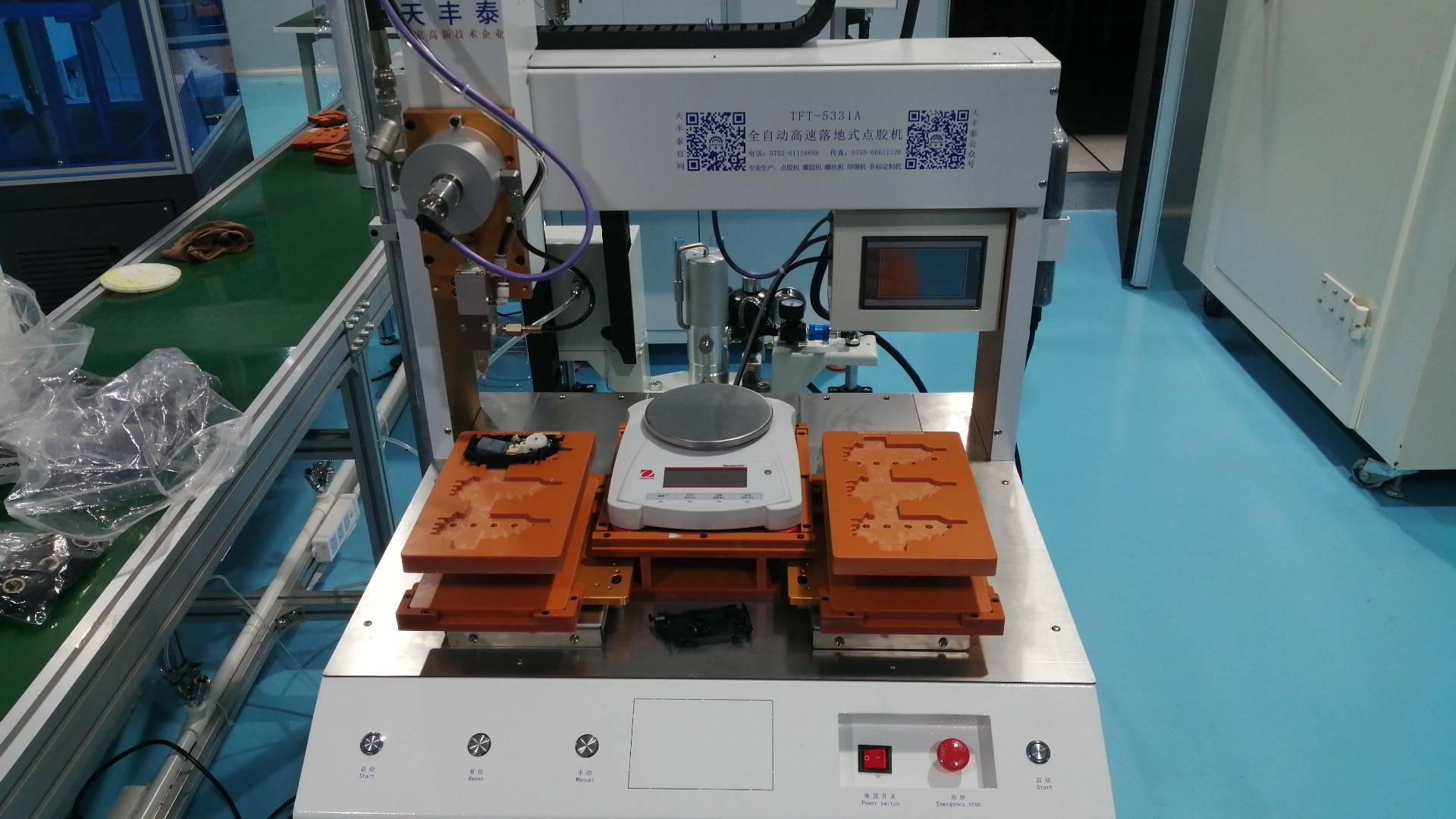
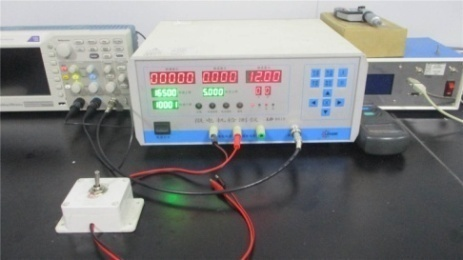
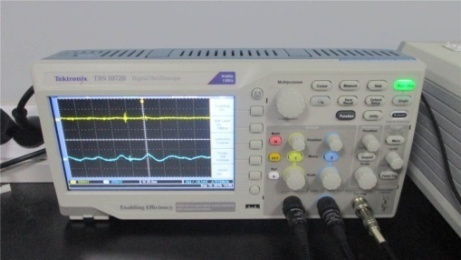
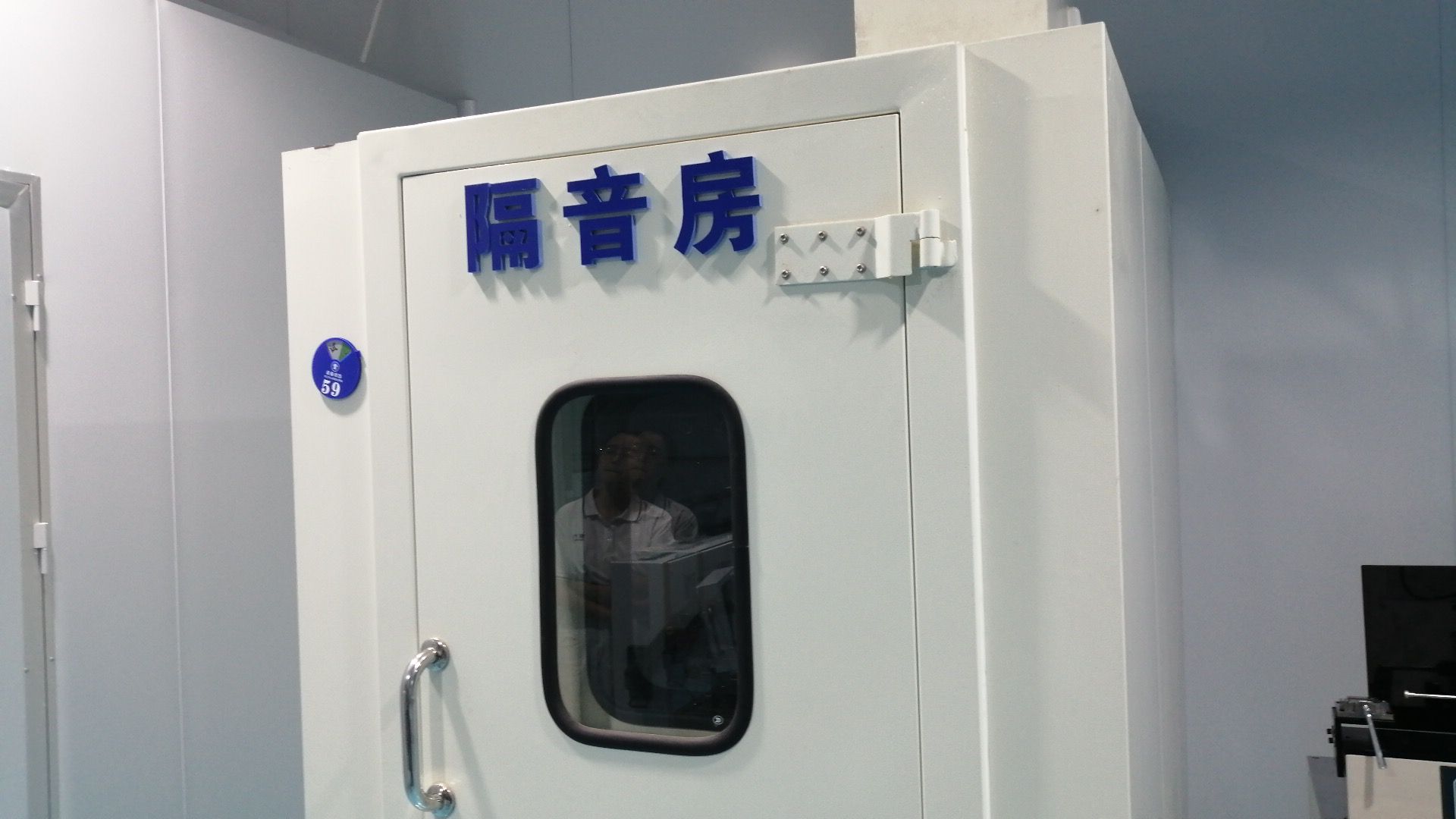
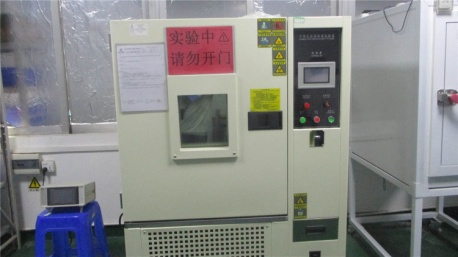
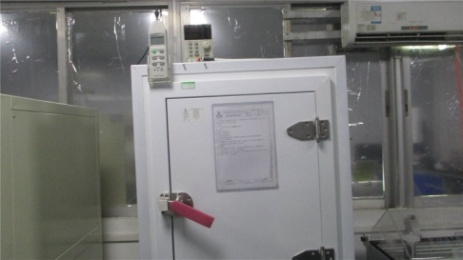
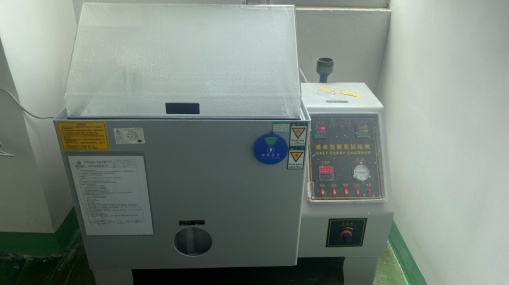
Industrial applications require vibration motors to perform reliably in extreme environments, from high humidity to continuous shock. WICCA’s testing labs utilize specialized testing chambers to verify reliability:
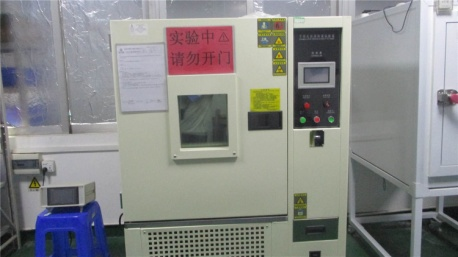
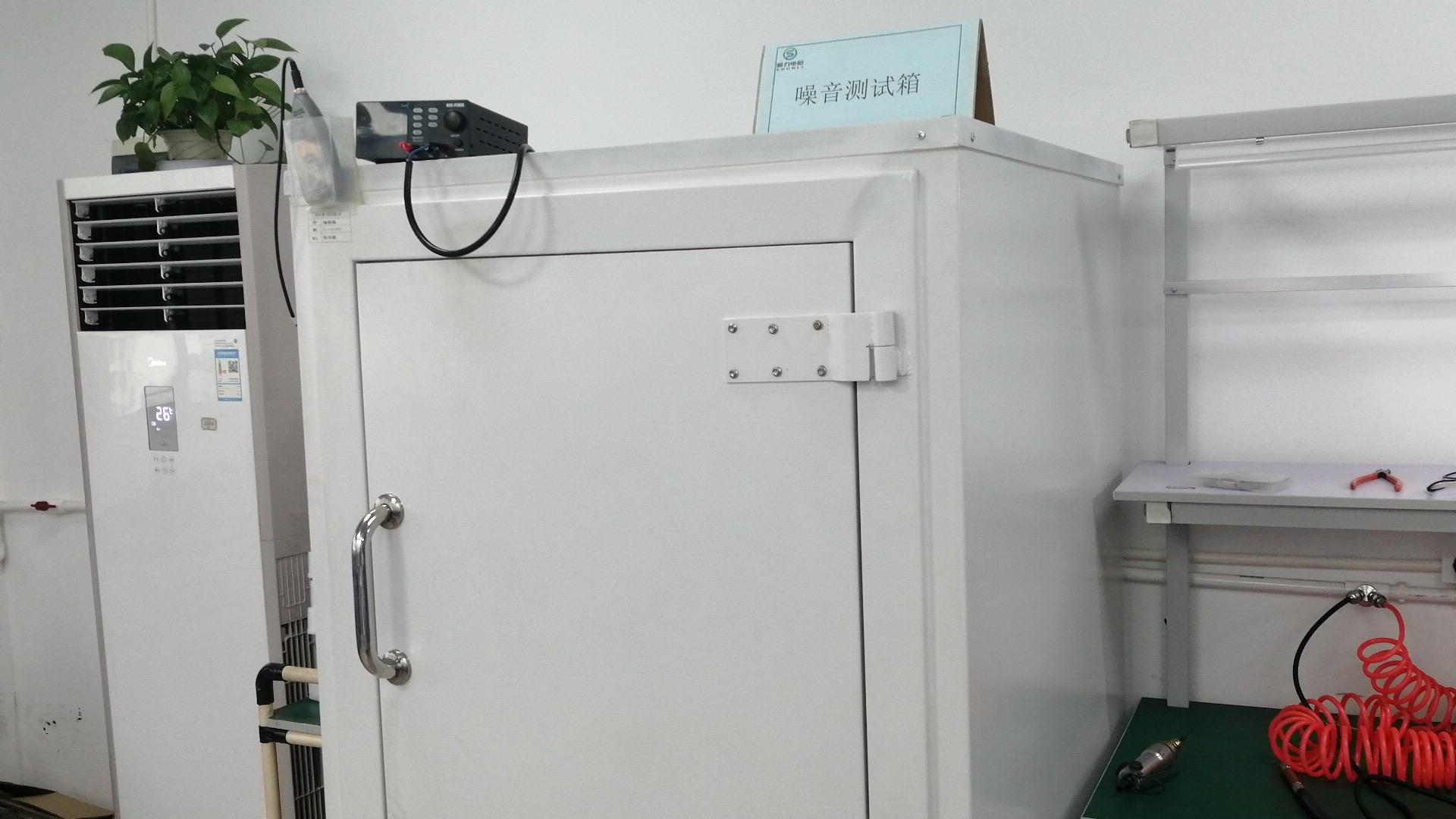
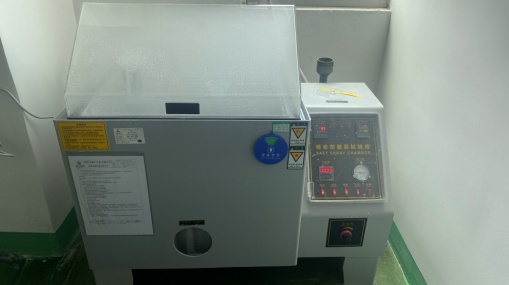
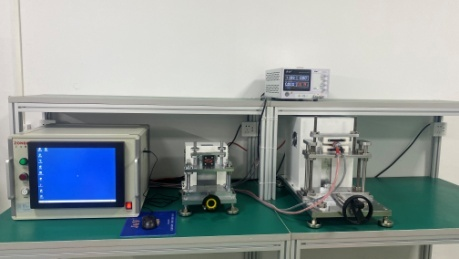
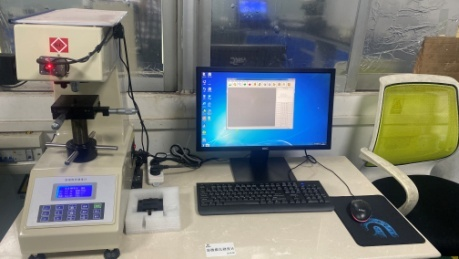
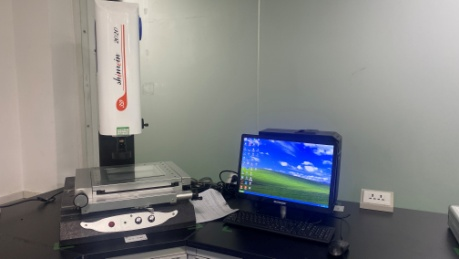
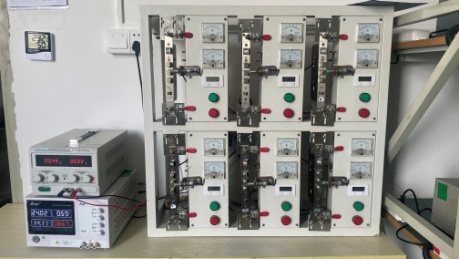
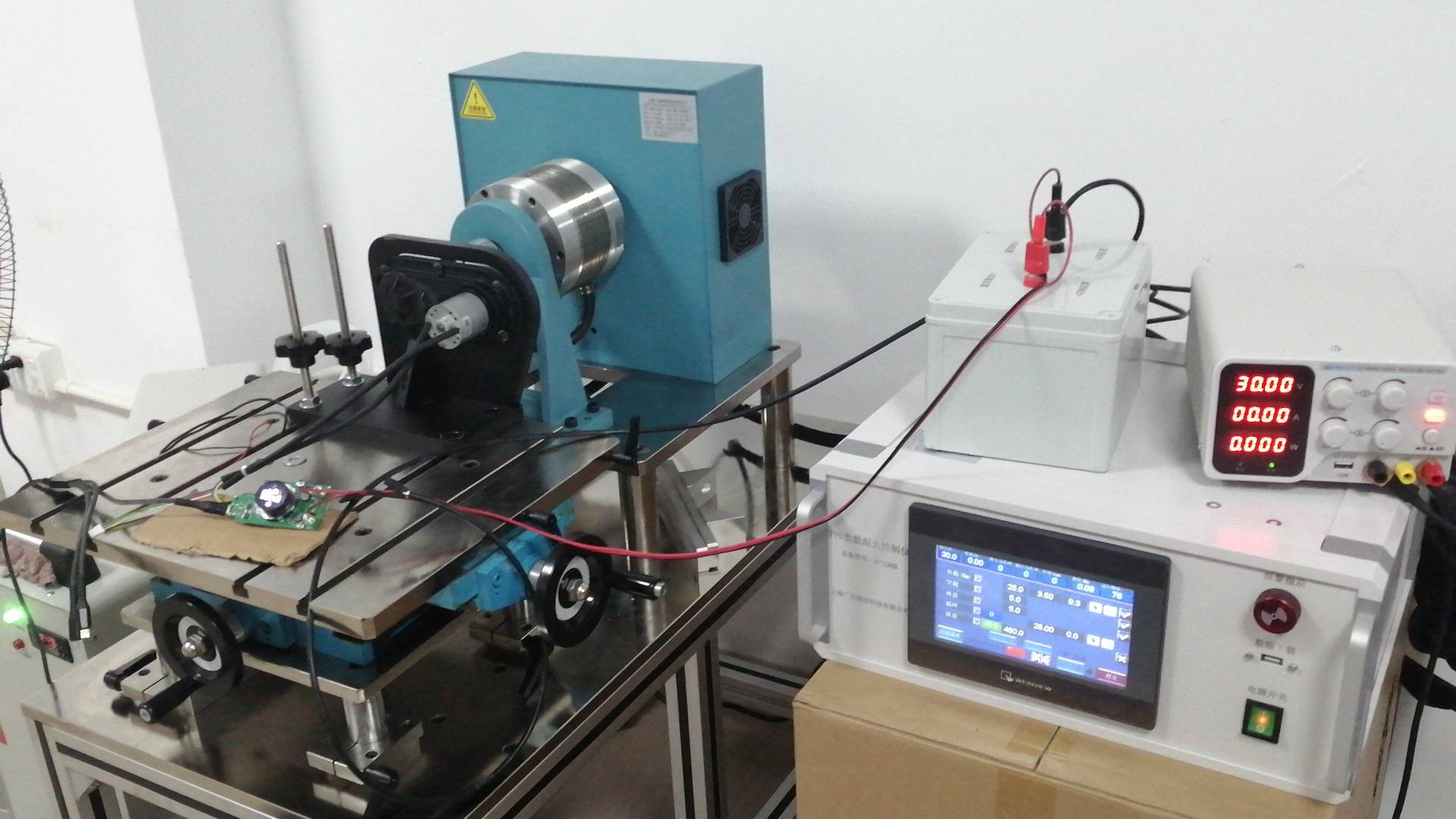
Adapting vibration technology to IoT devices, high-reliability medical wearables, and smart home lock mechanisms.
Traditional brushed ERM motors rely on mechanical carbon brushes that wear out over time. To meet the demands of continuous industrial operation, manufacturers are shifting to brushless DC vibration systems. By removing physical brushes, BLDC models extend service life from ~500 hours to over 10,000 hours, making them ideal for high-uptime automation systems.
In virtual reality and medical diagnostics, simple on/off vibrations are no longer sufficient. Modern systems require precise haptic feedback to simulate textures or warn patients of critical biometrics. High-acceleration LRAs and coreless ERM drives are helping engineers design smaller, more responsive wearable devices.
Smart door locks, automatic blinds, and small home appliances require high torque with minimal noise. Using high-precision worm gears, custom gearboxes, and sound-dampening enclosures, modern manufacturers can reduce operating noise levels below 35 dB, ensuring quiet operation in residential spaces.
B2B technical specifications to include in RFQs and supplier evaluation processes.
When drafting Request for Quotations (RFQs) for micro motors, procurement teams should specify clear electrical, physical, and environmental limits rather than relying on generic model numbers. Ensure your chosen manufacturer supports the following validation steps:
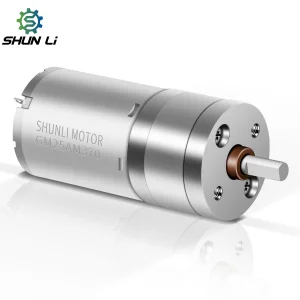
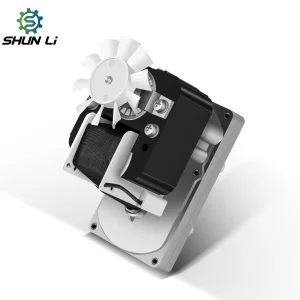
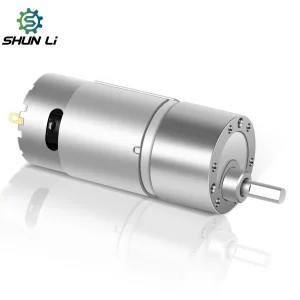
High-torque gearboxes, micro vibrators, and asynchronous AC options for global automation and industrial applications.
Direct engineering answers addressing design trade-offs, supply logistics, and customization options.
Standard shaft modifications or custom wire lengths typically take 2-3 weeks for prototyping. Scale production runs of custom configurations generally ship within 4-6 weeks after design approval.
We optimize rotor balance, use high-grade bronze or synthetic sleeve bearings, and apply specialized dampening materials. This helps keep noise levels below 35-40 dBA in low-noise applications.
Our manufacturing sites are ISO 9001 and ISO 14001 certified. For medical and automotive programs, we can provide PPAP documentation and comply with IATF 16949 guidelines.
Coreless designs eliminate magnetic cogging, which reduces rotor inertia and allows for much faster acceleration. This makes them highly suited for responsive haptic applications.
Yes. We can design and manufacture custom eccentric weights using high-density tungsten alloys or brass, matching the vibration amplitude to your specific housing and haptic requirements.
Salt spray testing accelerates corrosion to verify the durability of the motor housing and seals. Passing 96-hour salt spray tests ensures reliable operation in marine or harsh outdoor environments.
 WICCA Motor