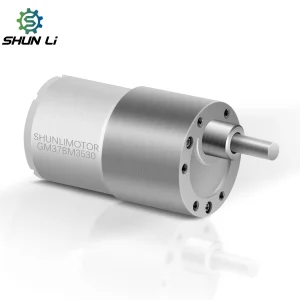
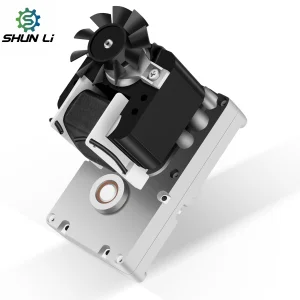
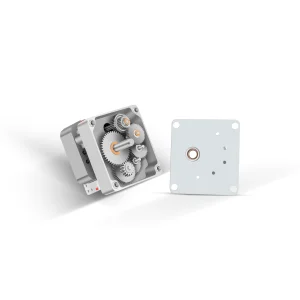
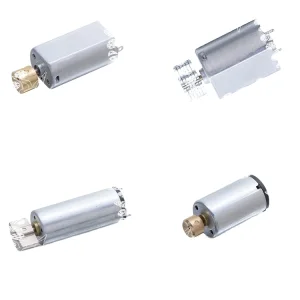
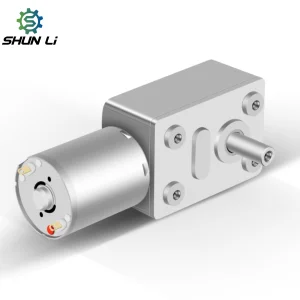
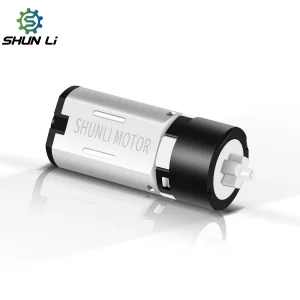
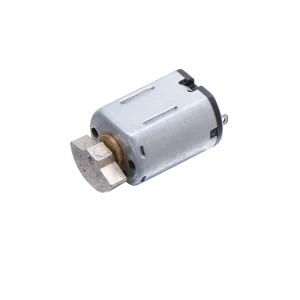
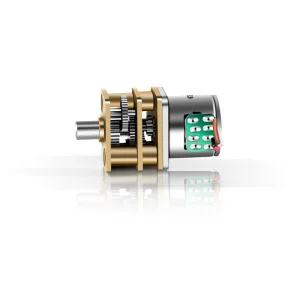
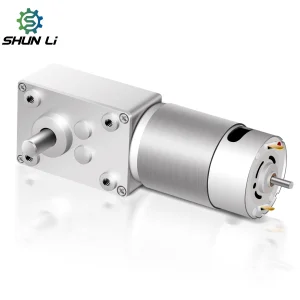
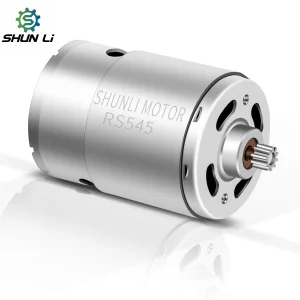
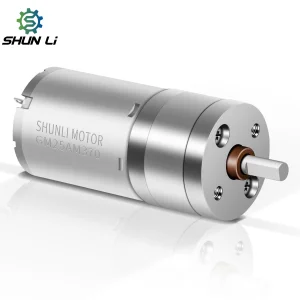
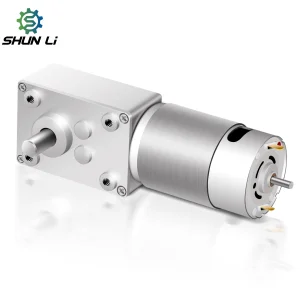
High-efficiency, custom-engineered electromagnetic solutions optimized for low noise and minimal stray magnetic field characteristics.
Open up a premium smart door lock, a high-end medical pump, a robotic cleaner, or an automotive electronic seat—and you’ll likely find the silent, reliable pulse of a WICCA Motor.
We don’t just build hardware; we power the user experiences that define your brand. Our micro DC and brushless motors are engineered to be invisible—operating with ultra-low noise, high energy efficiency, and a compact footprint that allows product designers to push the limits of their industrial design. When your product’s reputation relies on flawless, repeated mechanical motion, WICCA Motor delivers the precision engineering that keeps your customers happy.
In modern industrial applications, electromagnetic compatibility (EMC) is a critical design metric. A Stray Field Motor (or a motor with minimized stray magnetic field emission) is engineered specifically to prevent leakage flux from escaping the stator yoke and active motor frame. This leakage, or "stray field," can cause severe electromagnetic interference (EMI) in adjacent electronic circuits, degrade the precision of nearby magnetic sensors, and impact communication modules in IoT devices.
By employing advanced magnetic circuit design, Finite Element Analysis (FEA) simulations, and localized magnetic shielding materials (such as Mu-metal, silicon steel laminations, and low-permeability steel enclosures), manufacturers are able to redirect flux paths back into the active mechanical airgap. This increases overall motor torque density while drastically mitigating the external electromagnetic footprint.
The global micro motor manufacturing sector is undergoing rapid technological transformation. Below is an analytical review of the top 10 players driving innovation in stray field management, compact integration, and electromagnetic efficiency:
| Manufacturer Name | Primary Technical Advantage | Shielding Capabilities | Target Industries |
|---|---|---|---|
| WICCA Motor (Shunli) | Custom Micro-drives & Ultra-low Noise Gears | Mu-Metal Casing, Integrated FEA Shielding | Smart Home, Medical, High-End IoT |
| Maxon Motor (Switzerland) | Coreless Winding Technology | High-Performance Magnetic Flux Focus | Aerospace, Robotics, Surgery |
| Faulhaber (Germany) | Precision Micro-brushless Motors | Stator-yoke Leakage Optimization | Optics, Medical, Analytical Instruments |
| Portescap (USA/India) | Slotless Brushless DC Innovations | Low EMI Stator Laminations | Surgical Handtools, Ventilation |
| Nidec Corporation (Japan) | Massive Scale Hard Disk Drive Motors | Automotive Grade EMC Shielding | Automotive, IT, Smart Appliance |
| Bühler Motor (Germany) | Heavy-Duty Brush DC Gearmotors | Enclosed Metal Housing Shielding | Automotive, Industrial Actuation |
| Allied Motion (USA) | Brushless Outer-Rotor Designs | Magnetic Shielding Jackets | Defense, Industrial Automation |
| Dunkermotoren (Germany) | Modular Brushed/Brushless Units | EMC Filter Integration & Shielded Cables | Intralogistics, Factory Automation |
| Oriental Motor (Japan) | Precision Steppers & Ac/Dc Systems | Laminated Core Optimization | Semiconductor Assembly, Packaging |
| Moog OEM (USA) | High-Reliability Brushless Assemblies | Custom Aerospace Shielding Enclosures | Defense, Severe Environment Marine |
The requirement for minimized stray fields varies by geographical market and localized product requirements:
From raw materials to precision machinery, explore our vertically integrated facility engineered for reliability, throughput, and zero-defect quality control.
 Raw Material
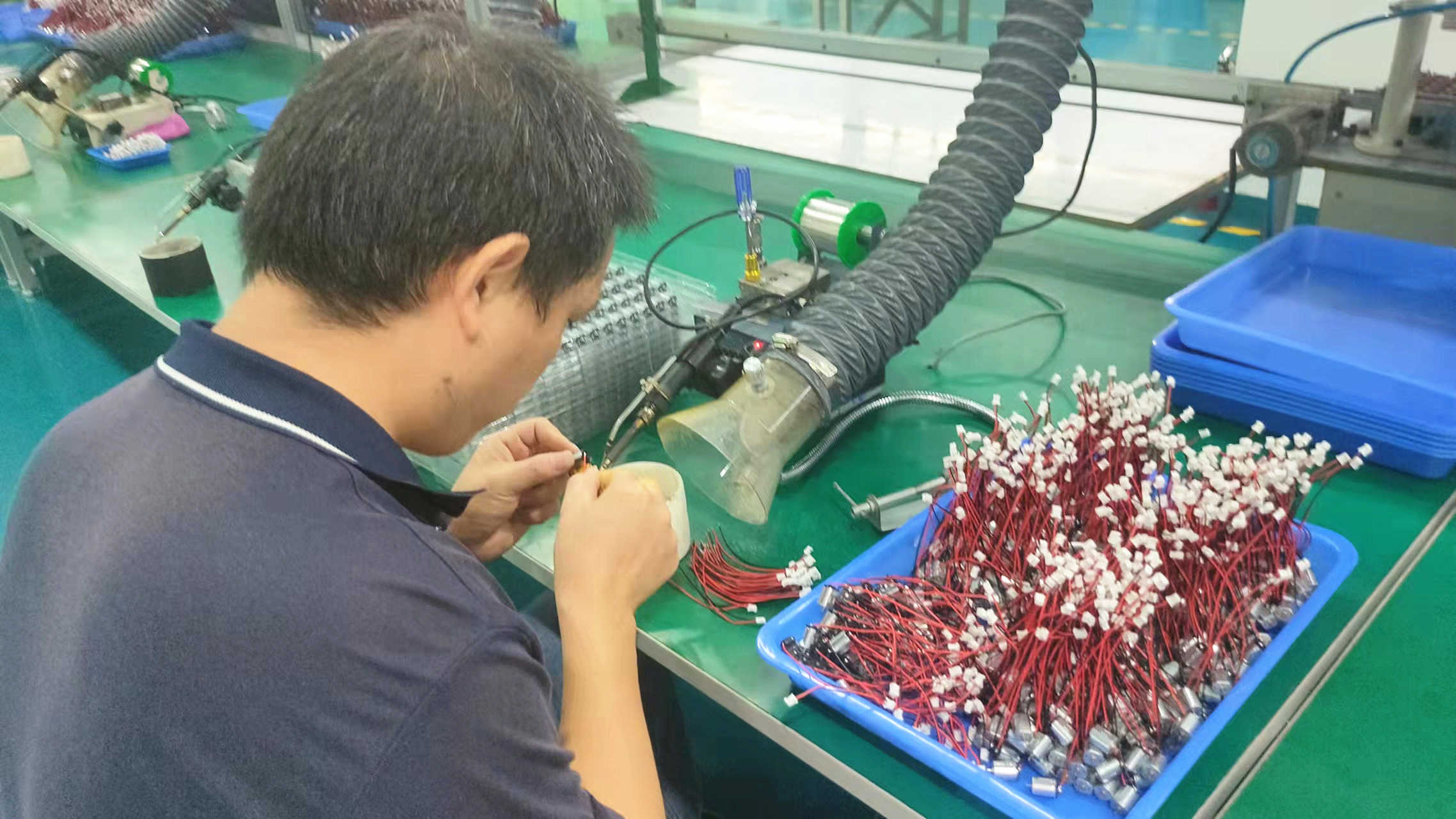 Soldering
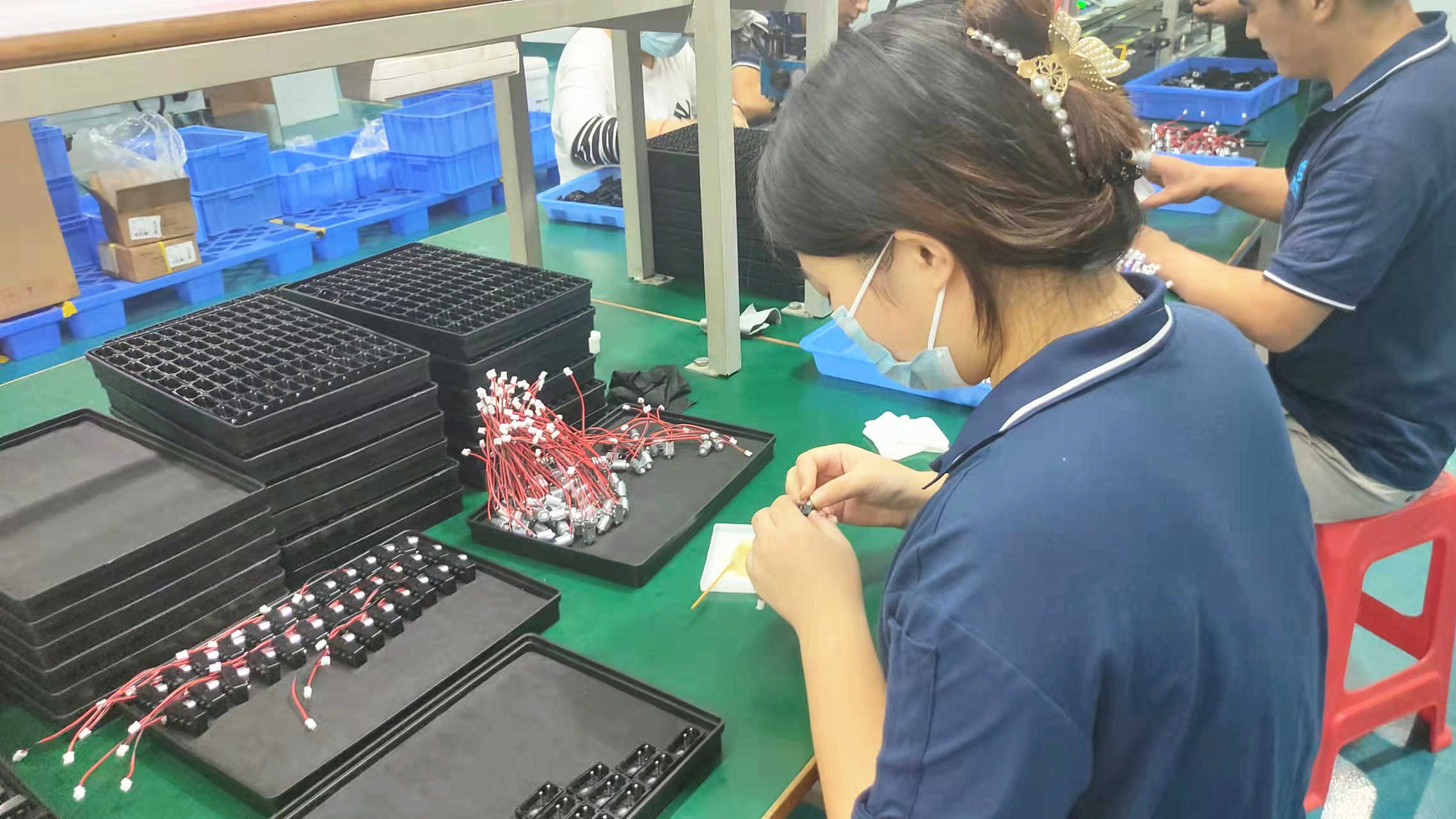 Assembling
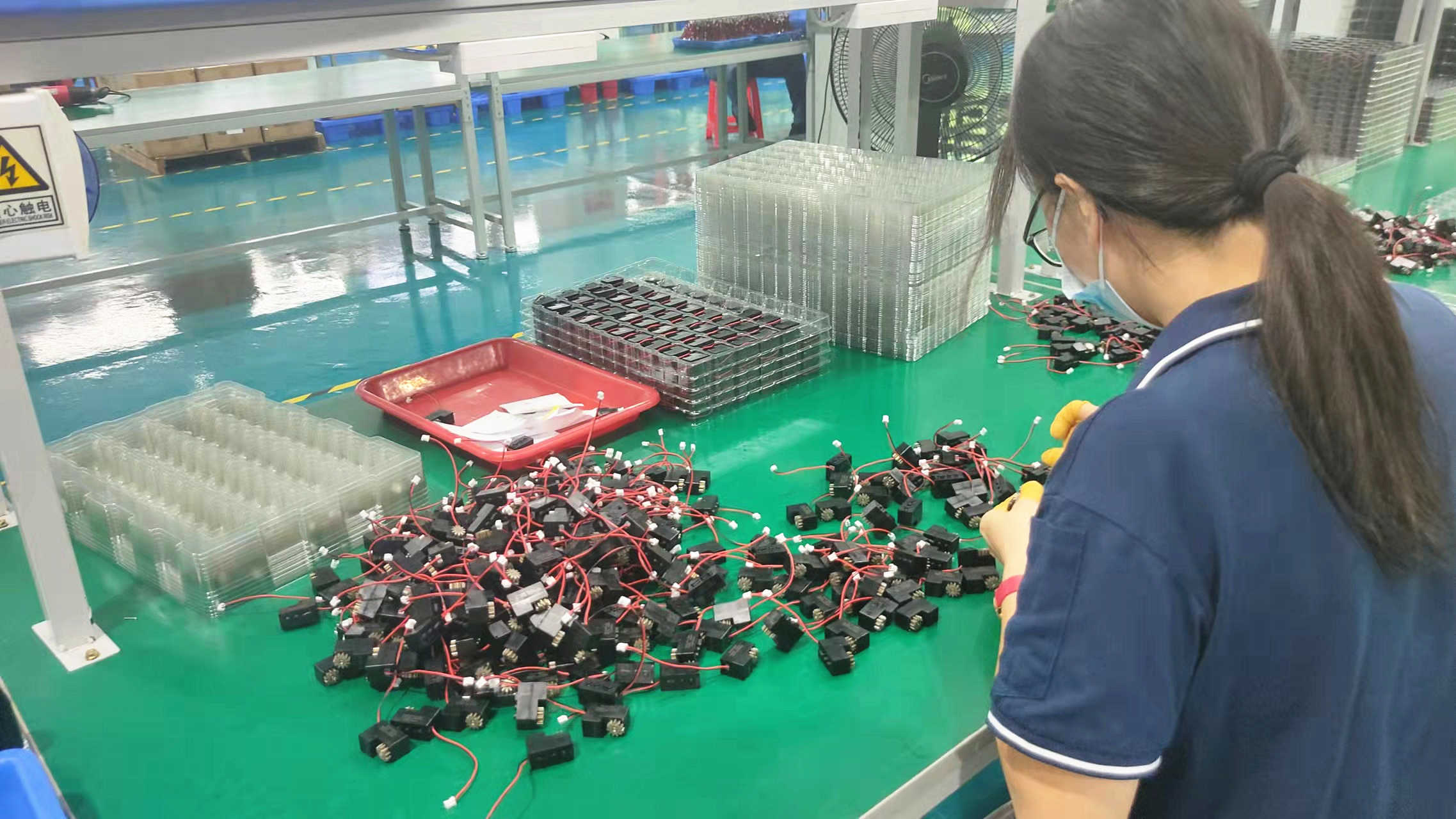 Testing
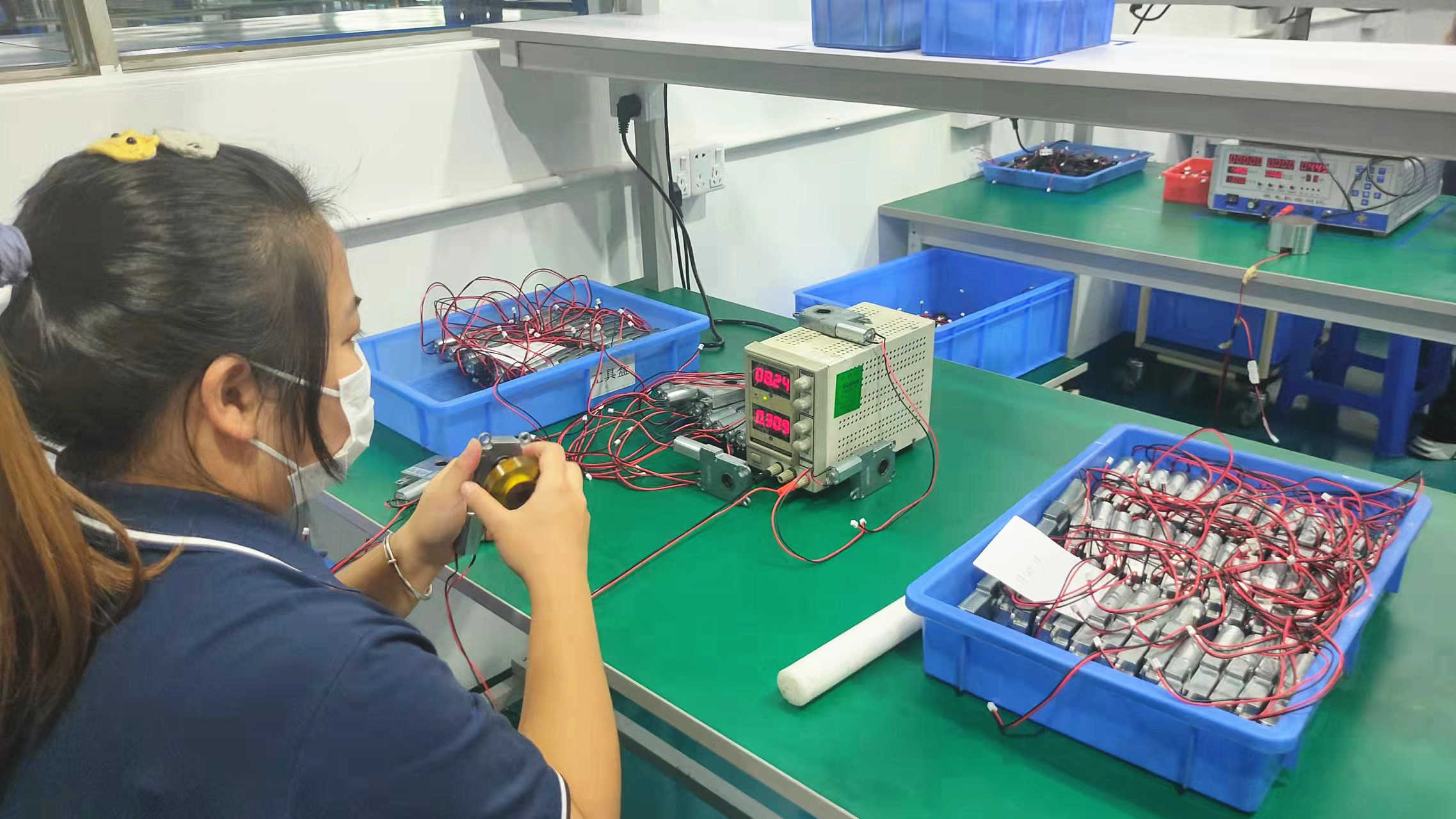 Packing
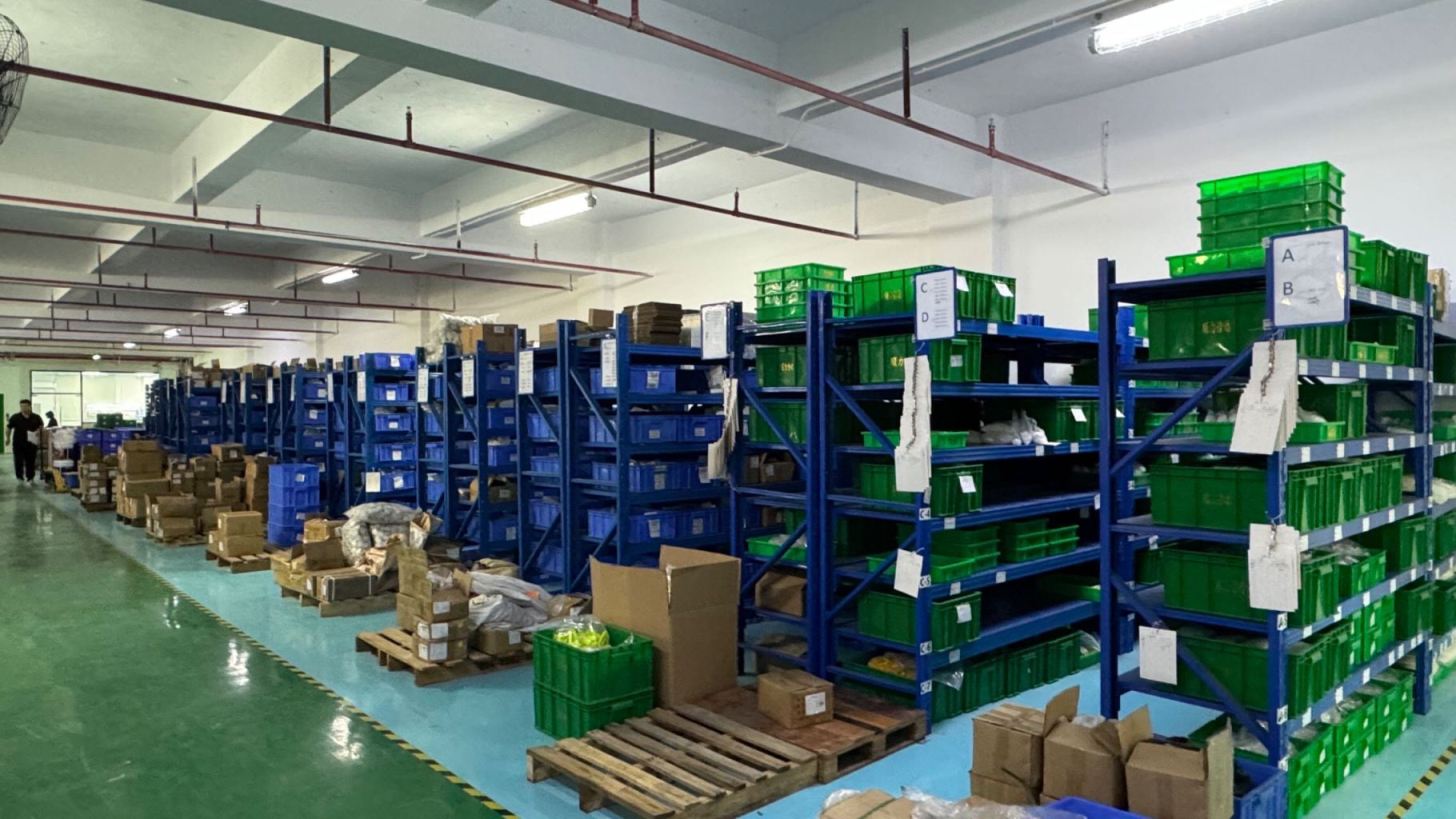 Storage
A resilient supply chain depends on high-precision toolsets that minimize variance. WICCA's facility utilizes high-end machining centers to fabricate tight-tolerance components in-house, significantly lowering the risk of foreign magnetic circuit gaps that create stray fields.
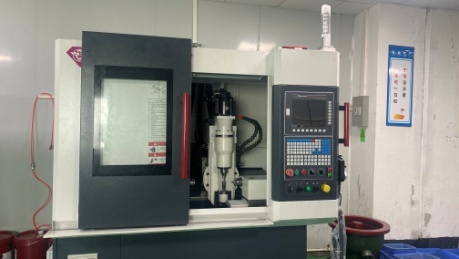 NINGJIANG MACHINE TOOL
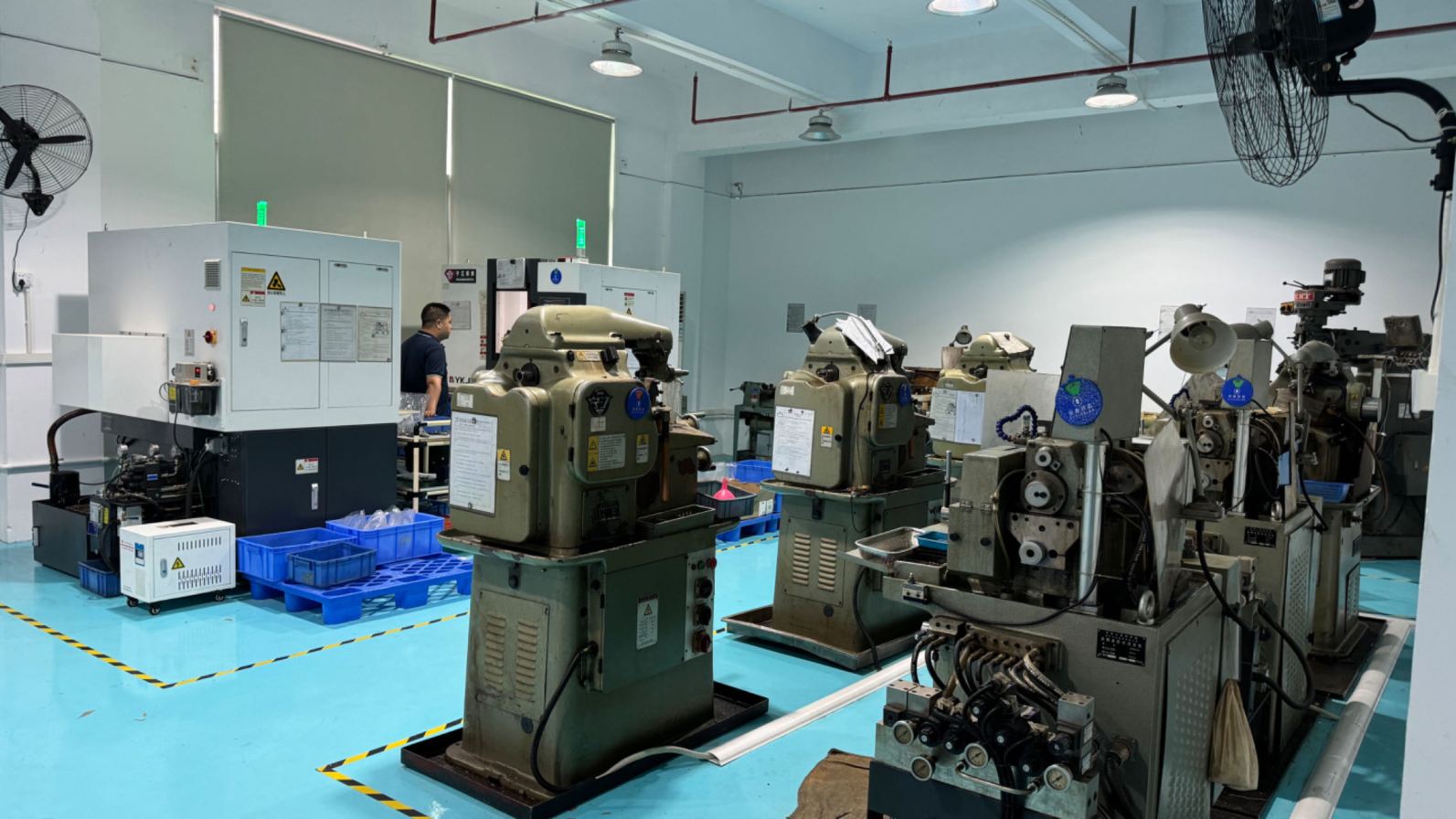 High Precision Horizontal Gear Hobbing Machine
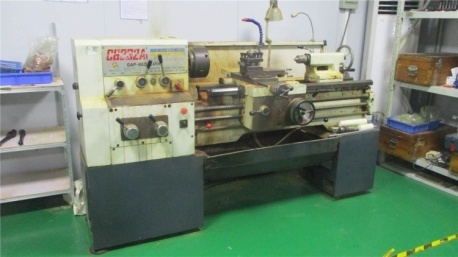 Lathing Machine
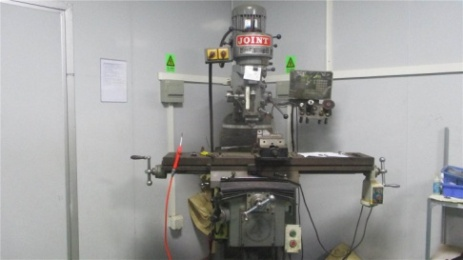 Milling Machine
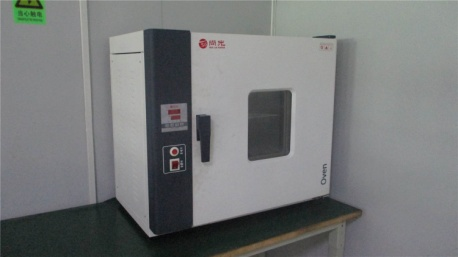 Drying Oven
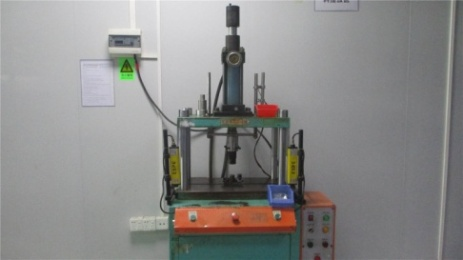 Automatic Gear Riveting Machine
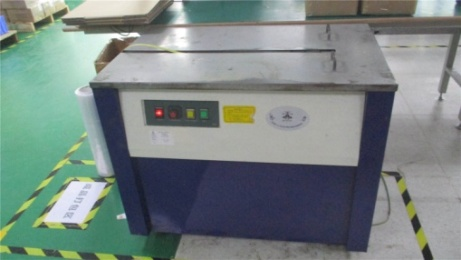 Packing Machine
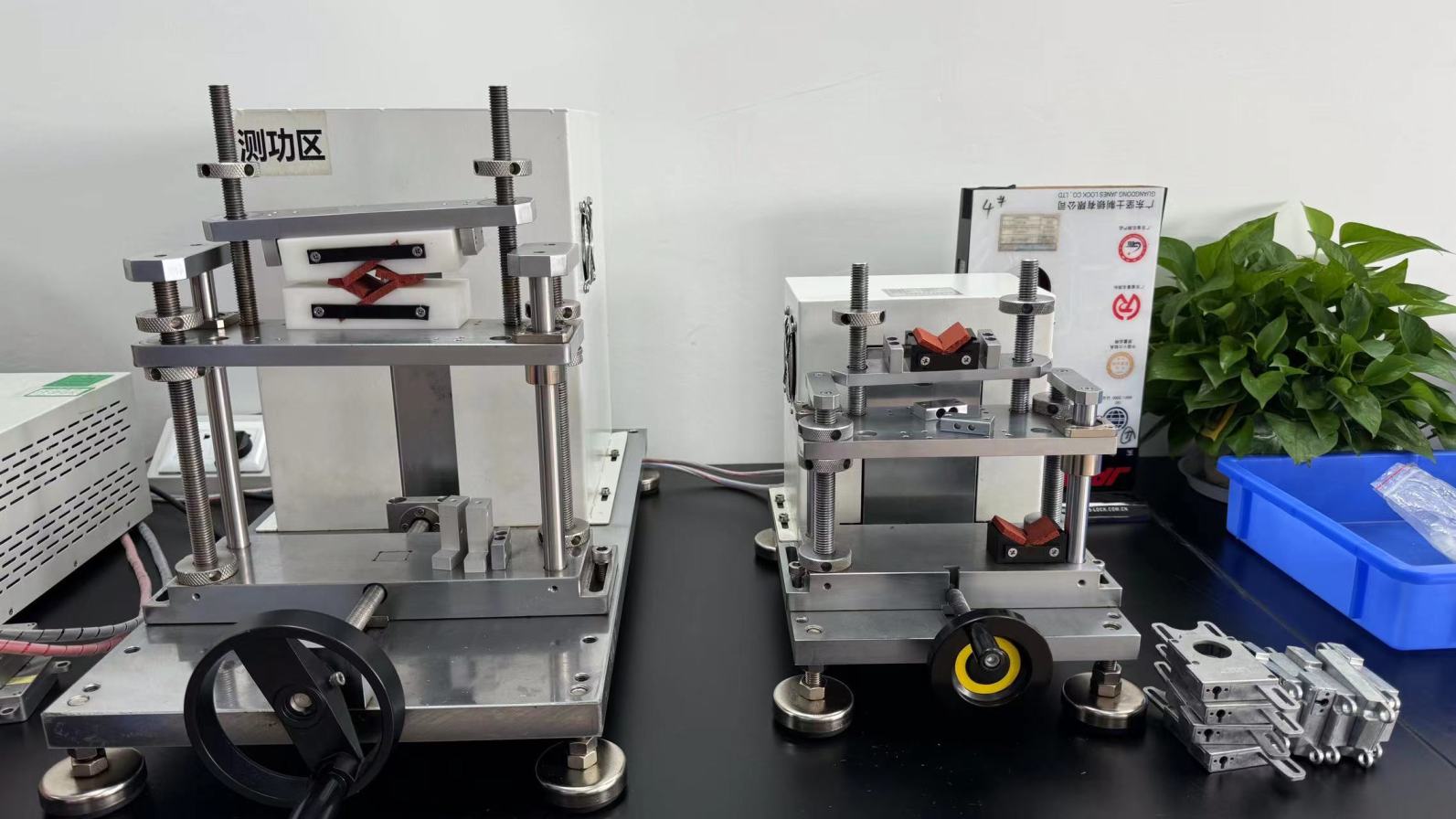 Pneumatic Pressing Machine
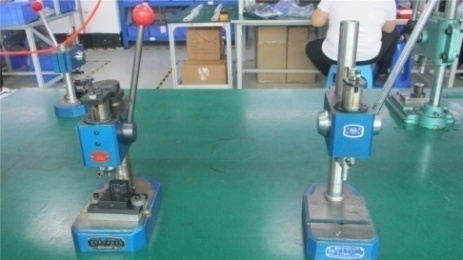 Manual Pressing Machine
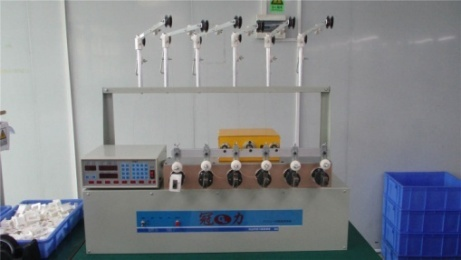 Computer Wire Winding Machine
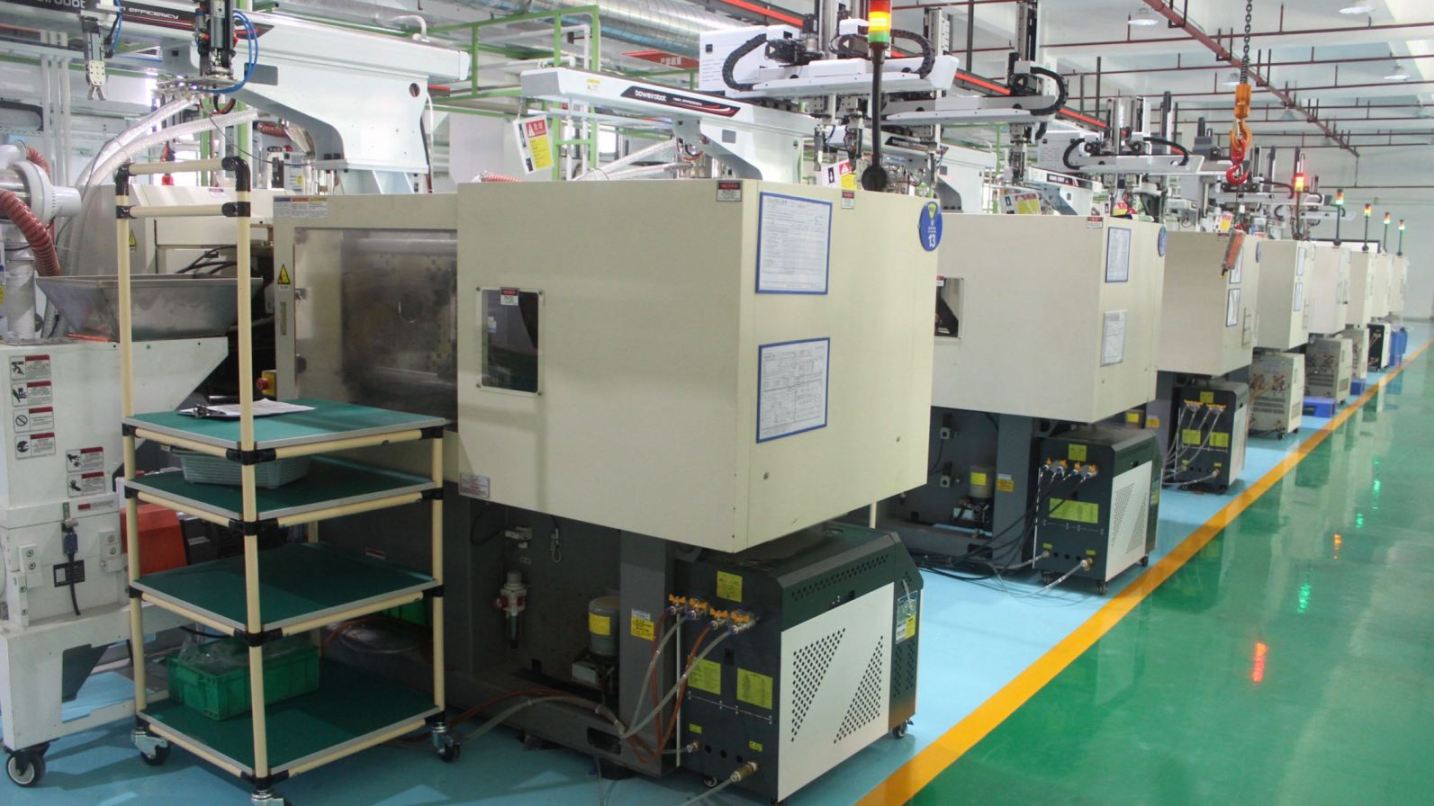 Injection Machine
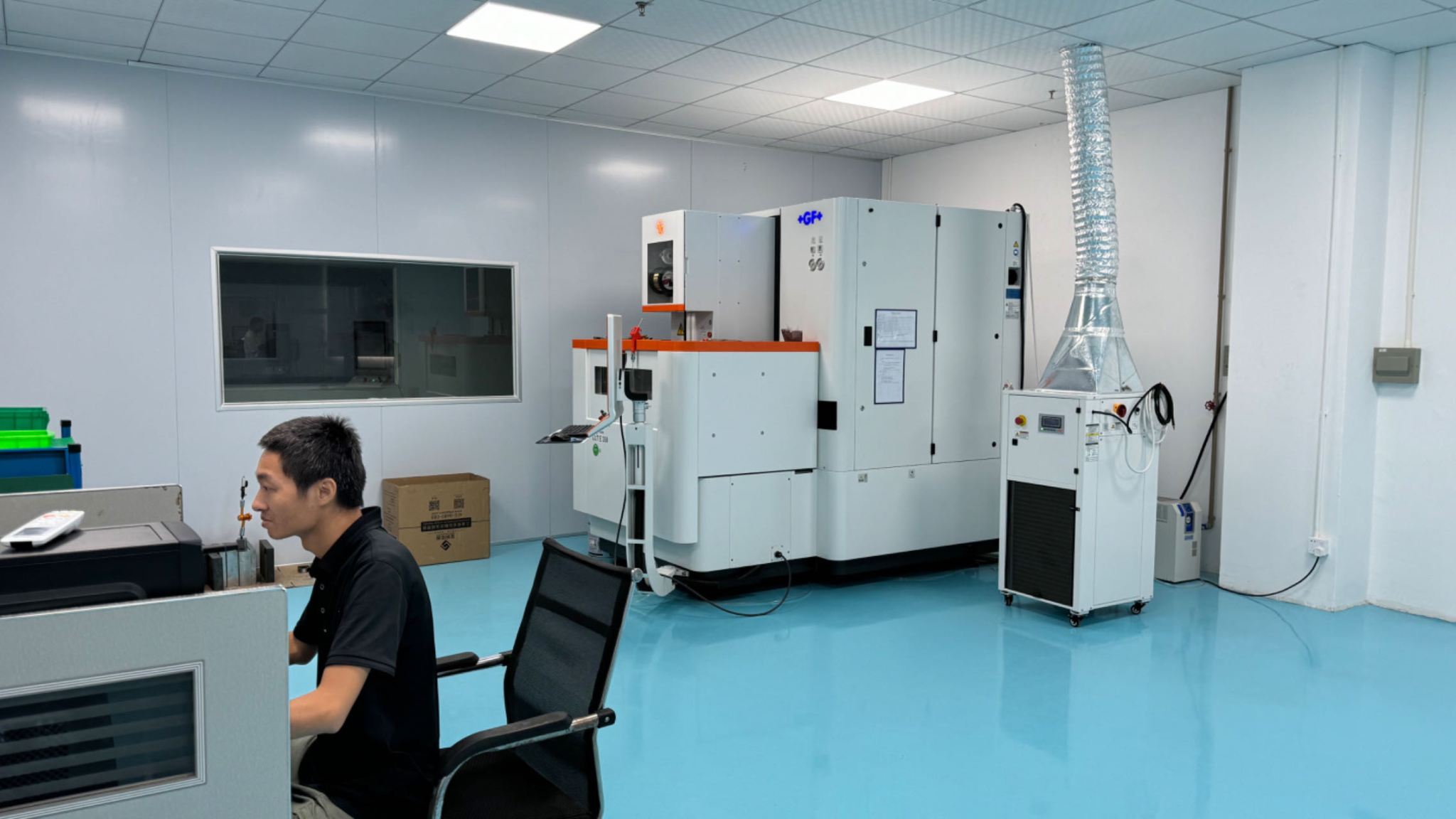 Slow-feeding NC wire-cut machine
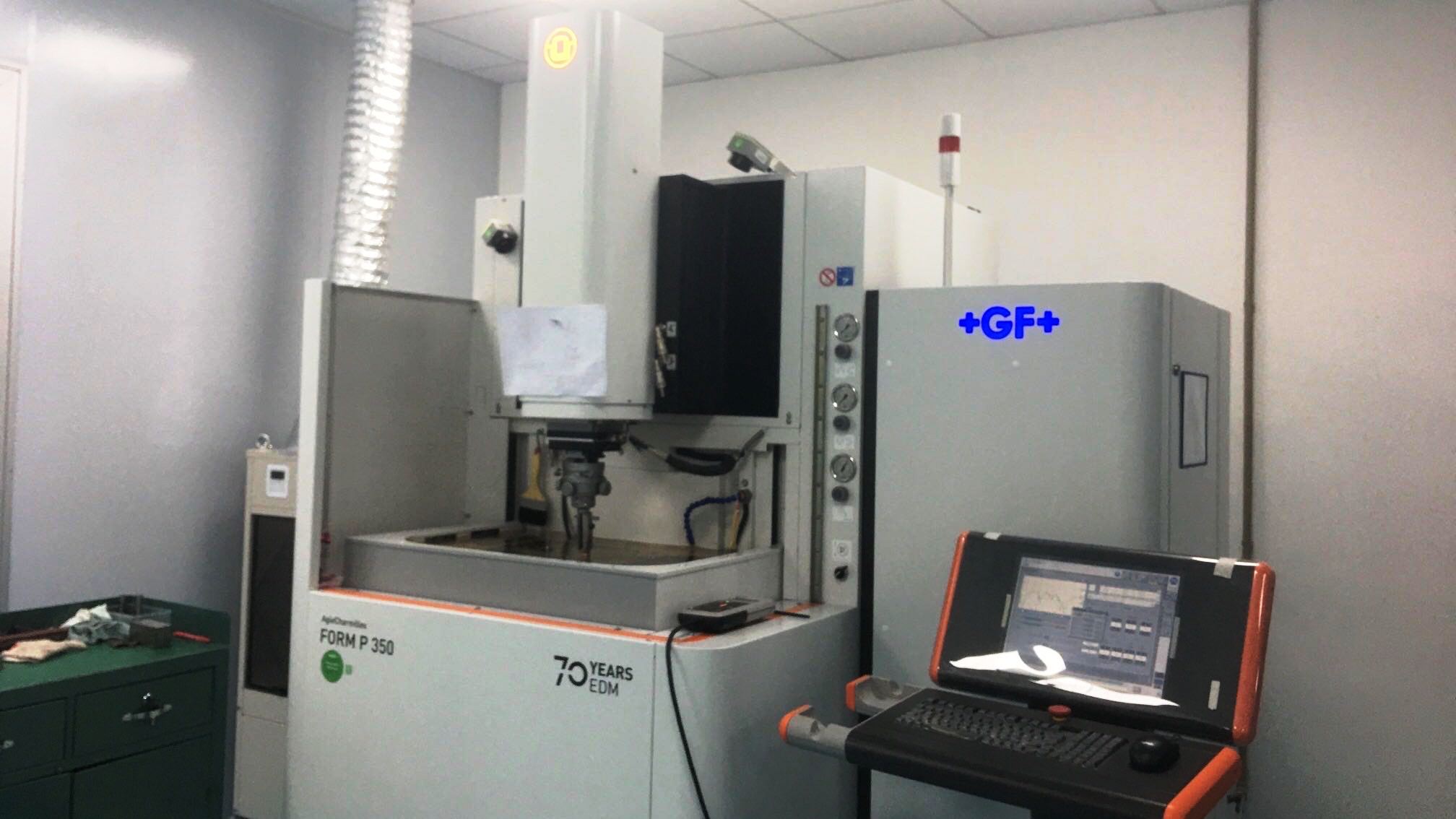 EDM
EDM
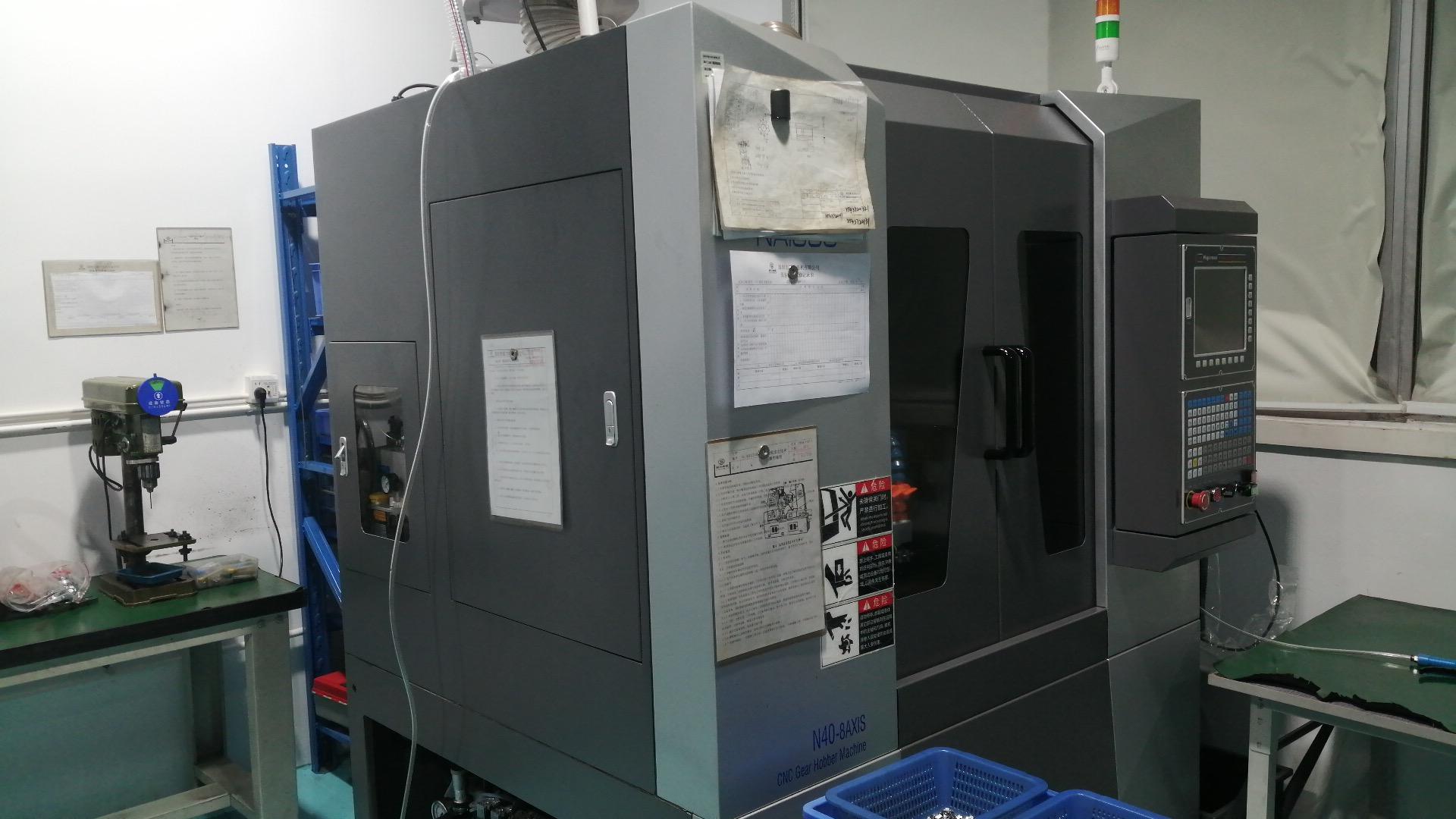 Hobbing Machine
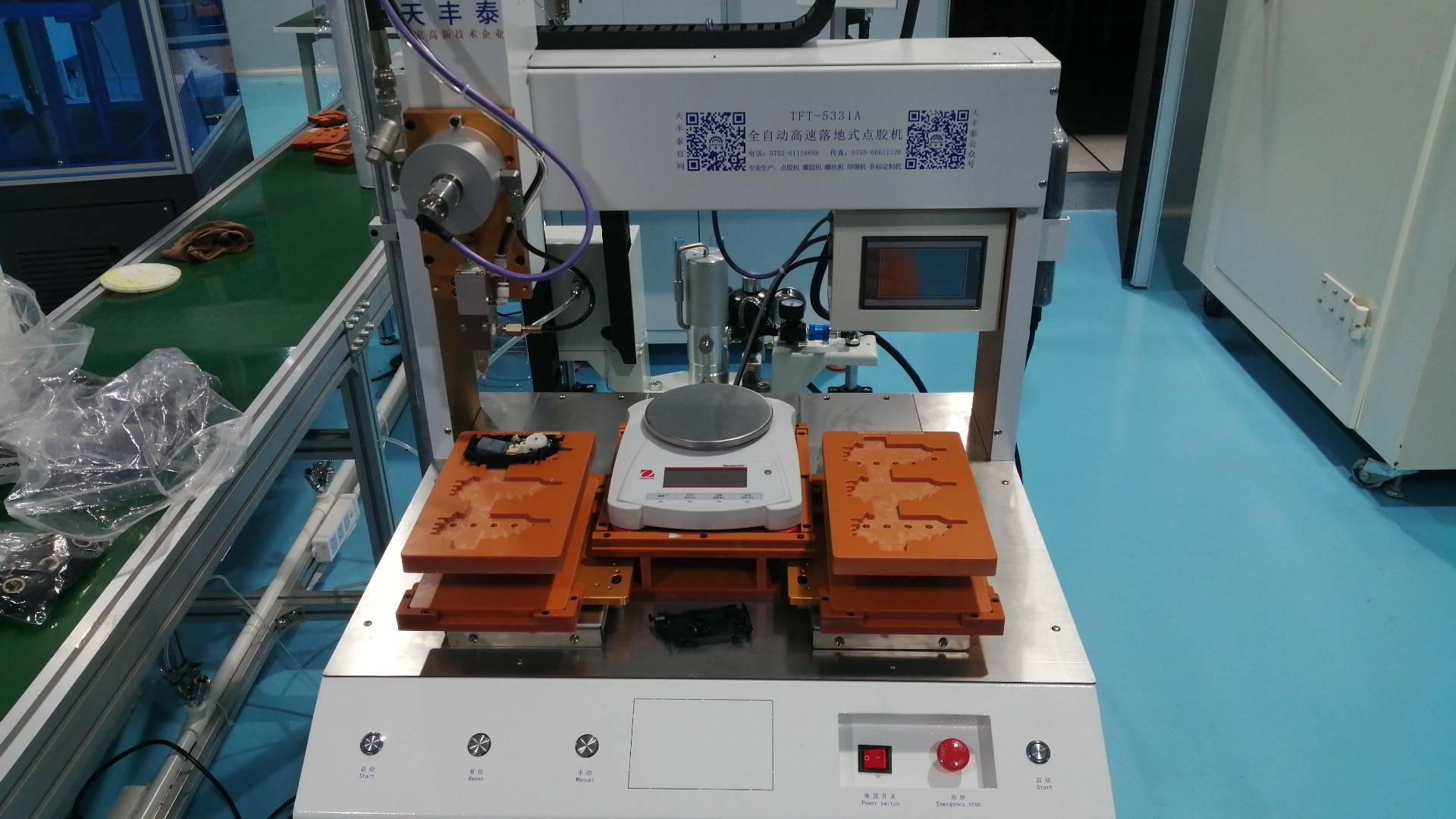 Glue Dispenser
Every motor batch undergoes rigorous quality gates to verify electromagnetic compliance, environmental endurance, and acoustics.
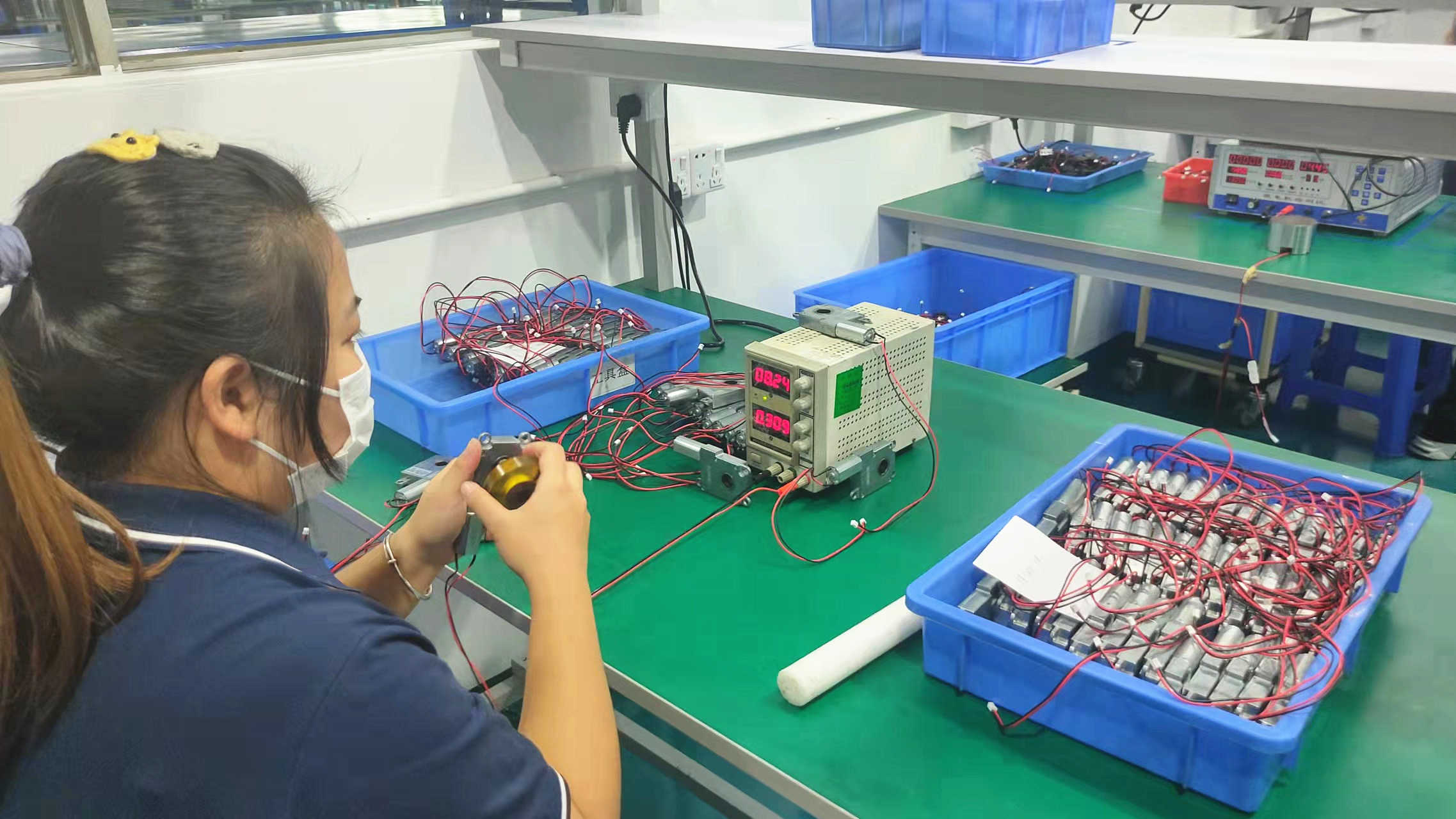 Qc Checking
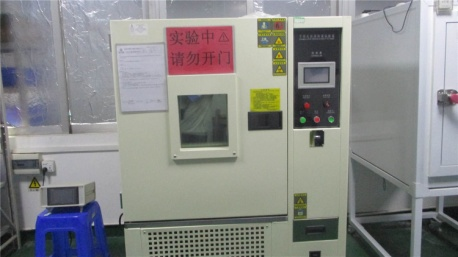 Constant Temp & Humidity Chamber
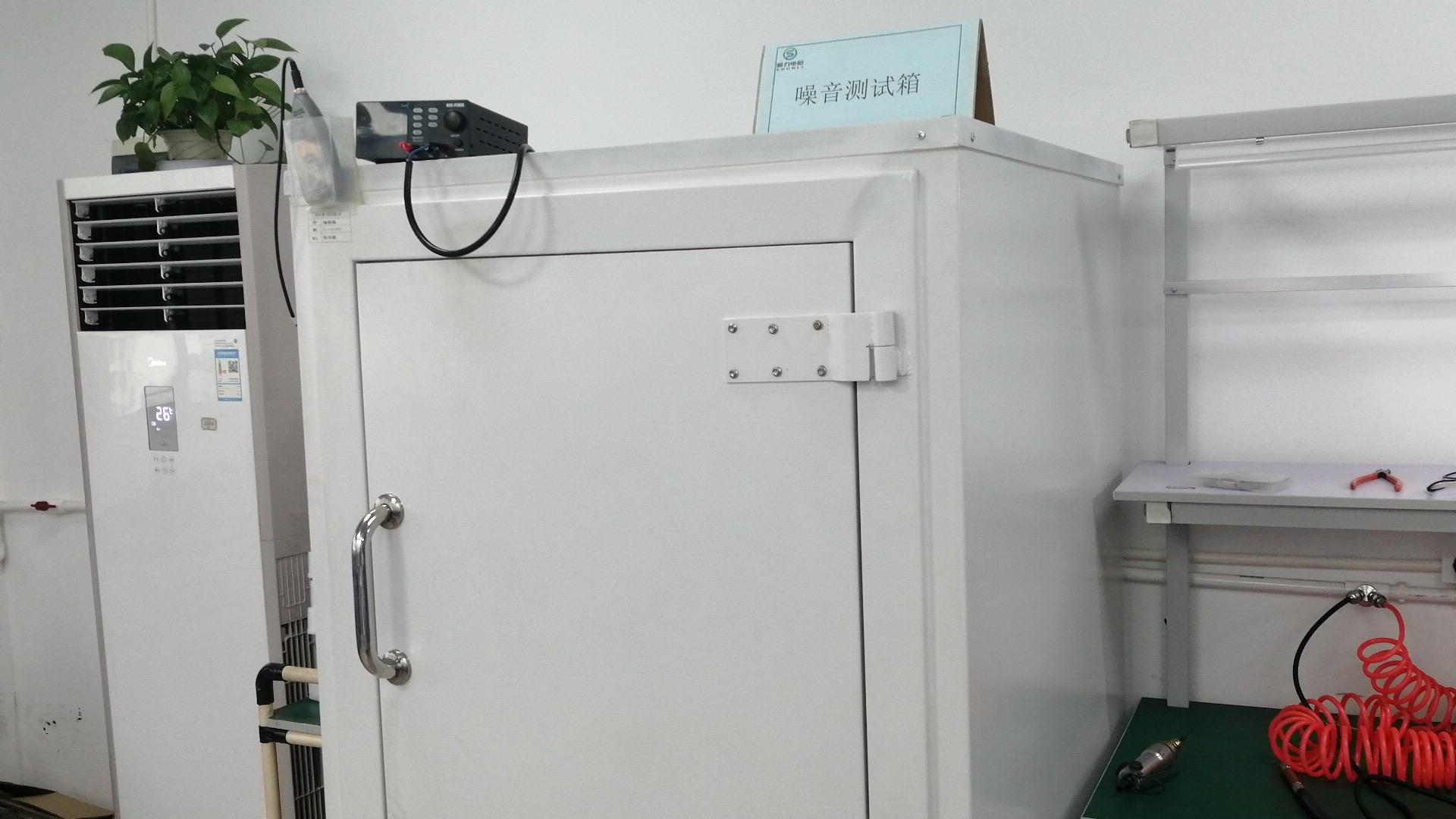 Noise Testing Chamber
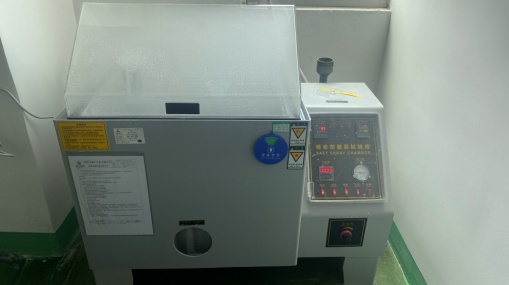 Salt Spray Testing Machine
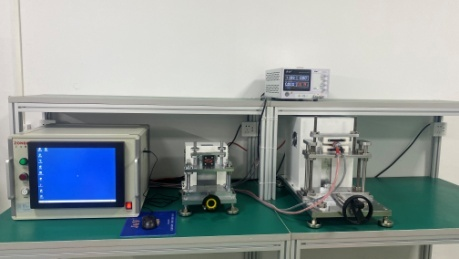 Dynamometer Machine
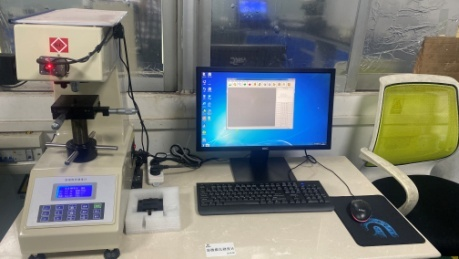 Hardness Tester
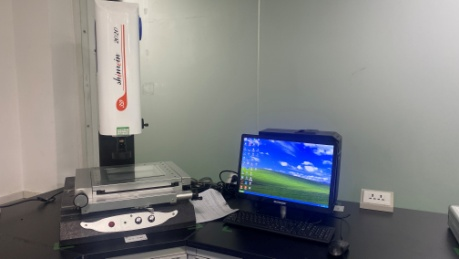 Video Measuring Instrument
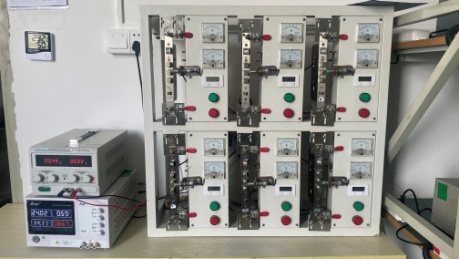 Aging Shelf
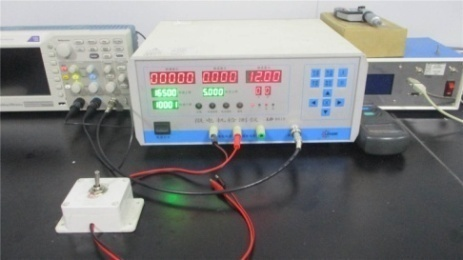 Motor Testing Machine
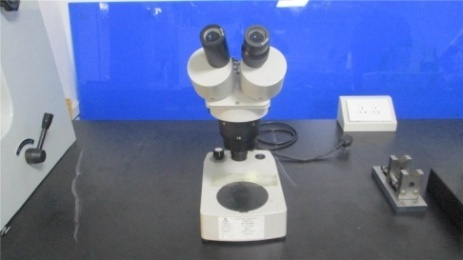 Microscope
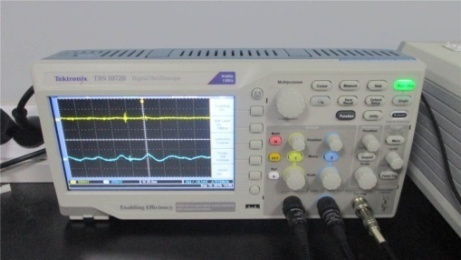 Digital Oscilloscope
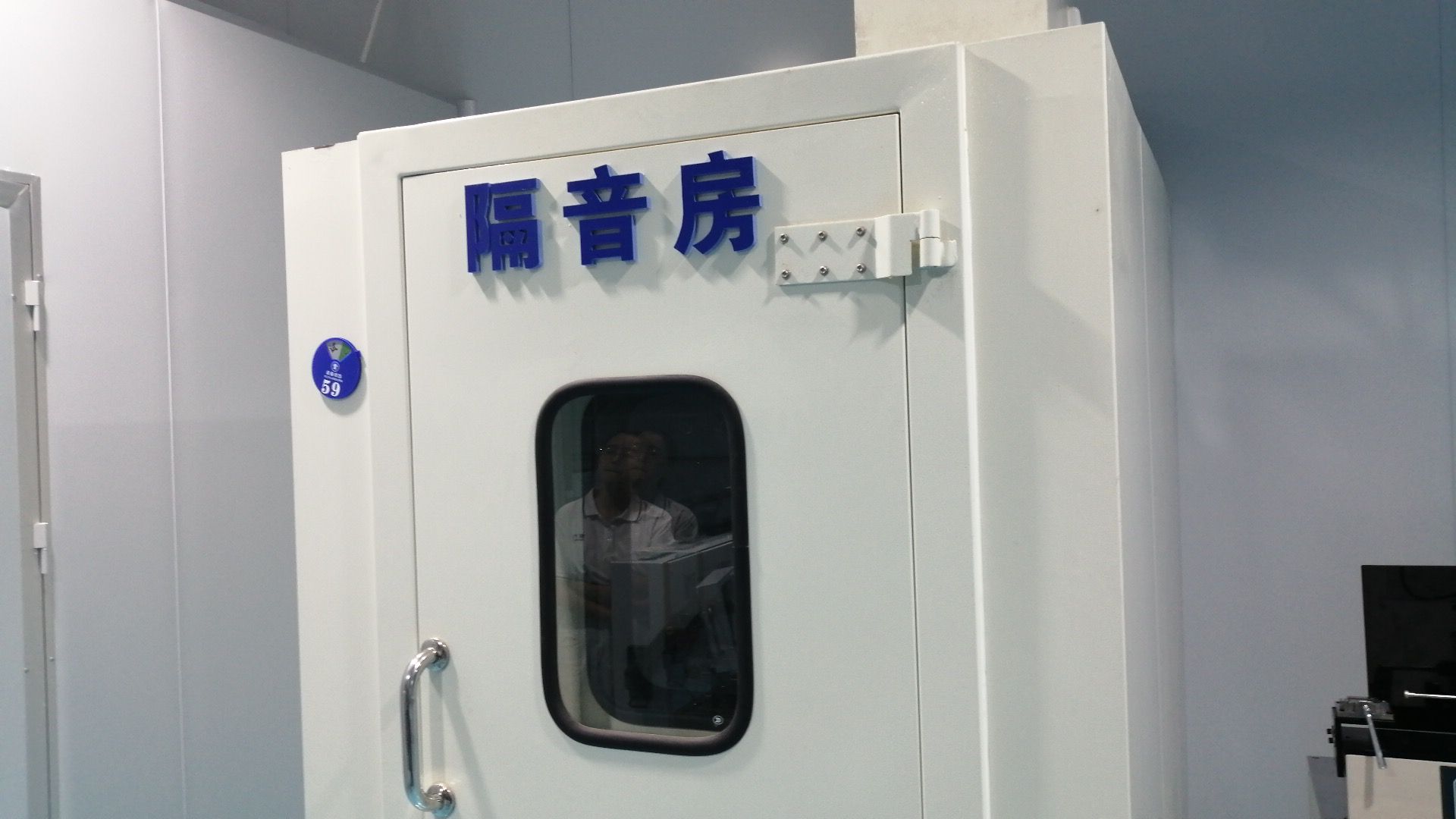 Soundproof Room
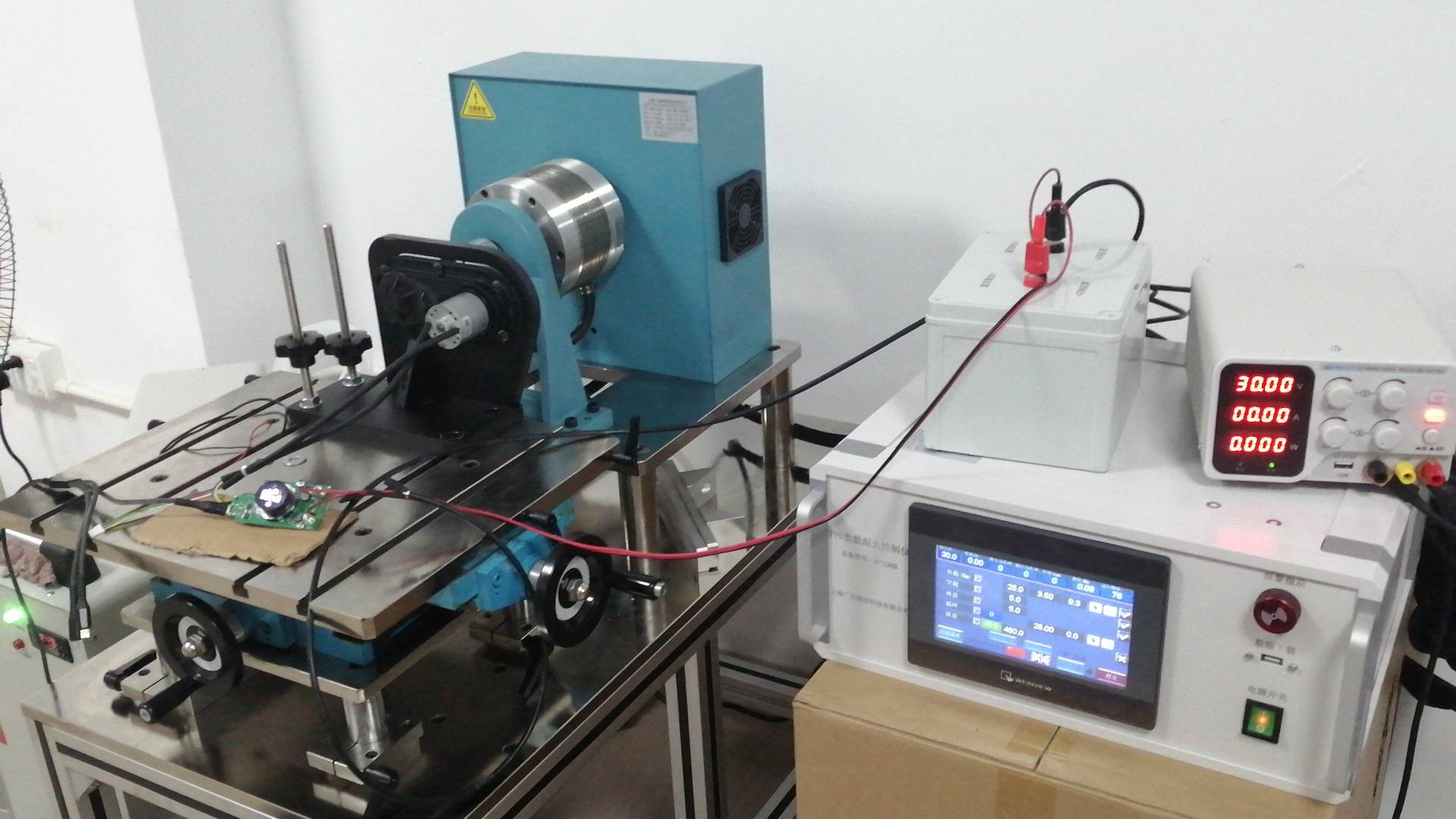 Magnetic Powder Testing Machine
Mitigating electromagnetic radiation at the source requires state-of-the-art simulation models during the design phase. By implementing 3D FEA (Finite Element Analysis) magnetic modeling tools, our engineers visualize dynamic flux paths and structure the motor housing thickness to guarantee magnetic containment.
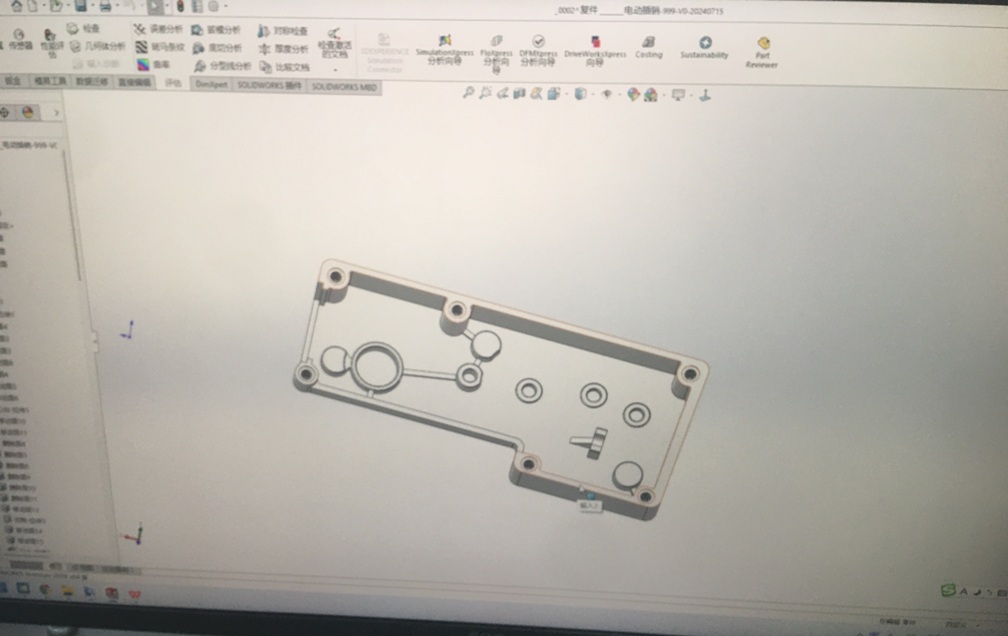 Design Department
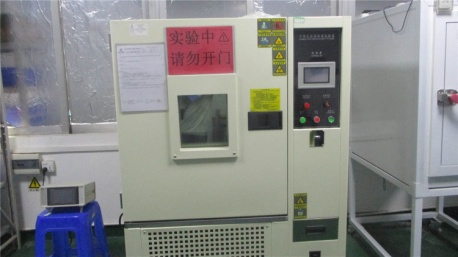 Constant Temp Testing
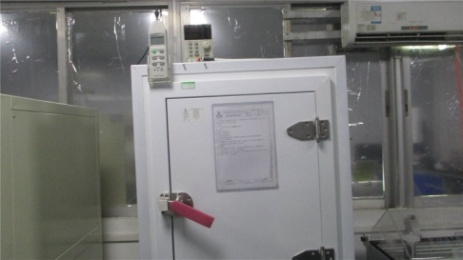 Noise Testing Chamber
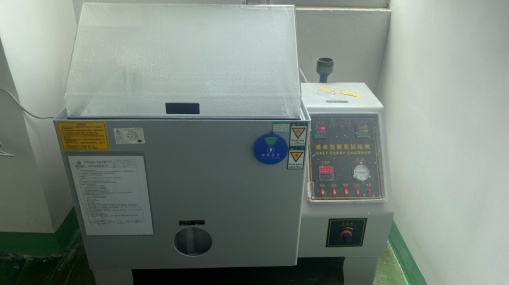 Salt Spray Chamber
The trajectory of micro-motion control is clear: smaller components, integrated driver stages, and zero external magnetic signatures. Our current R&D focus covers three critical pillars:
Integrating manufacturing with strategic supply hubs allows WICCA to mitigate geopolitical logistics delays. China represents the most mature raw material supply chain for permanent magnets (specifically NdFeB - Neodymium Iron Boron), precision silicon steel sheet stamping, and high-purity enameled copper wires.
By localizing all processing steps—from tool die fabrication using slow-feeding NC wire-cut machines and EDMs to final component assembly and magnetic powder verification—we guarantee continuous supply availability, stable unit economics, and custom design lead times that are 40% faster than Western counterparts.
Every motor batch meets international regulatory mandates, including CE, RoHS compliance, and REACH standards, ensuring smooth entry into European and North American consumer electronics markets.
Rapid prototyping utilizing internal milling, lathing, and CNC machinery lets us deliver custom shaft profiles and modified gear ratios within 10 to 15 working days.
Equipped with dedicated Soundproof Rooms and Magnetic Powder Testing systems, we physically quantify motor acoustic noise levels and leakage flux patterns before shipment.
Answers to common engineering questions regarding shielding, electromagnetic interference, and micro motor design optimization.
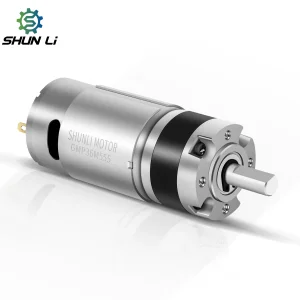
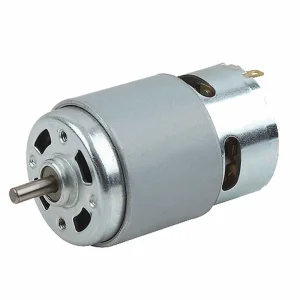
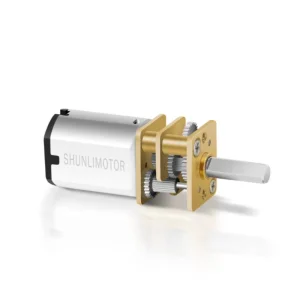
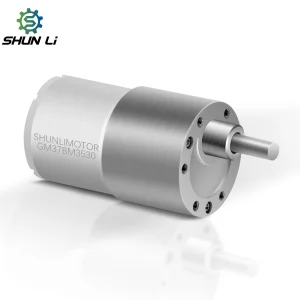
High-torque gearboxes, planetary micro-actuators, and specialty dc assemblies designed for continuous duty cycles and challenging environments.
 WICCA Motor