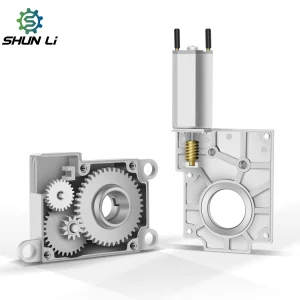
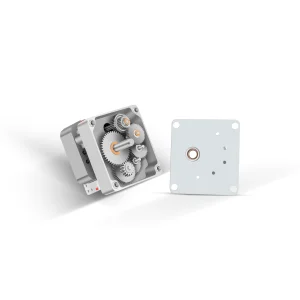
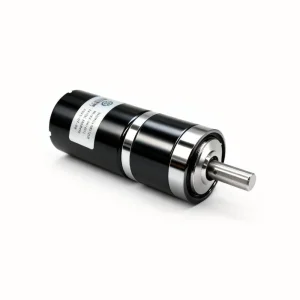
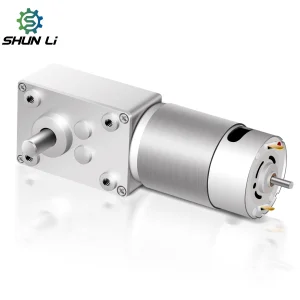
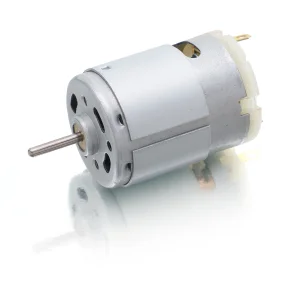
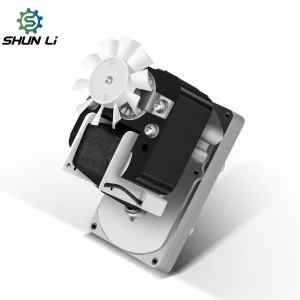
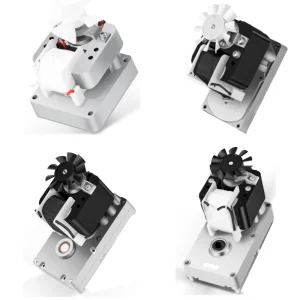
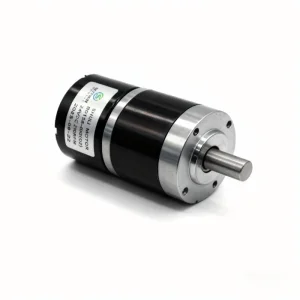
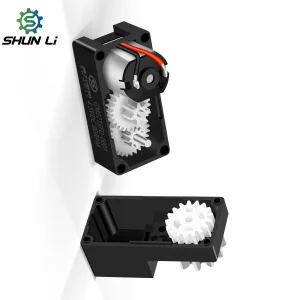
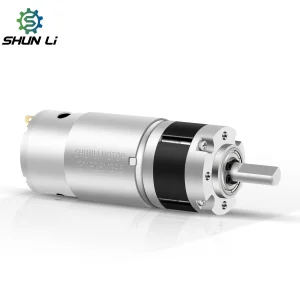
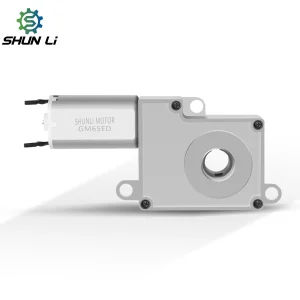
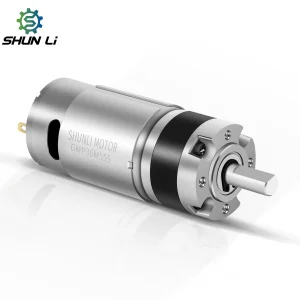
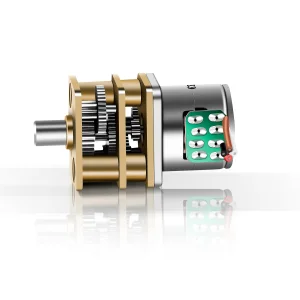
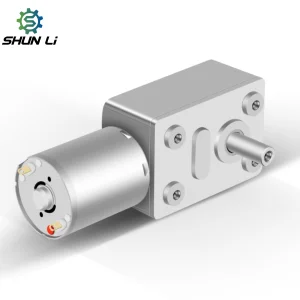
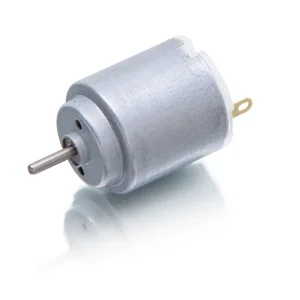
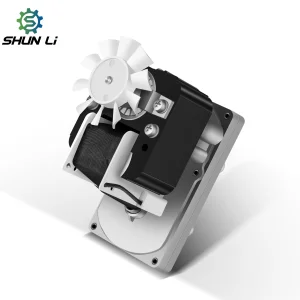
Discover our high-torque, low-noise electromagnetic solutions engineered to operate reliably in highly challenging micro-environments, industrial sub-assemblies, and precision fluid controllers.
Open up a premium smart door lock, a high-end medical pump, a robotic cleaner, or an automotive electronic seat—and you’ll likely find the silent, reliable pulse of a WICCA Motor.
We don’t just build hardware; we power the user experiences that define your brand. Our micro DC and brushless motors are engineered to be invisible—operating with ultra-low noise, high energy efficiency, and a compact footprint that allows product designers to push the limits of their industrial design. When your product’s reputation relies on flawless, repeated mechanical motion, WICCA Motor delivers the precision engineering that keeps your customers happy.
 Precision Rotor Assembly Area
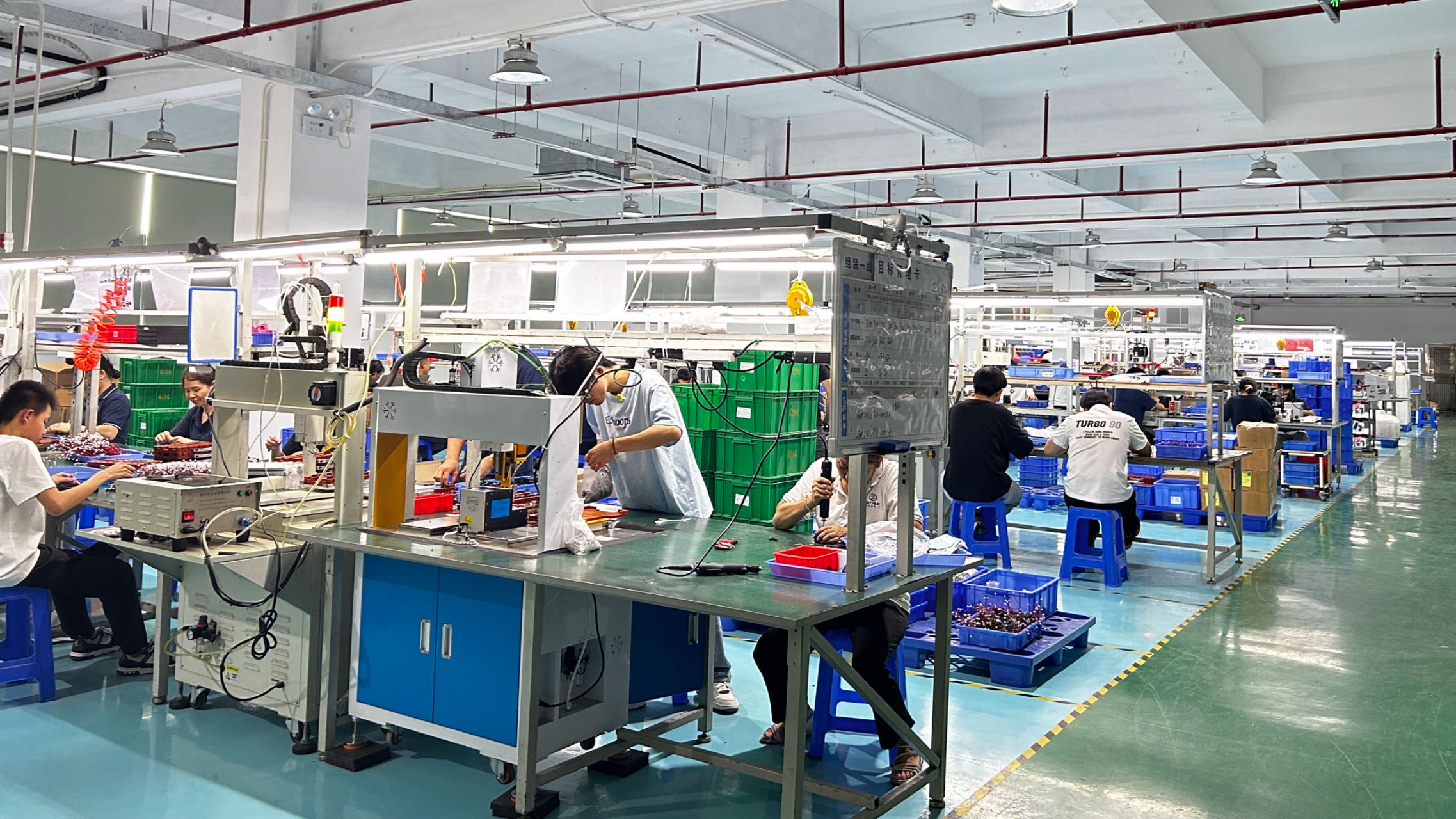 Micro DC Gearbox Integration
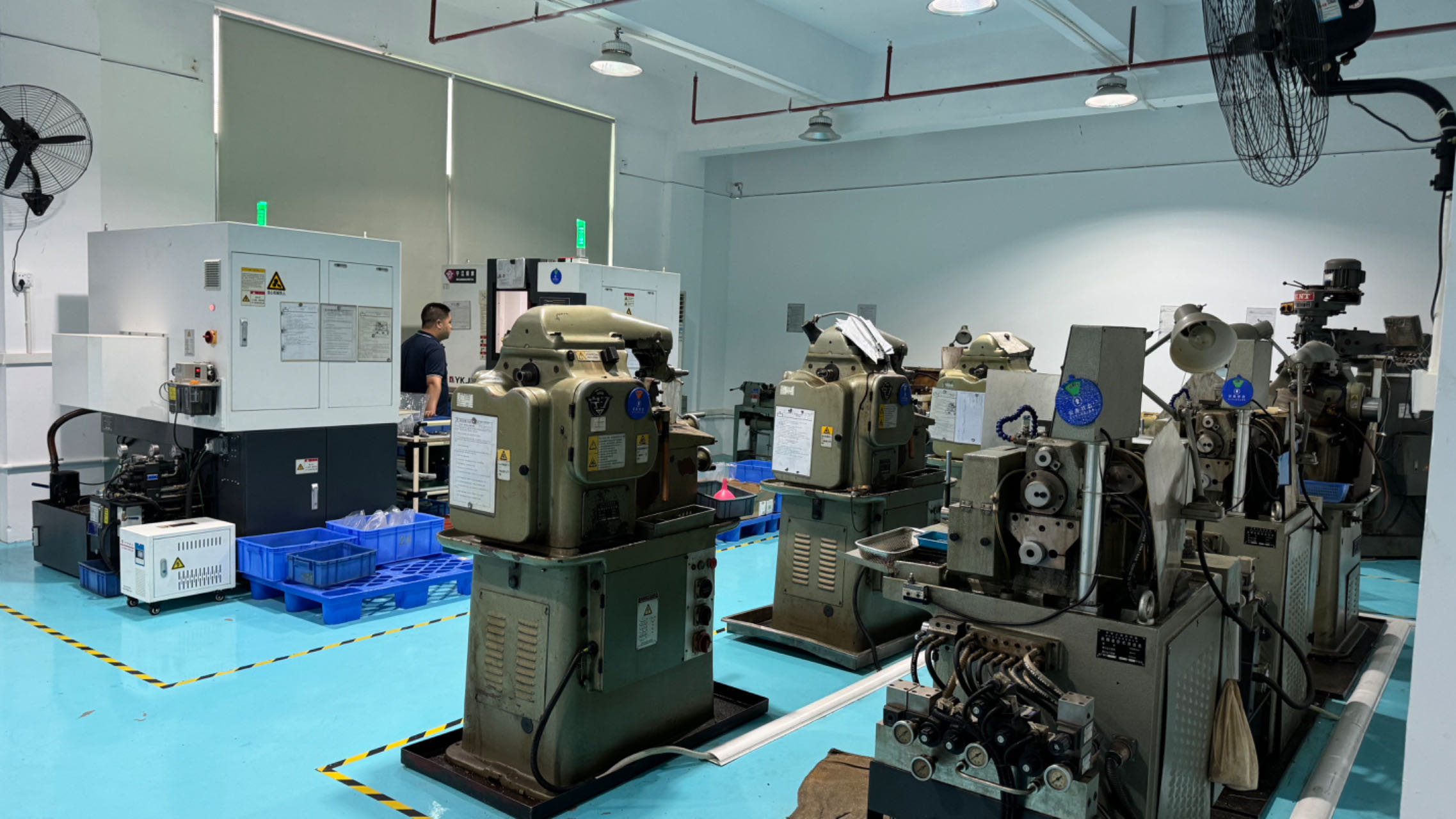 Automated Armature Stinding Line
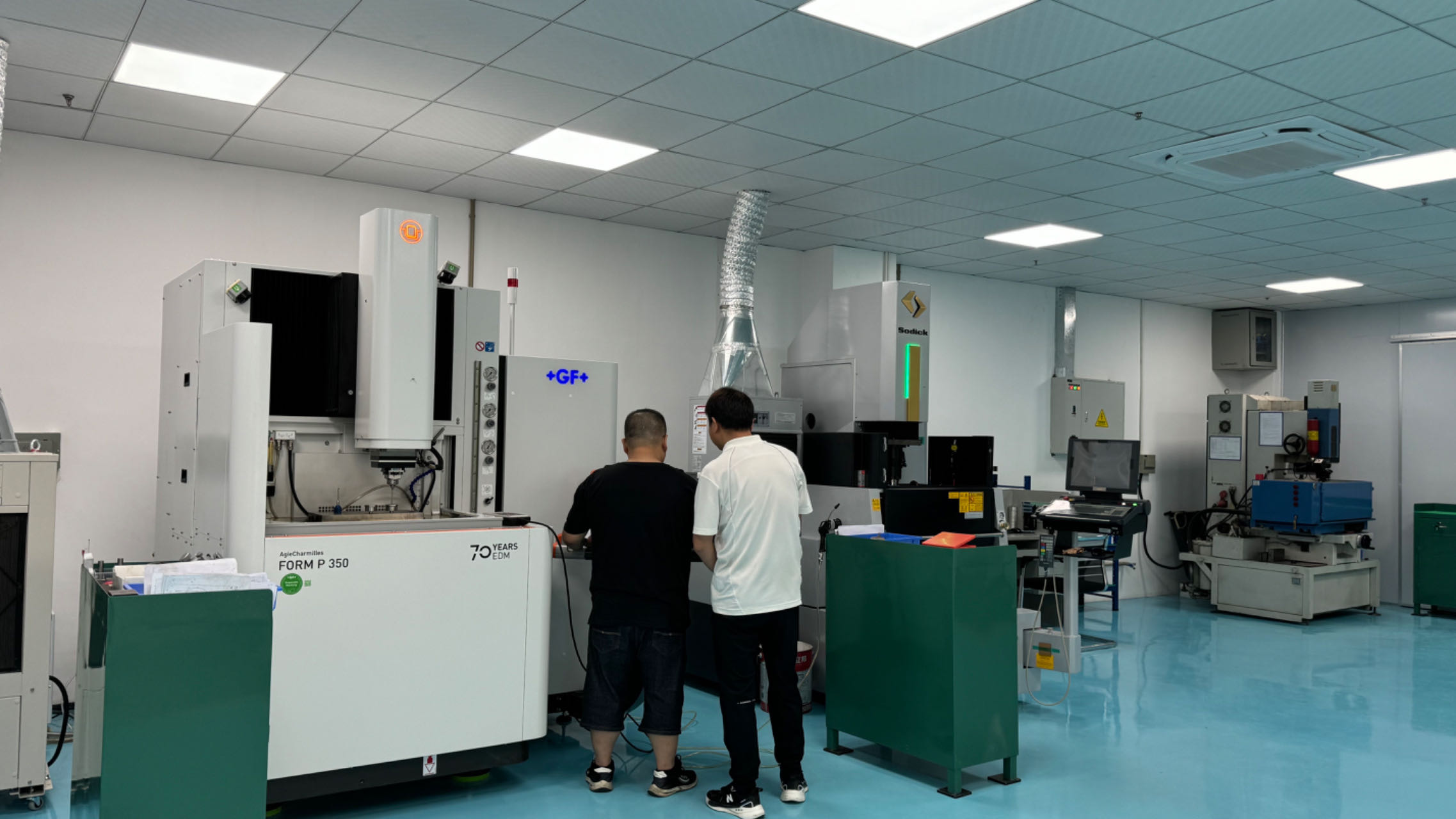 Clean Room Production Space
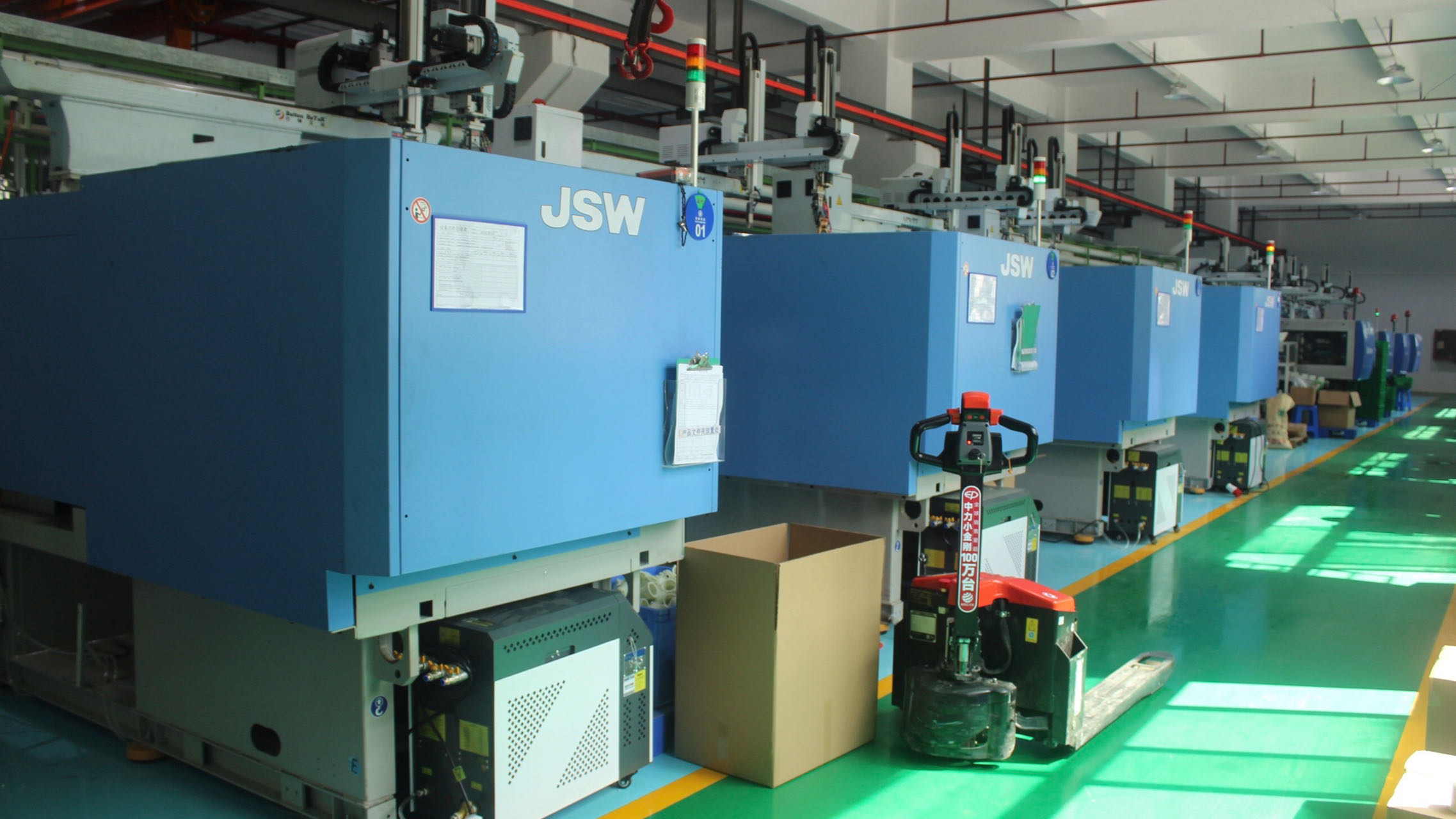 Encapsulated Brushless Motor Line
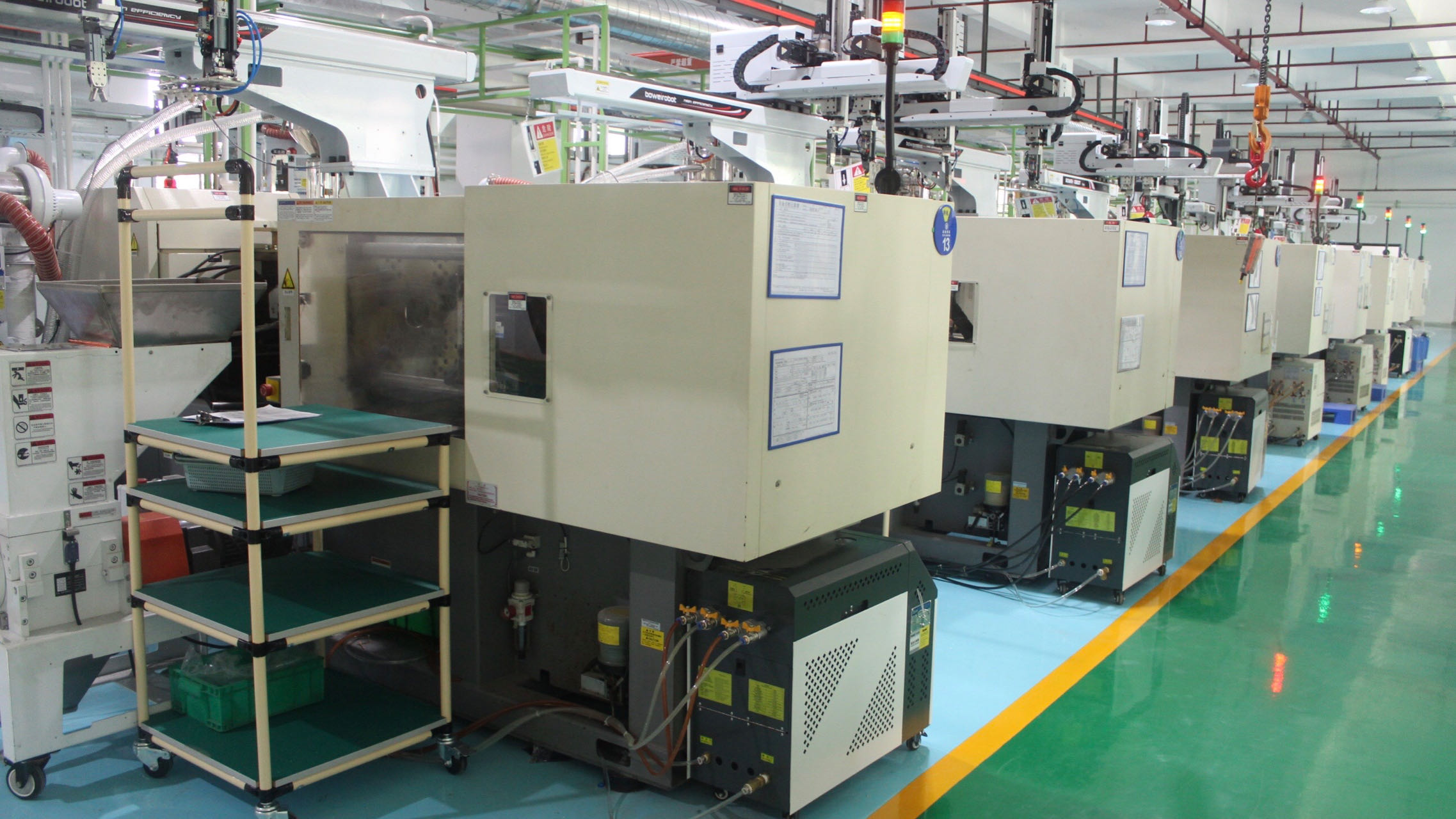 Final Product Customization Lab
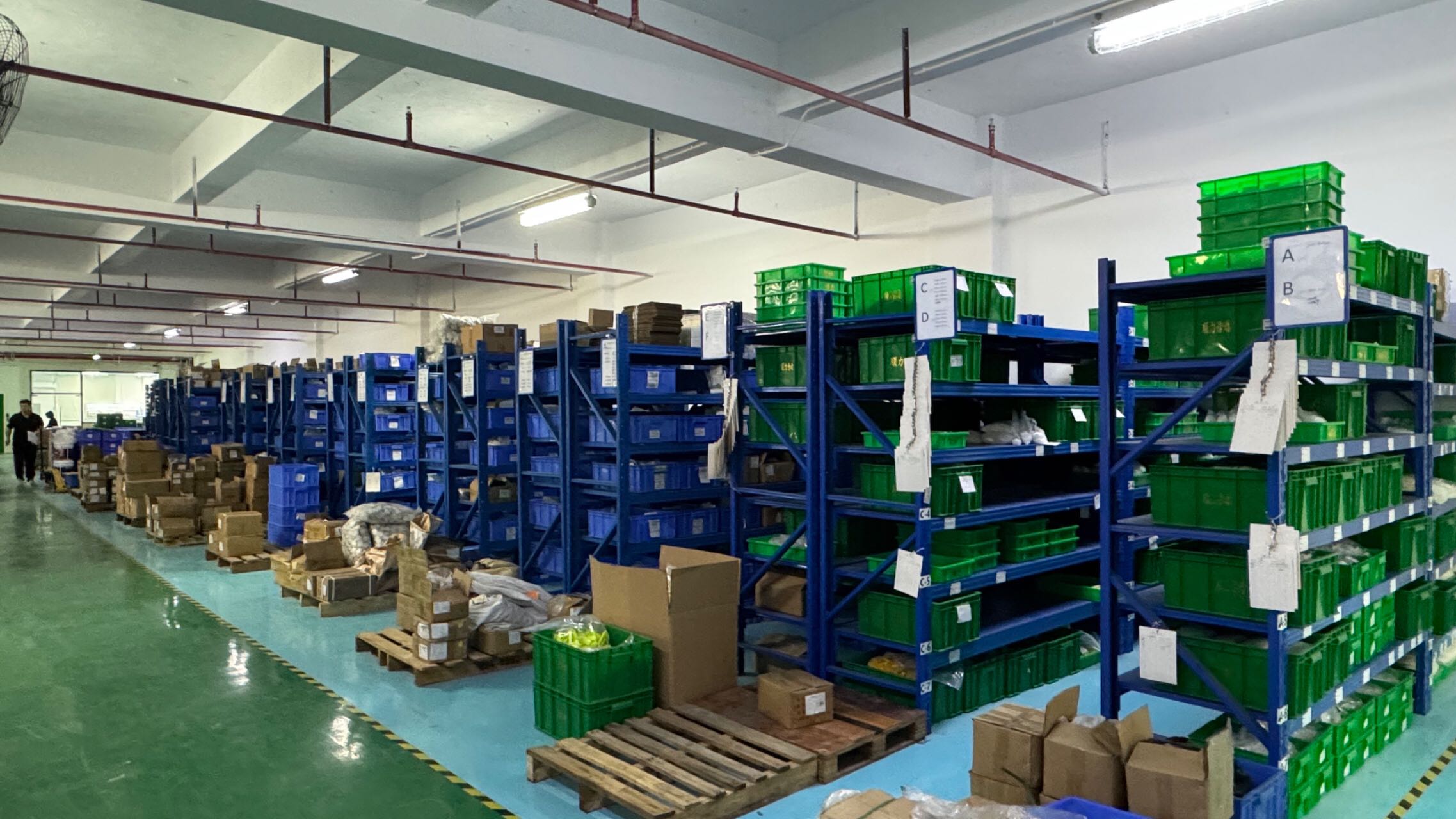 Precision Testing & Diagnostic Hub
Submersible motors represent a pinnacle of electromechanical engineering, designed to operate under hydrostatic pressure and withstand harsh chemical or physical exposure. Globally, the demand for highly reliable, CE-certified submersible motors is expanding rapidly due to growing investments in municipal wastewater treatment, offshore energy exploration, deep-well agricultural irrigation, and automated residential smart systems.
For modern industrial applications, achieving CE certification is not merely a legal formality; it is a testament to the safety, electromagnetic compatibility (EMC), and thermal safety thresholds of the drive system. Submerged operating conditions present extreme thermal dynamics: the surrounding fluid acts as a heat sink, but should the system run dry or the fluid flow diminish, the motor must rely on its built-in thermal protection to prevent catastrophic stator failure. This is why top-tier global manufacturers invest heavily in automated testing infrastructure to monitor stator insulation resistance, torque outputs under load, and hermetic sealing integrity.
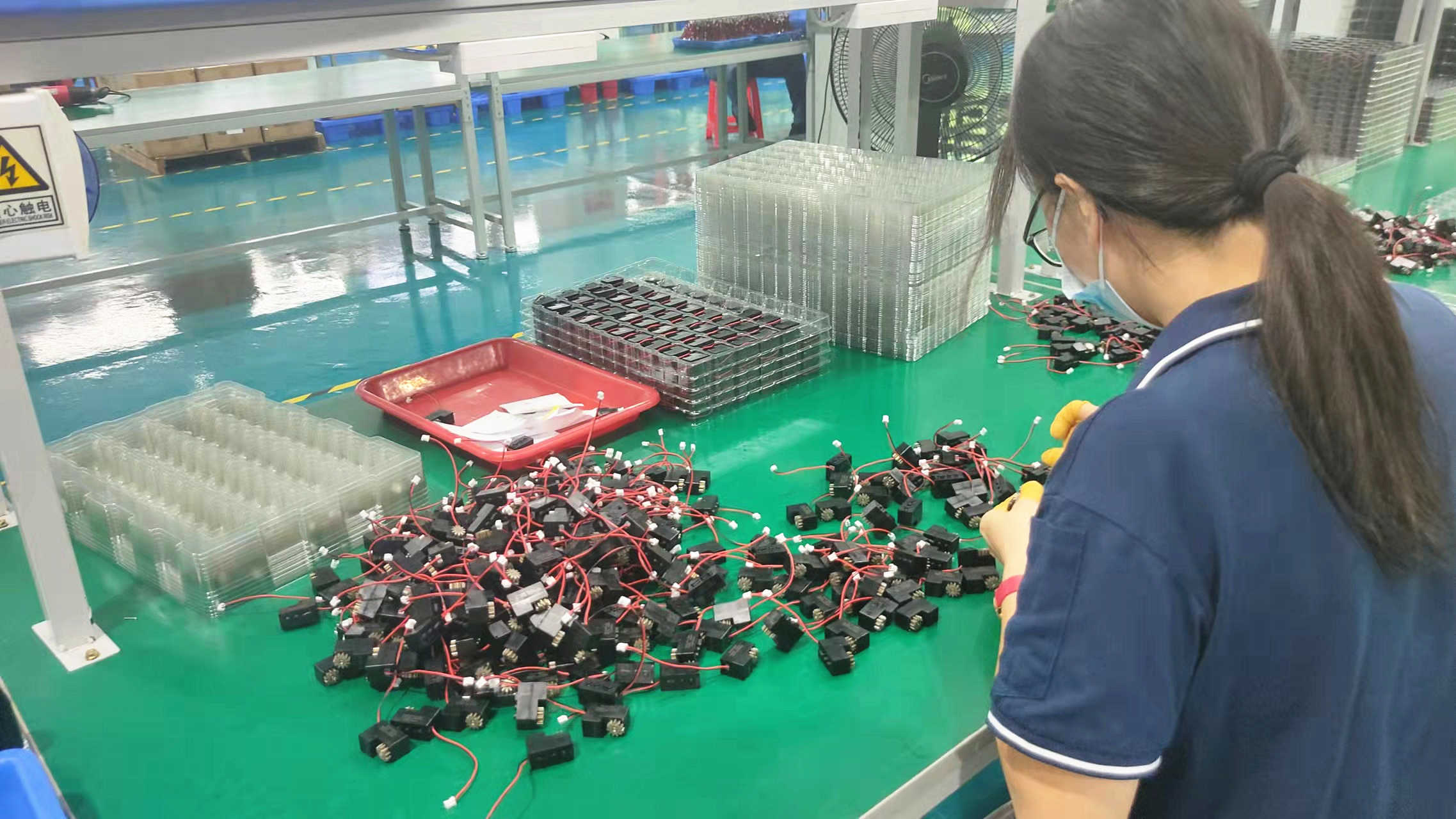
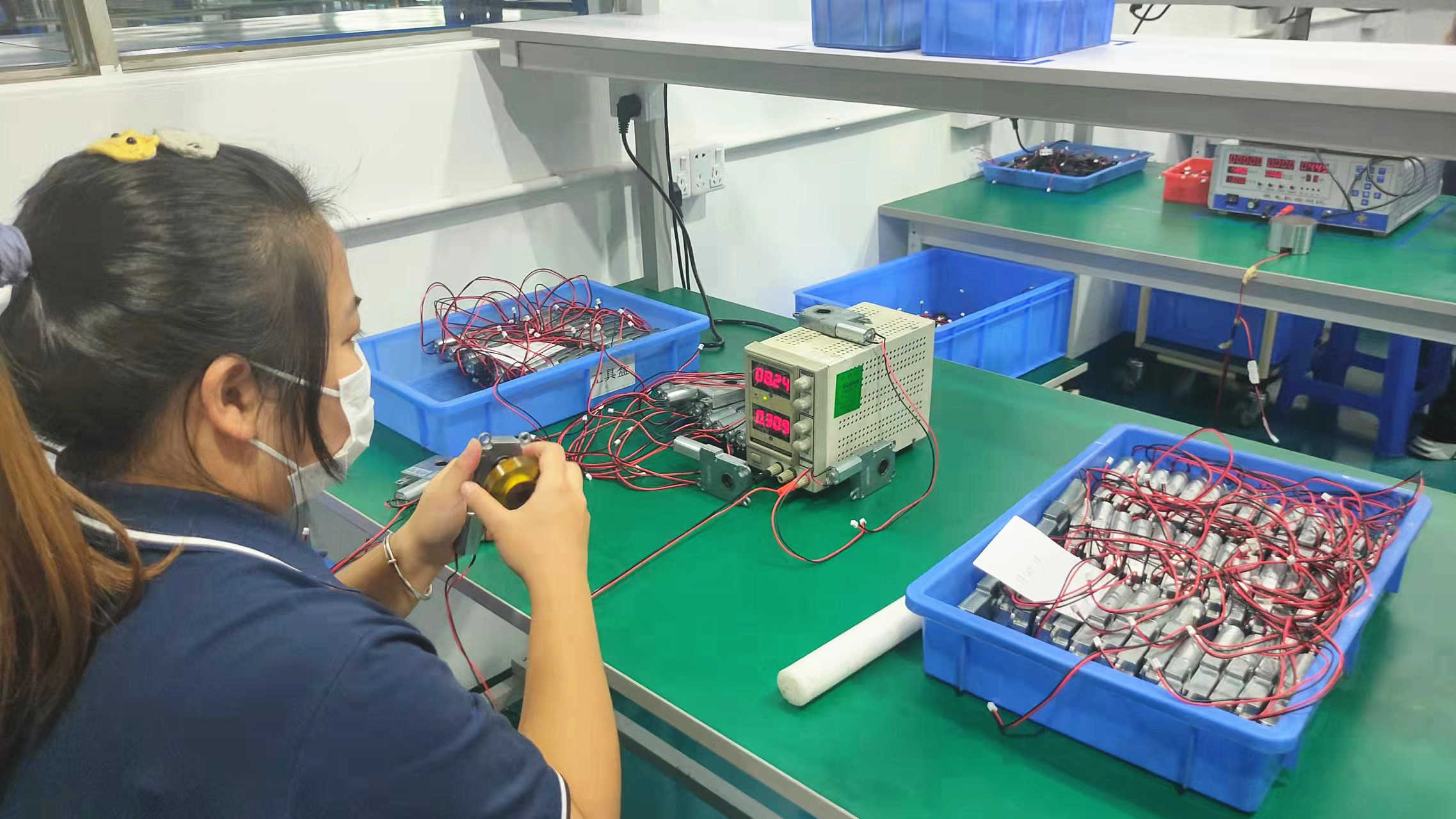
A look behind the scenes of our integrated assembly lines shows our commitment to process control at every critical junction. From raw material sourcing to precise machining, encapsulation, and hermetic verification, each step is optimized to exceed international manufacturing standards.
 Raw Material Verification
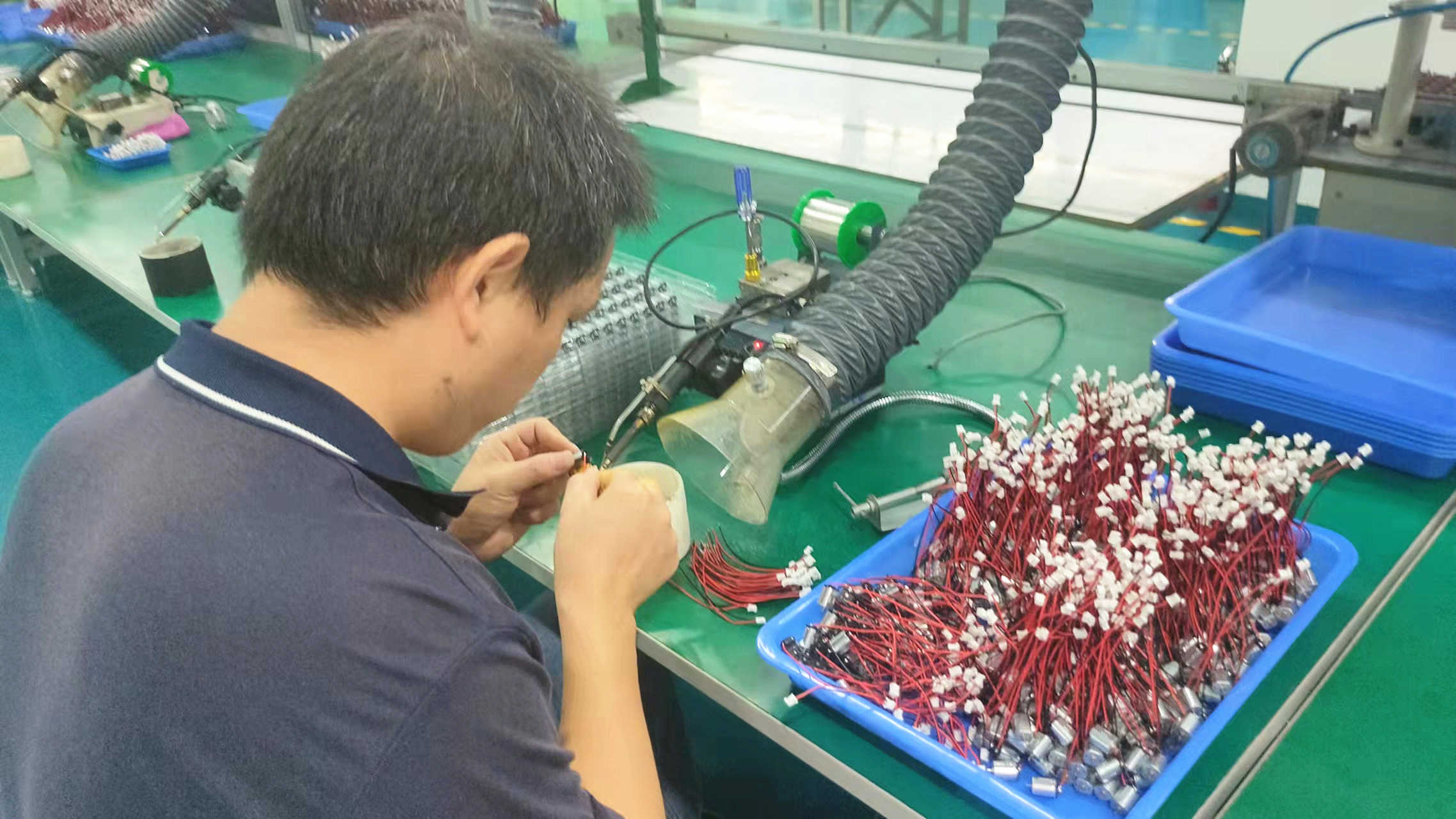 Automatic Soldering
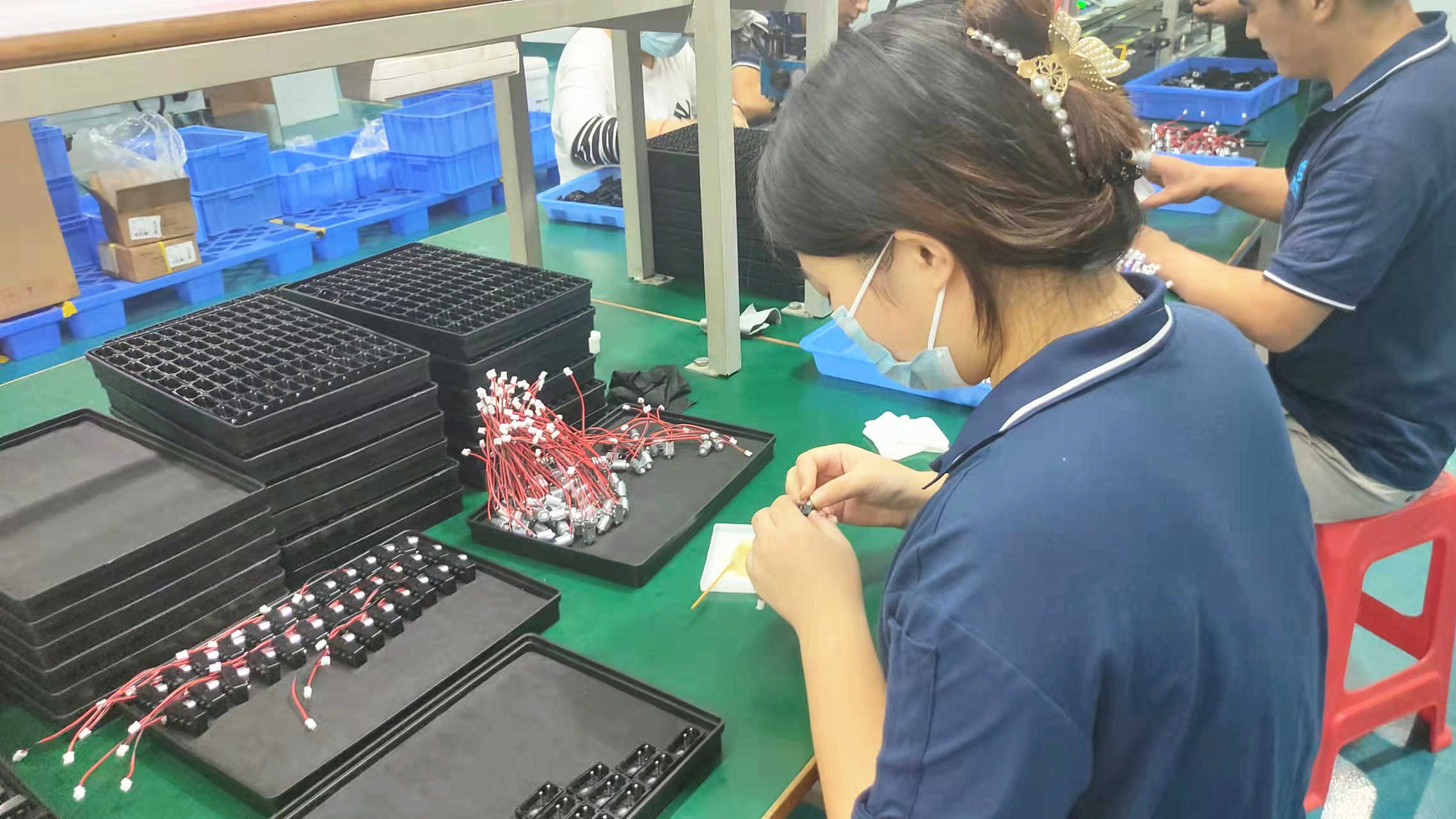 Assembling & Alignment
 Automated Performance Testing
 Eco-Friendly Packing
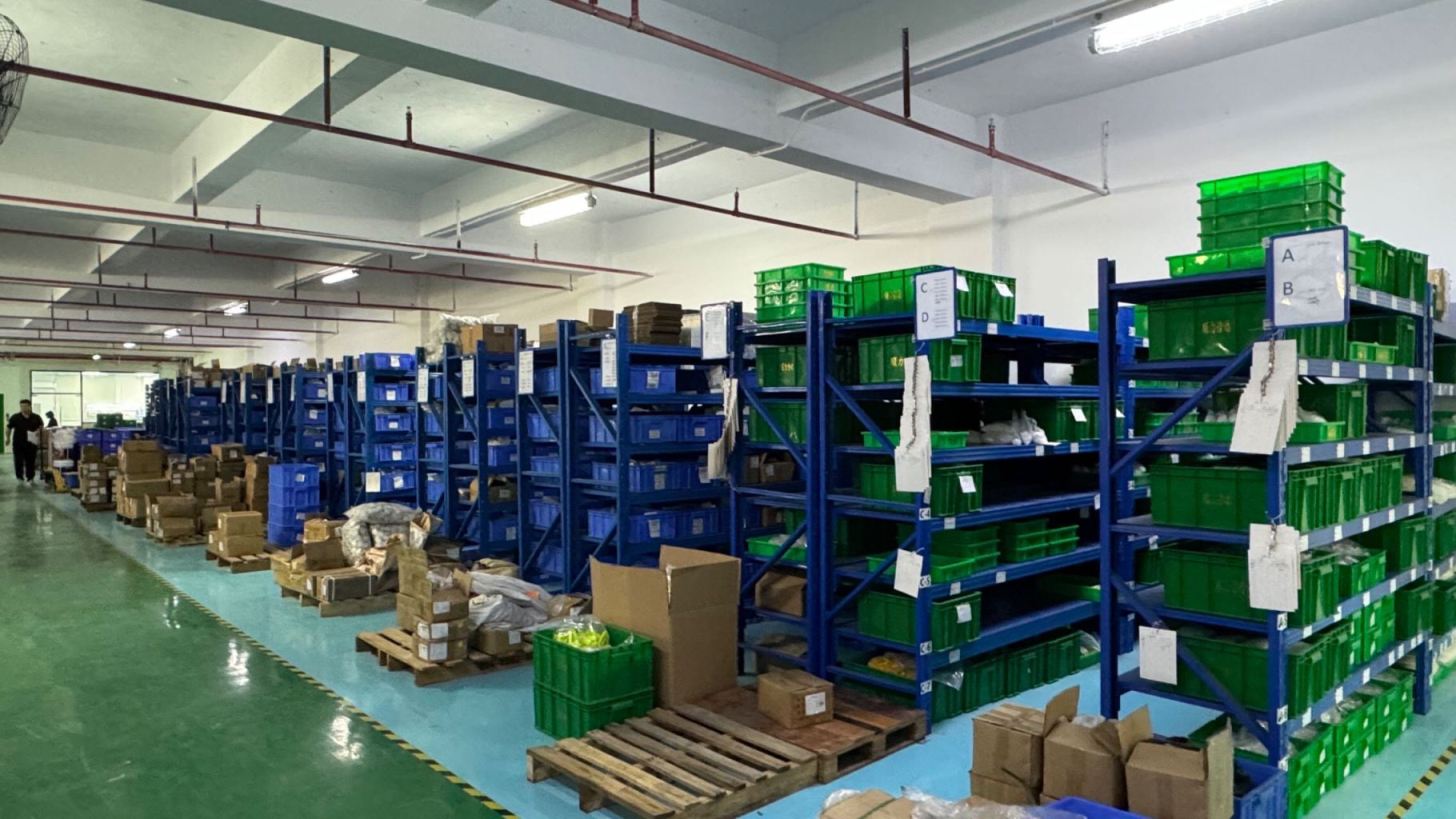 Humidity-Controlled Storage
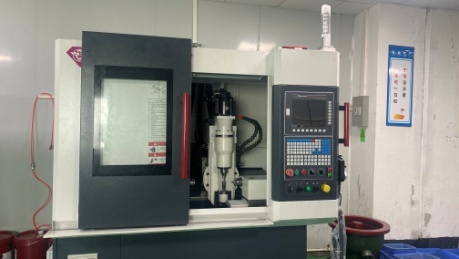 NINGJIANG MACHINE TOOL
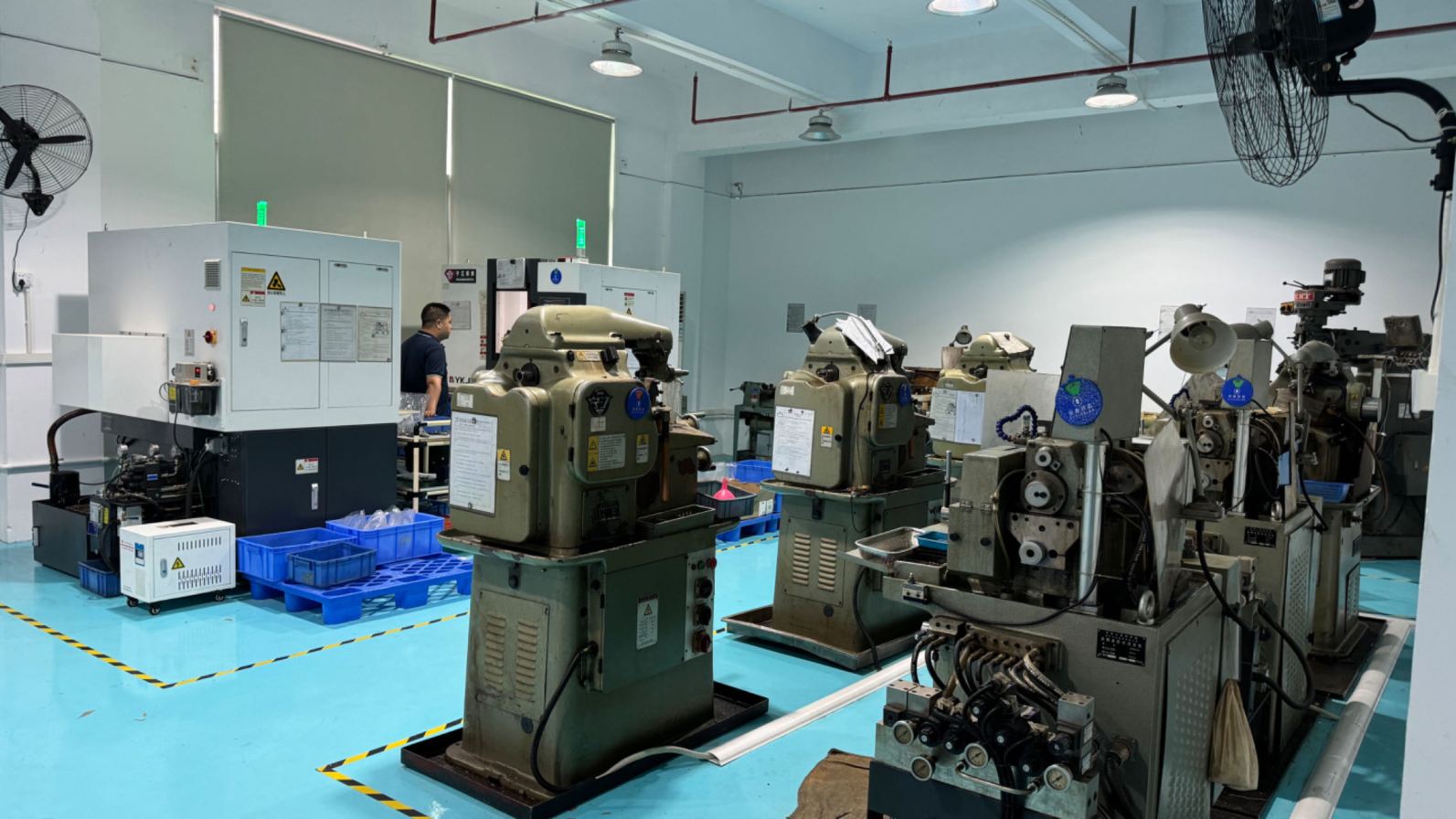 High Precision Horizontal Gear Hobbing Machine
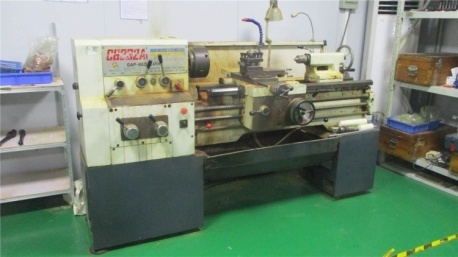 Lathing Machine
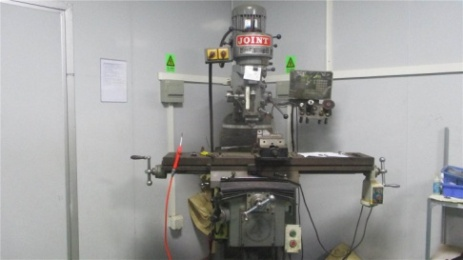 Milling Machine
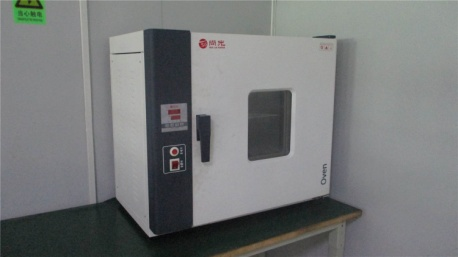 Drying Oven
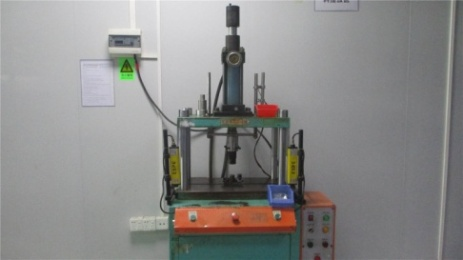 Automatic Gear Riveting Machine
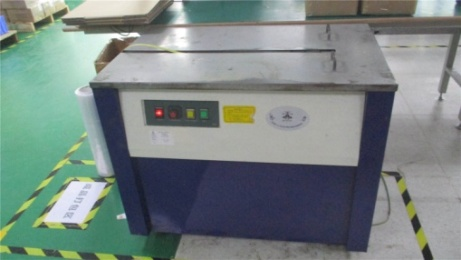 Packing Machine
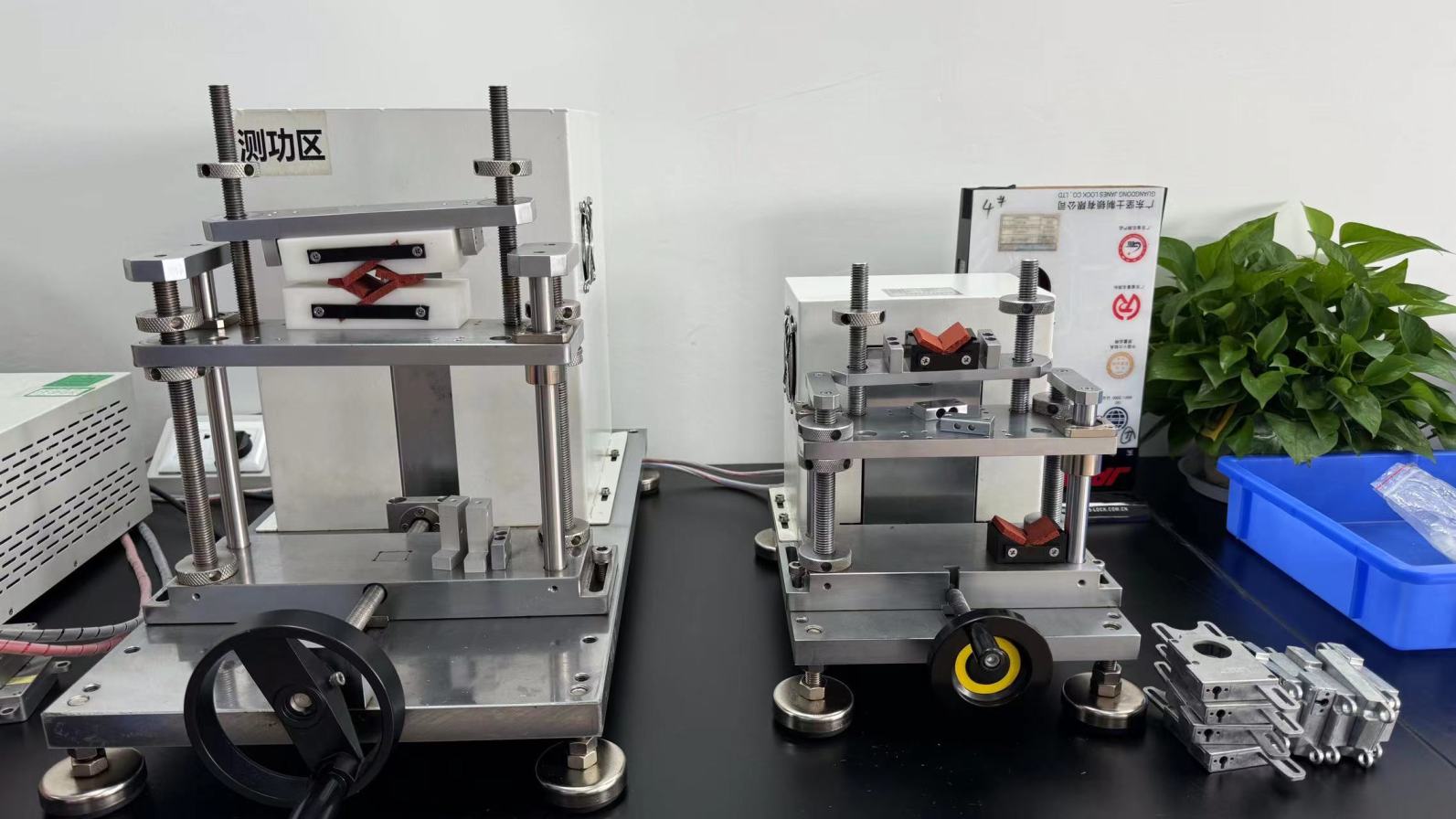 Pneumatic Pressing Machine
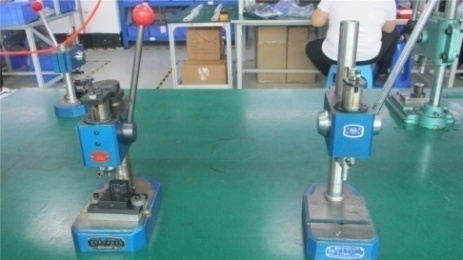 Manual Pressing Machine
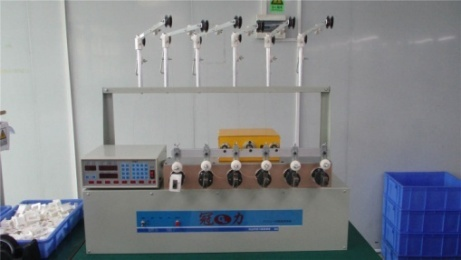 Computer Wire Winding Machine
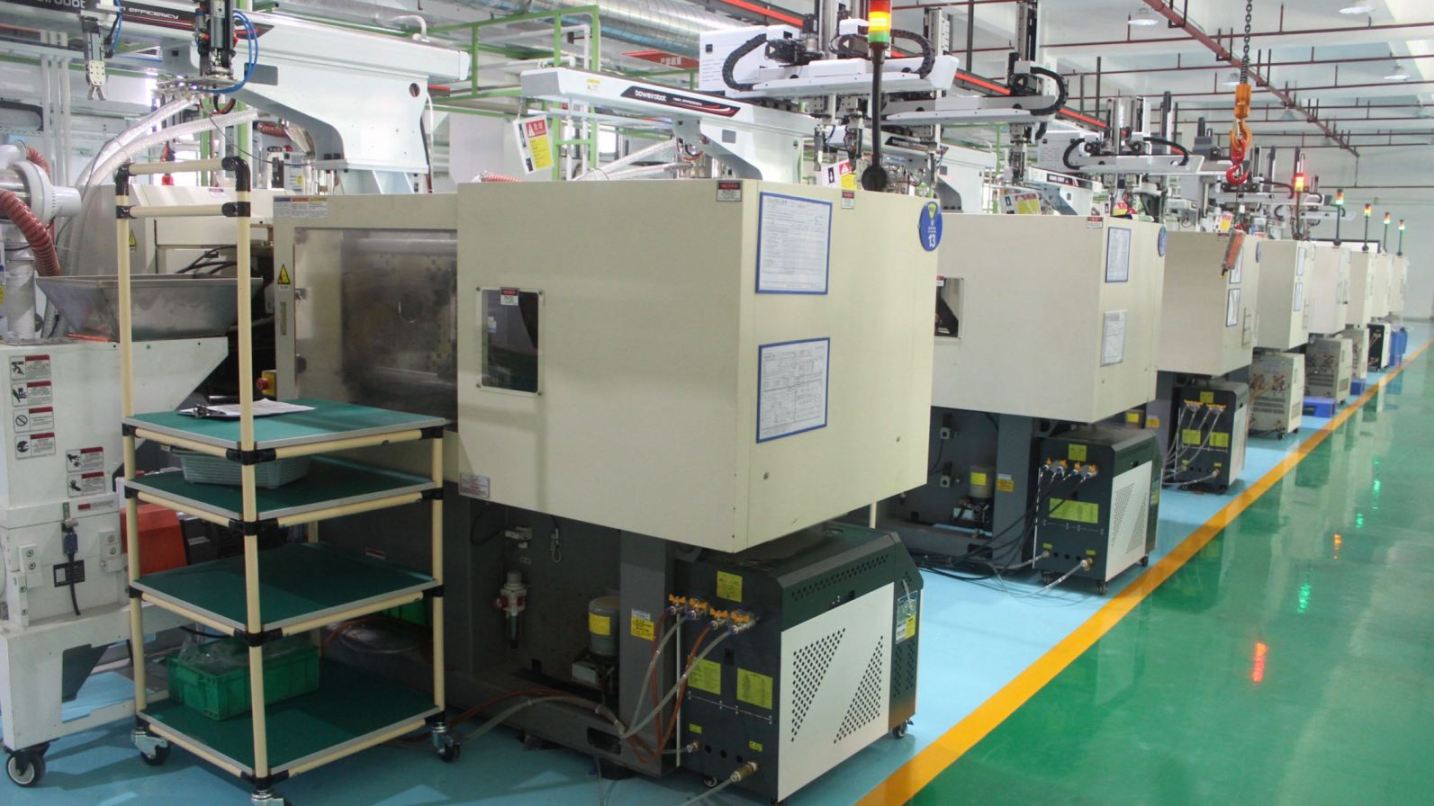 Injection Machine
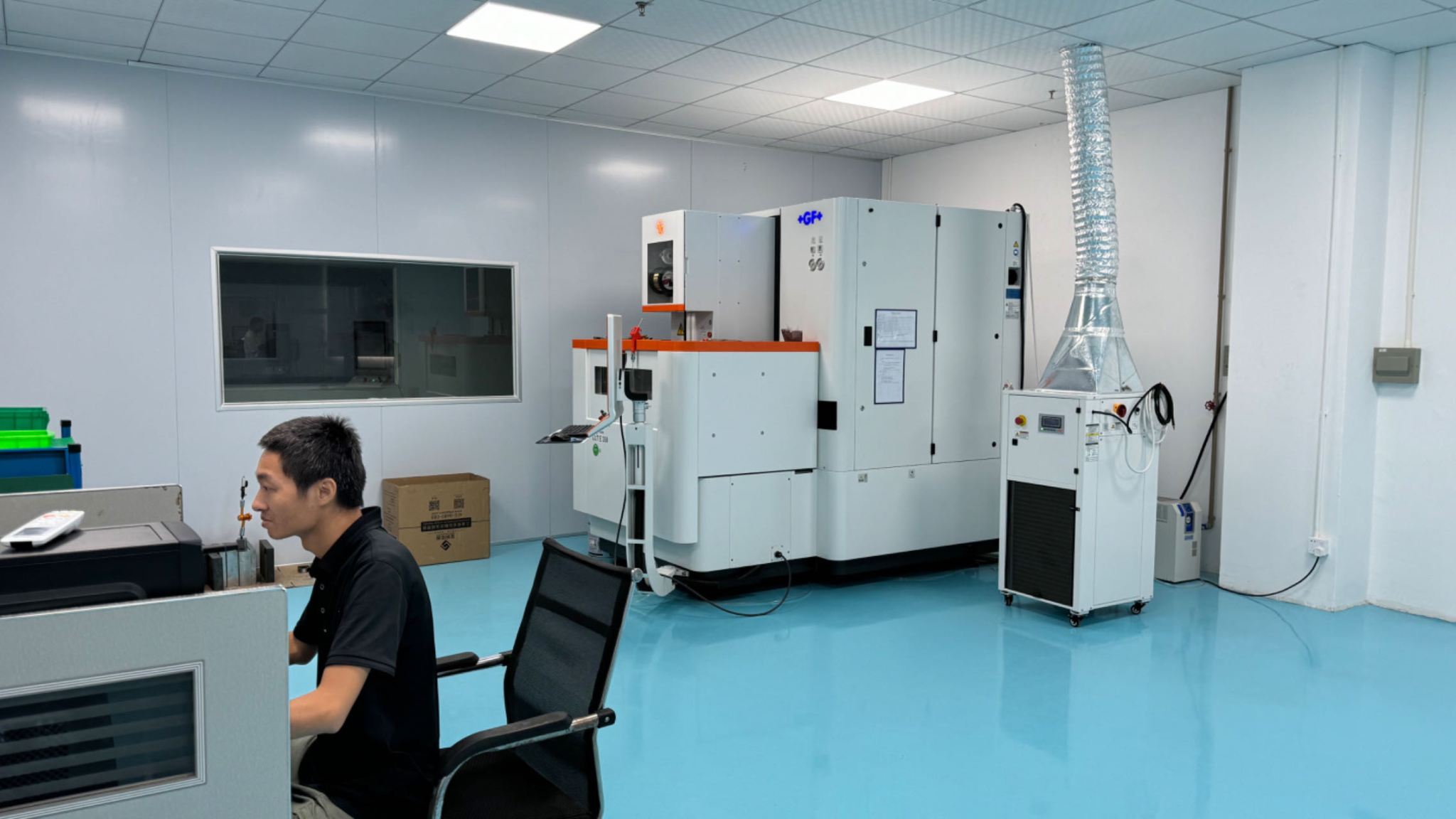 Slow-feeding NC wire-cut machine
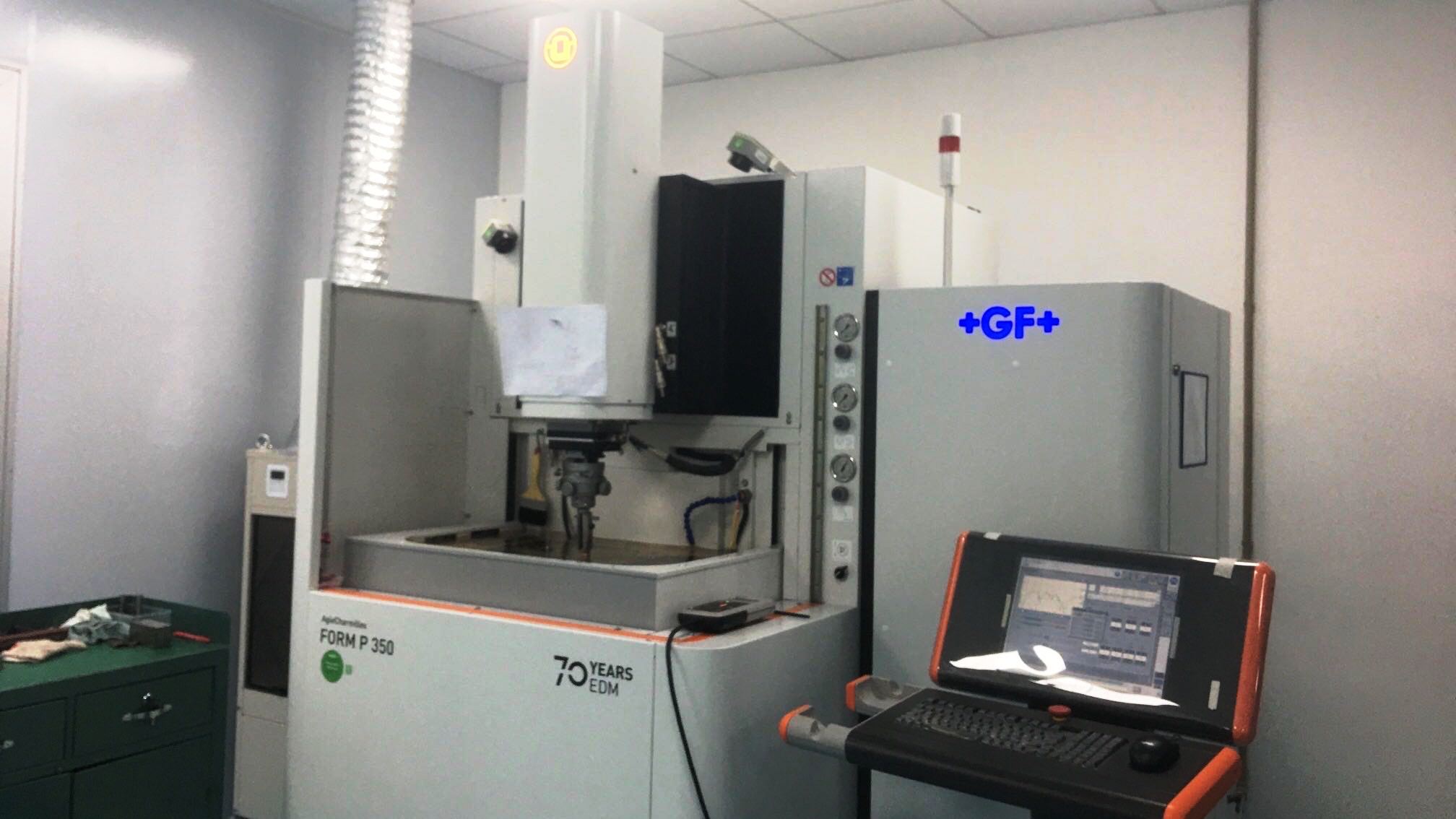 EDM
EDM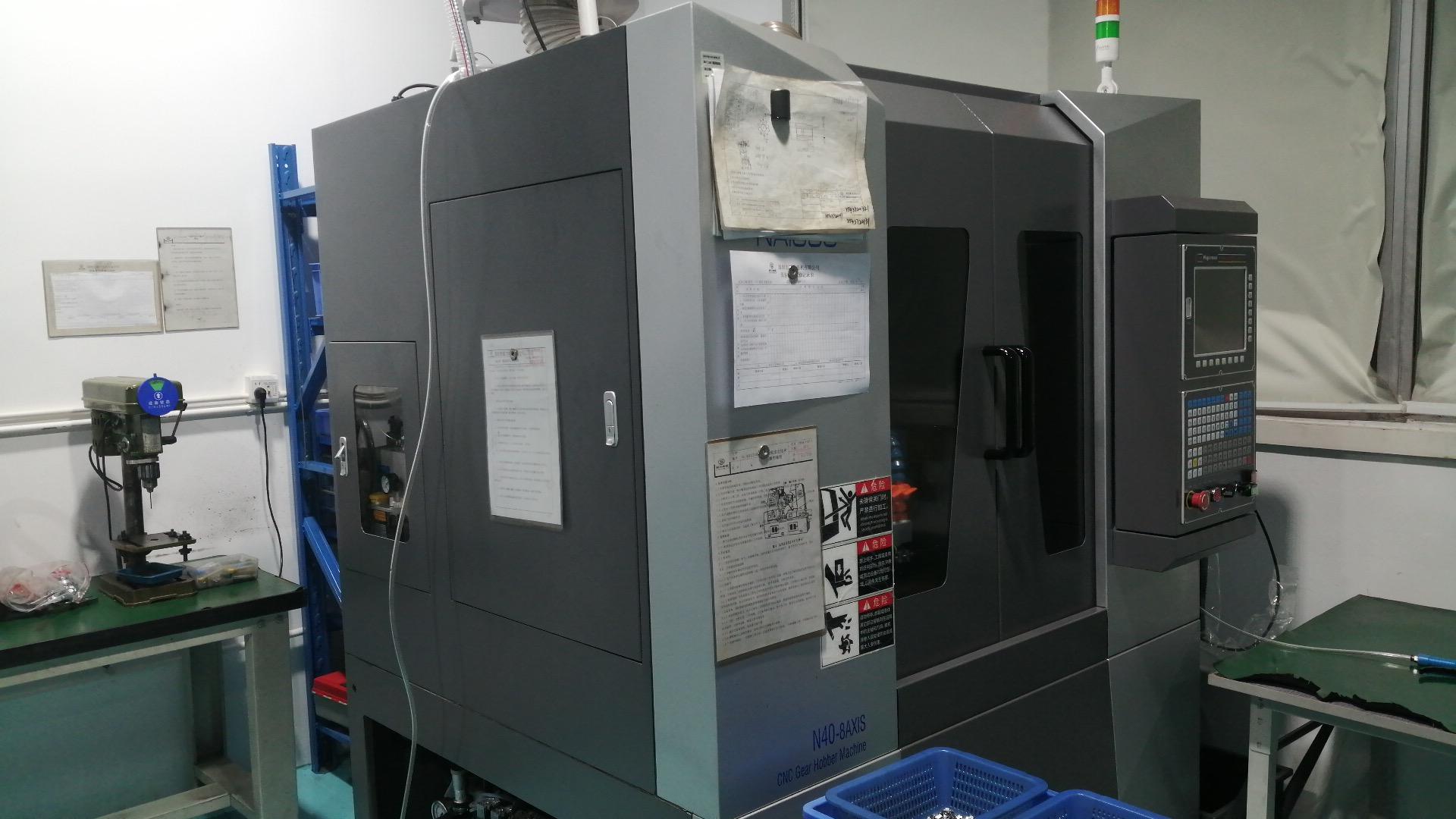 Hobbing Machine
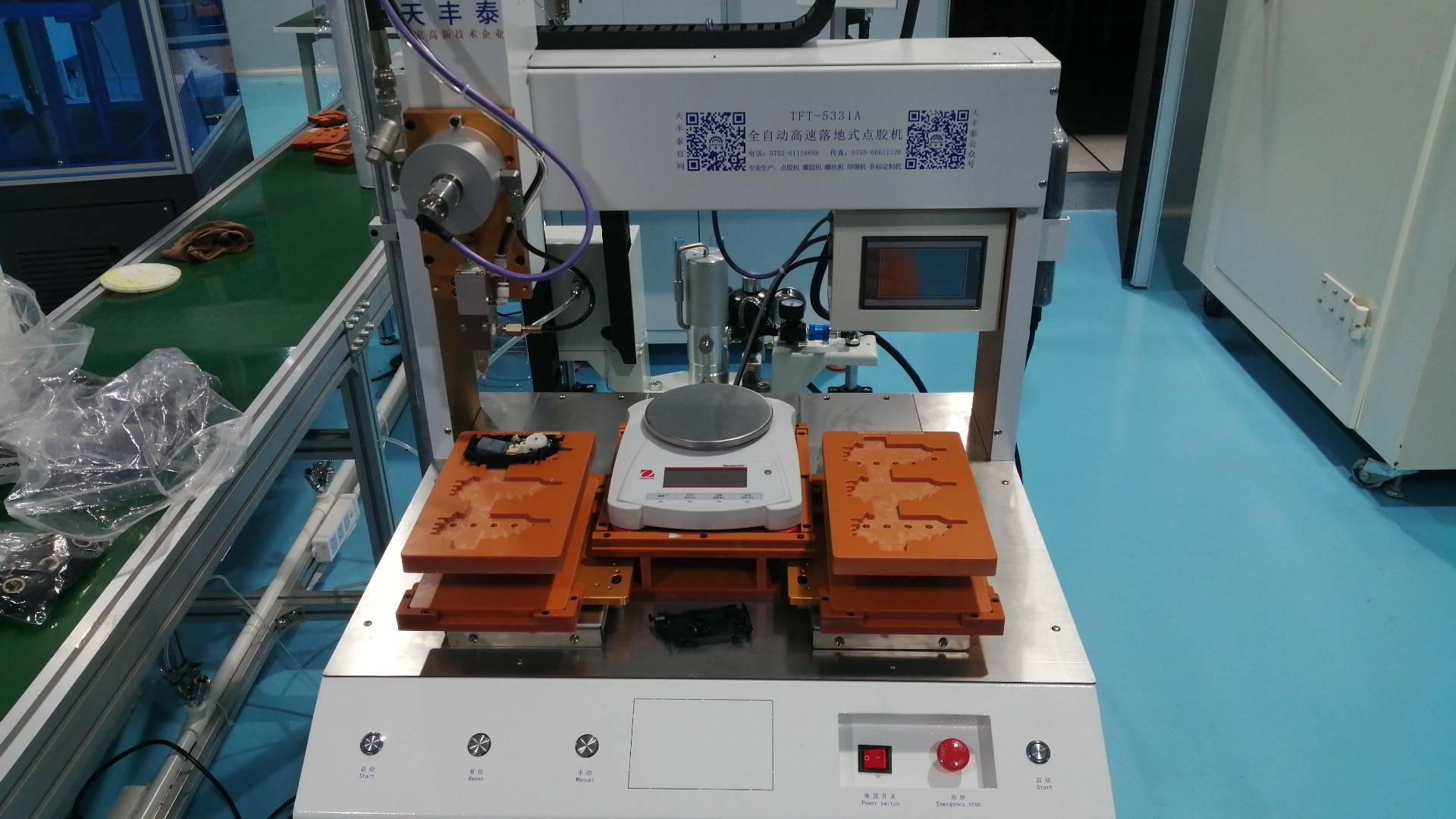 Glue Dispenser
To succeed as a trusted partner for industrial enterprises, a manufacturer must execute flawlessly on several core electromechanical disciplines:
The boundary between high-voltage stator windings and the surrounding fluid must be absolute. Dual mechanical seals, often using Silicon Carbide (SiC) or Tungsten Carbide, are deployed alongside NBR or Viton O-rings to guard against fluid ingress. The motor housing itself is dynamically balanced and pressure-tested to survive depth ratings from 10 meters to over 200 meters.
We implement Class F (155°C) and Class H (180°C) insulation materials inside the slot liners and phase insulation. The copper windings are double-varnished under vacuum pressure impregnation (VPI) setups. This prevents microscopic void formation, ensuring high dielectric strength even during intermittent power surges or VFD-driven harmonics.
Compliance with the Low Voltage Directive (LVD) 2014/35/EU and the Electromagnetic Compatibility (EMC) Directive 2014/30/EU is rigorously validated. Testing ensures the motors produce no harmful electromagnetic emissions and are highly resistant to incoming electrostatic discharge (ESD) and line surges, crucial for installations connected to municipal grids or hospital networks.
Quality is not inspected into a product; it is designed and manufactured into it. Our standard-setting QA lab subjects motor batches to aggressive life-testing, corrosive salt-spray chambers, dynamic balancing machines, and precision acoustic analysis rooms to prove their capability before shipment.
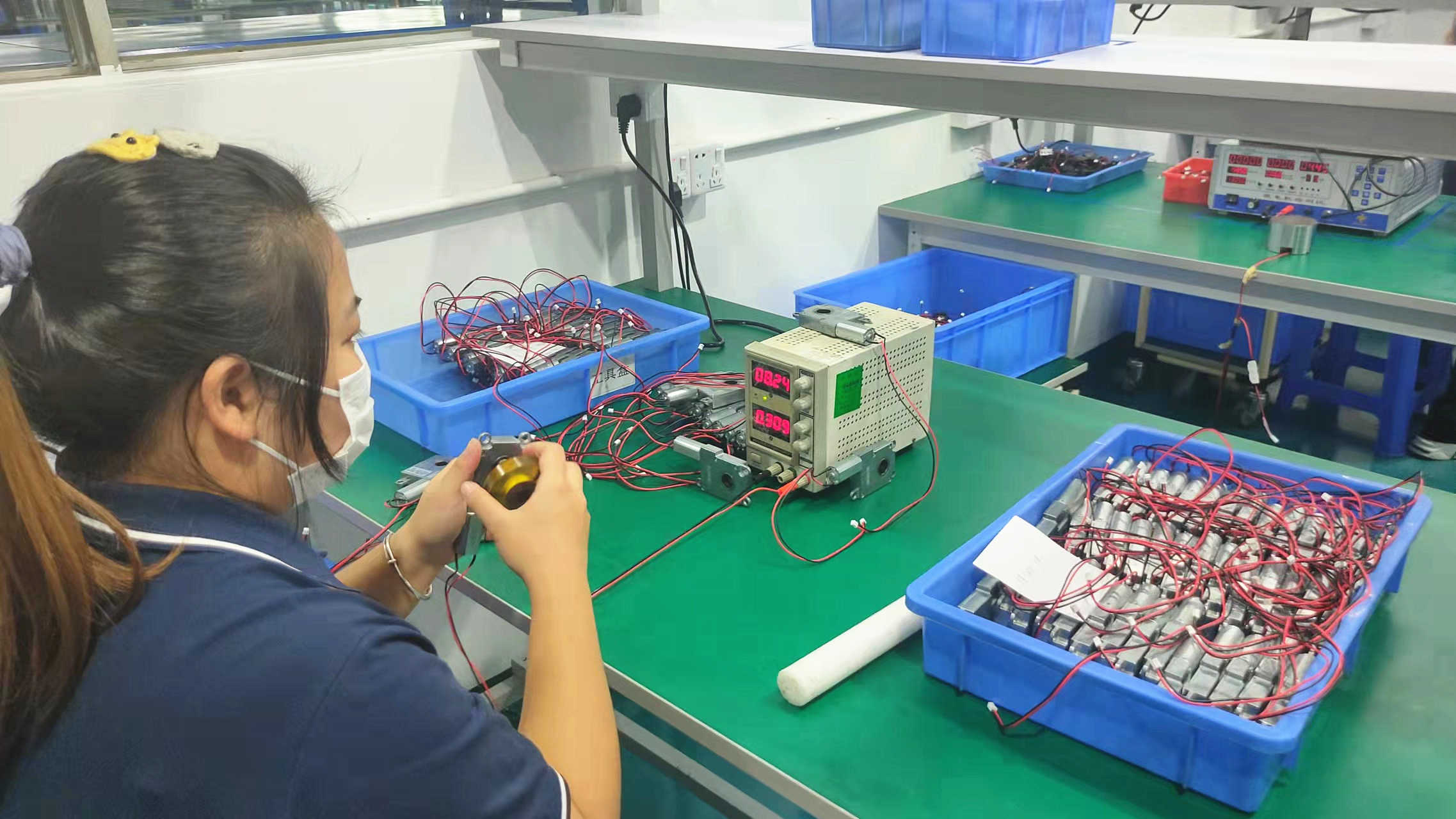 Rigorous QC Inspection
 Constant Temp & Humidity Chamber
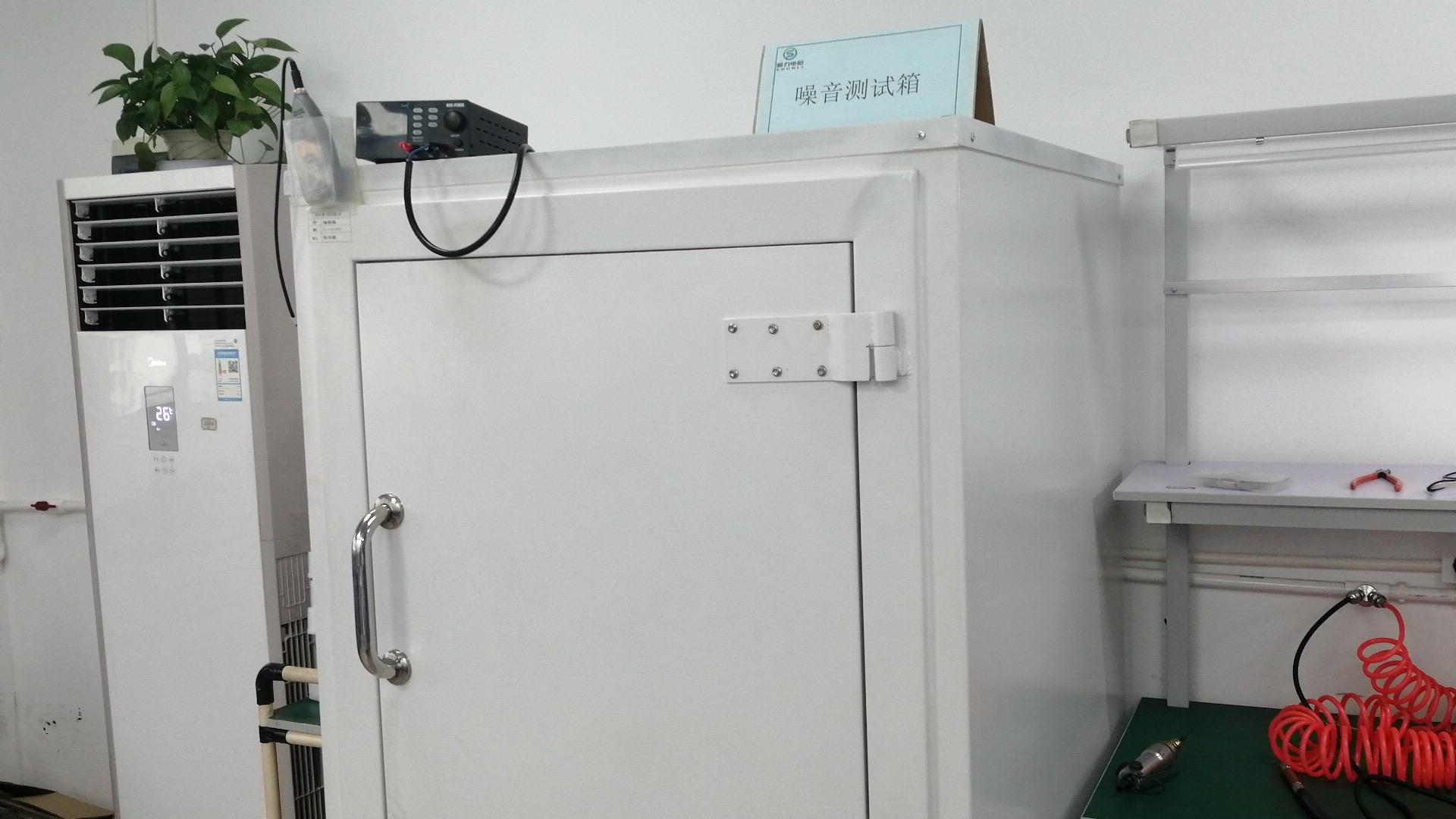 Anechoic Noise Testing Chamber
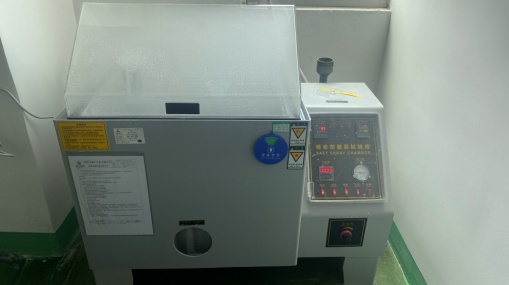 Salt Spray Corrosion Tester
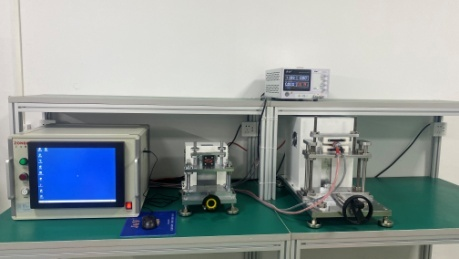 Active Dynamometer Tester
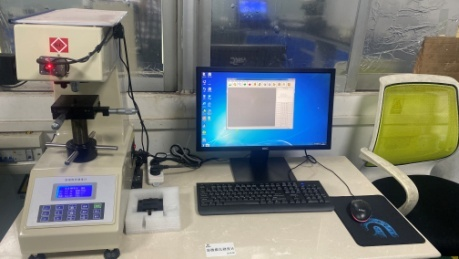 Alloy Hardness Tester
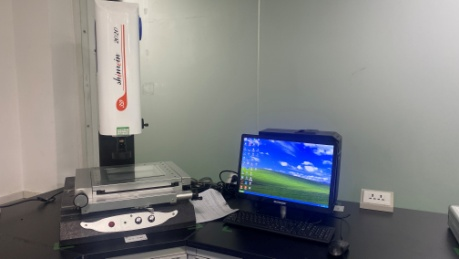 2.5D Video Measuring Instrument
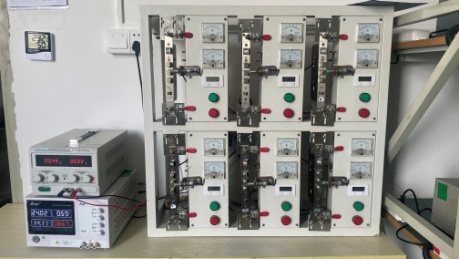 Multi-station Dynamic Aging Rack
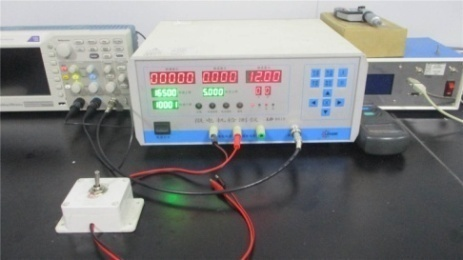 Parametric Motor Diagnostic Center
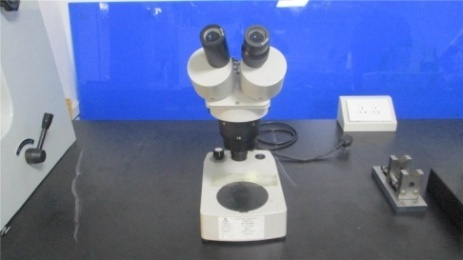 Microscopic Metallurgical Analyzer
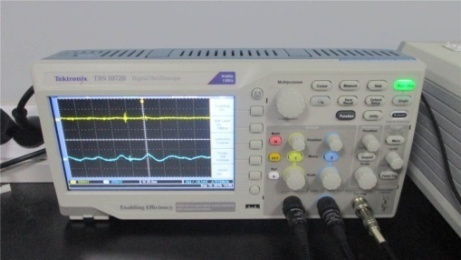 Digital Waveform Oscilloscope
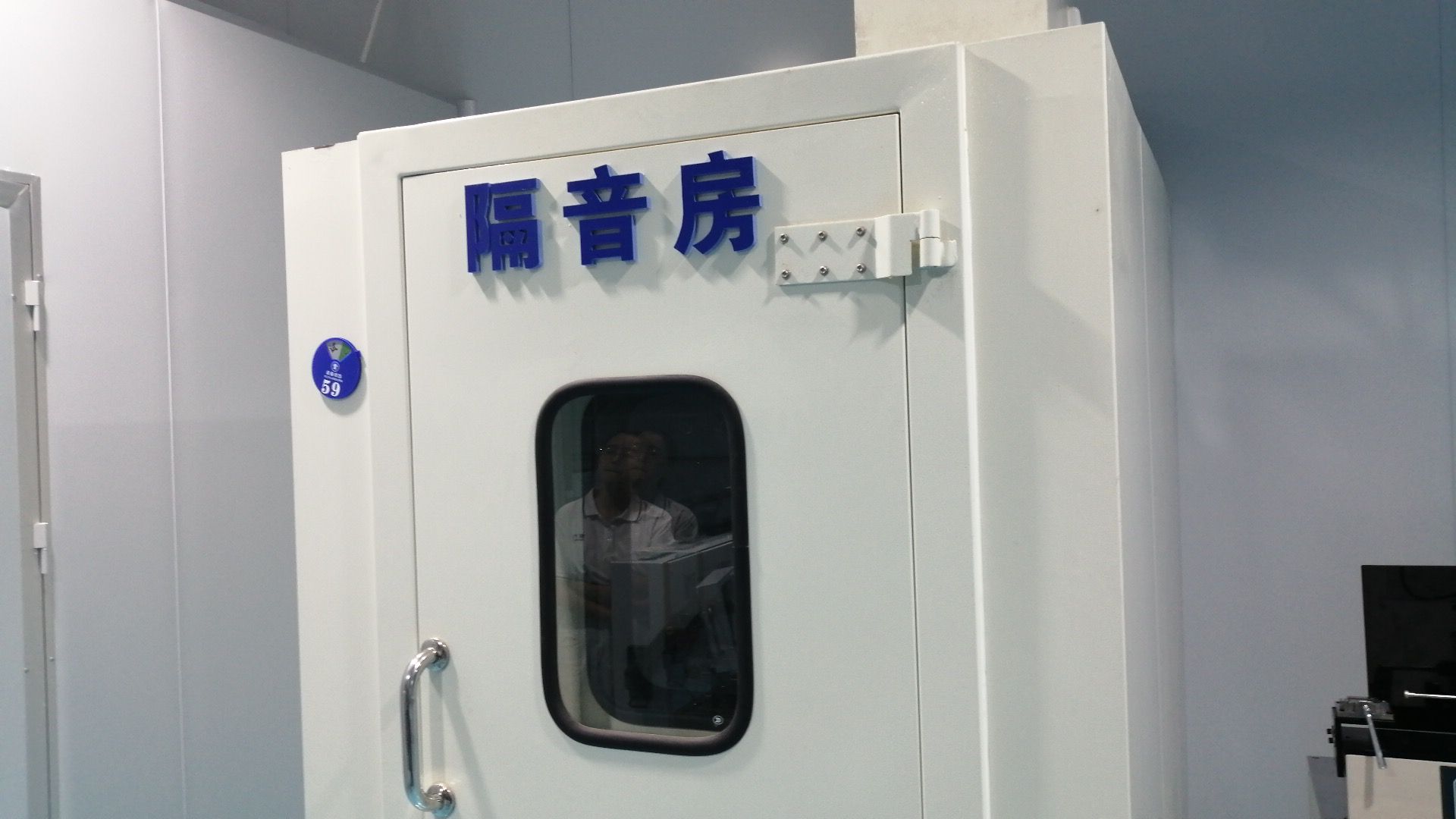 Soundproof Decibel Isolation Room
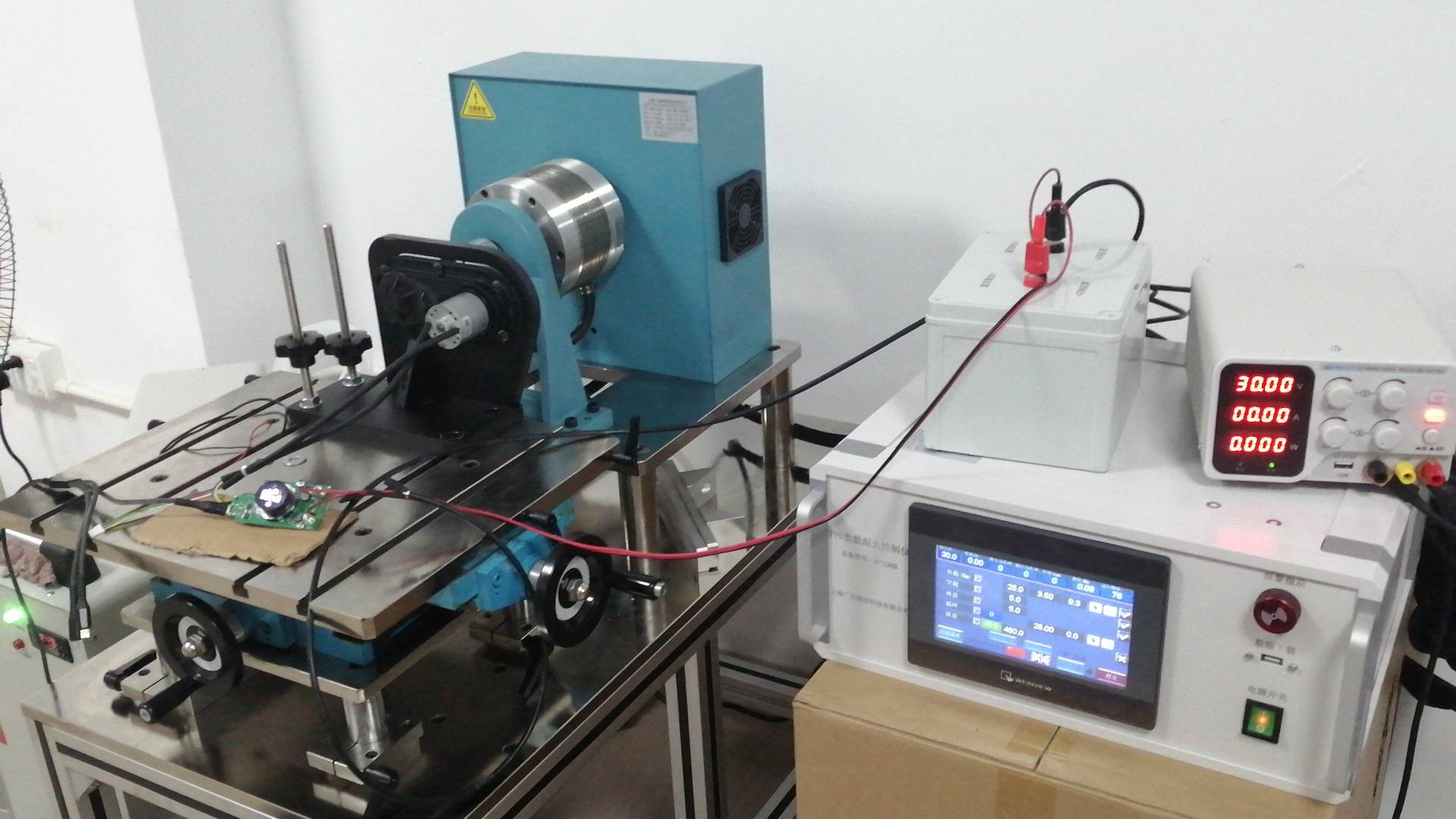 Magnetic Powder Clutch Load Station
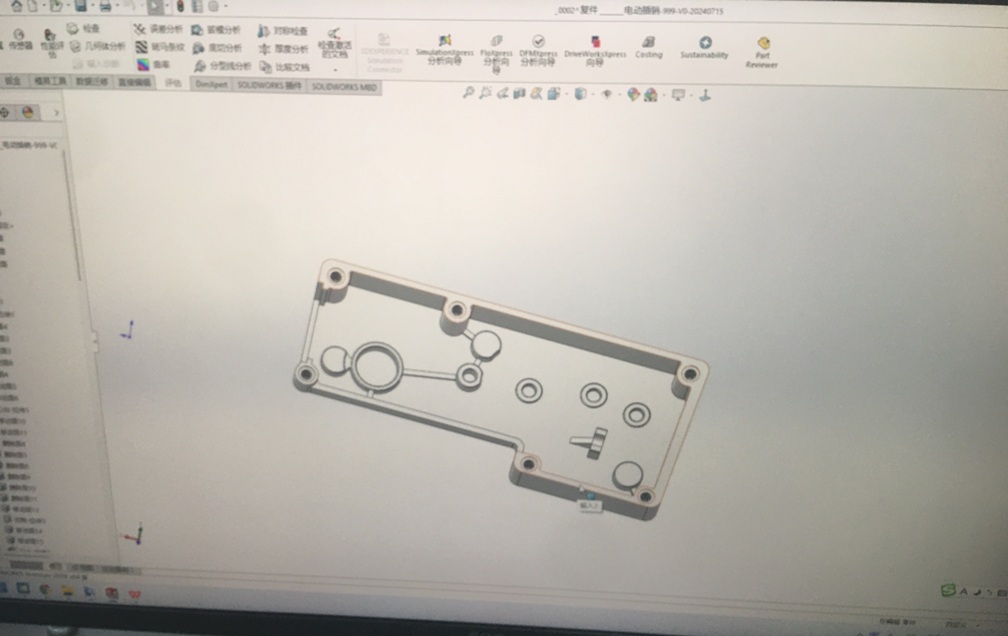 Mechanical Design Studio
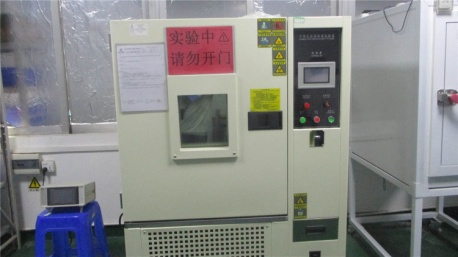 R&D Constant Temp Chamber
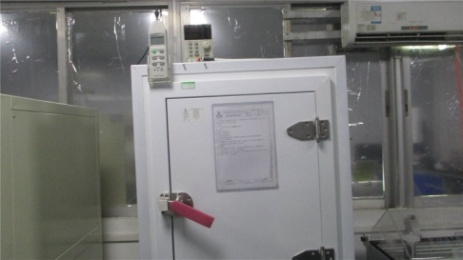 Acoustic Signature Isolation Chamber
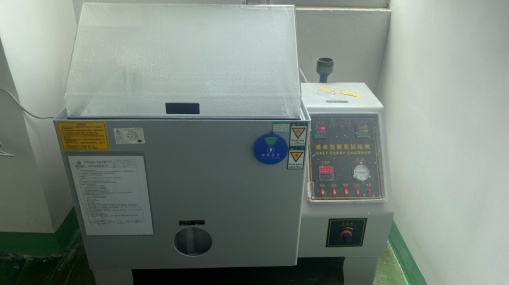 Salt Spray Performance Verification
Deploying specialized high-salinity resistant coatings and duplex stainless steel housings prevents galvanic corrosion, providing continuous operation for desert farming and coastal seawater processing installations.
Explosion-proof ratings compliant with ATEX directive are paired with CE-marking to guarantee secure operations inside municipal sewage pumping systems and high-viscosity anaerobic digestion tanks.
Optimized NEMA-compatible stator architectures are engineered for rapid integration into standard deep-well pump assemblies, providing high efficiency across variable hydraulic loading profiles.
As standard efficiency mandates (like IE4 and IE5) become legally binding, the mechanical motor industry is moving through a rapid evolution. Our design department is actively pioneering three key technical frontiers:
Deep technical answers to common integration questions concerning CE-certified submersible systems.
Browse our specialized low-voltage permanent magnet DC, planetary reduction, and shaded pole motors designed for smart consumer devices, baking apparatus, and advanced lock mechanisms.
 WICCA Motor