The demand for Electric Gear Motors continues to rise globally as industries seek efficient power solutions. According to a report by Mordor Intelligence, the global electric gear motor market is projected to grow at a CAGR of 7.1% from 2023 to 2028. This growth is driven by advancements in automation and the growing need for energy-efficient systems.
Renowned industry expert Dr. Alice Johnson states, “Electric Gear Motors are pivotal for modern manufacturing and automation.” Her insights underline the fact that these motors enhance performance across various applications. They are prevalent in sectors such as automotive, textile, and food processing.
Despite the positive outlook, there are challenges. Many buyers face difficulties in selecting the right type for their specific needs. There is a lack of standardized metrics for performance comparison. This often leads to misinformed decisions and underperformance in operational capacities. Addressing these concerns is essential for maximizing the benefits of Electric Gear Motors in the long run.
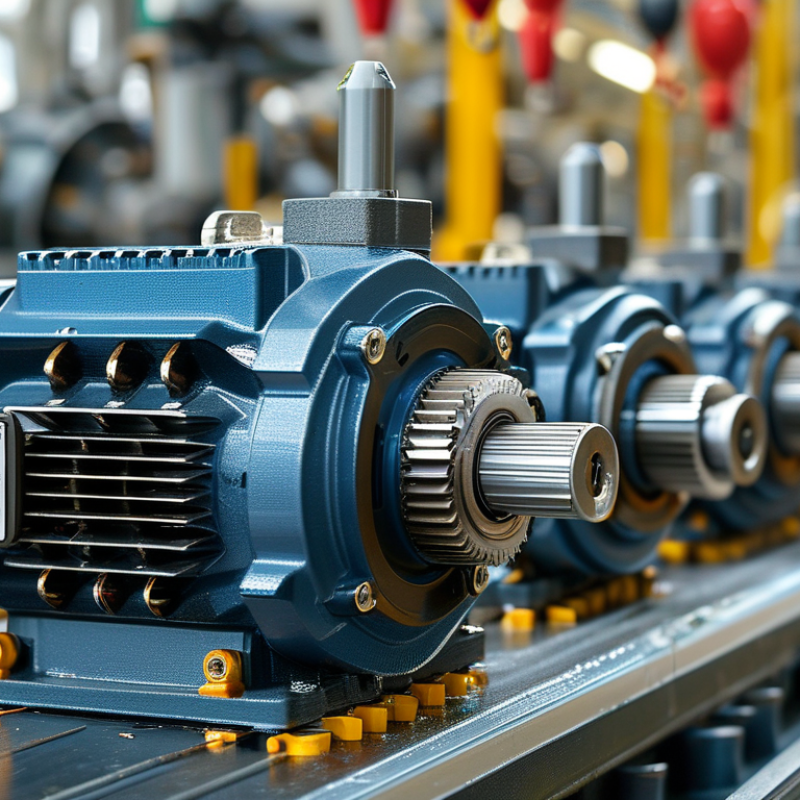
Electric gear motors play a crucial role in various industries. These motors combine an electric motor and a gear system, enhancing torque and efficiency. They are versatile, suitable for applications like conveyor systems, robotics, and agricultural machinery.
There are several types of electric gear motors. DC gear motors provide excellent speed control. They are easy to use and ideal for smaller applications. AC gear motors, on the other hand, are robust. They are best for heavy-duty tasks and offer durability.
Each motor type has its strengths and weaknesses. For instance, while DC gear motors are compact, they can struggle with heavy loads. AC motors may require more complex control systems. Understanding these nuances is vital for making informed decisions. Global buyers must weigh factors like application, space, and load requirements when choosing.
Electric gear motors play a vital role in various applications worldwide. Understanding their key features helps buyers make informed choices. These motors combine electric motors with gear systems. This design enhances torque while reducing speed.
Efficiency is a primary consideration. High-efficiency models consume less energy and produce less heat. Buyers should evaluate the gear ratio, as it directly impacts performance. A high gear ratio means more torque but lower speed. Alternatively, a lower ratio increases speed but reduces torque.
Reliability is crucial for any motor. Components must withstand continuous operation. Look for robust materials in both the motor and gears. However, not every product stands up to rigorous testing. Some may fail not long after installation. Therefore, choosing a well-reviewed and proven type is essential.
This bar chart illustrates the global market share of different types of electric gear motors. The data indicates that AC gear motors hold the largest market share, followed by DC gear motors and stepper gear motors. Understanding these categories can help global buyers make informed decisions.
Electric gear motors play a crucial role across multiple industries. They drive applications from conveyor systems to robotics. These motors provide precise control over speed and torque. For example, in manufacturing, they ensure efficient material handling. This leads to reduced downtime and maximizes productivity.
In the automotive sector, electric gear motors are vital for electric vehicles. They power window actuators and adjustable seats. Their compact design allows for integration in tight spaces. However, a challenge remains: optimizing energy efficiency. The industry heavily relies on continuous improvements in technology. As designs evolve, addressing thermal management is essential.
The food and beverage industry also benefits significantly. Electric gear motors are used in packaging machines and mixing equipment. They maintain proper speed and torque even under heavy loads. Yet, maintaining hygiene standards adds complexity to motor design. Manufacturers must consider materials that withstand harsh cleaning processes. This balance between performance and compliance is ongoing.
| Motor Type | Power Rating (HP) | Voltage (V) | Efficiency (%) | Applications |
|---|---|---|---|---|
| AC Gear Motor | 1 - 5 HP | 110 - 480 V | 85 - 95% | Conveyor Systems, HVAC Systems |
| DC Gear Motor | 0.5 - 3 HP | 12 - 48 V | 75 - 90% | Robotics, Electric Wheelchairs |
| Stepper Gear Motor | 0.1 - 2 HP | 5 - 24 V | 80 - 92% | Automation, 3D Printers |
| Brushless DC Gear Motor | 0.5 - 5 HP | 24 - 400 V | 85 - 95% | Electric Vehicles, Robotics |
| Synchronous Gear Motor | 1 - 10 HP | 220 - 480 V | 90 - 98% | Industrial Equipment, Appliance Drives |
When selecting electric gear motors, several factors demand attention. The first is the application type. Each motor serves different functions, from industrial machinery to small appliances. The load requirements are critical. Too much load can cause motor failure, while too little can reduce efficiency. Understanding the specific needs can guide buyers in making informed choices.
Speed and torque are also pivotal aspects. Different applications require varying speed ranges. It's essential to find a balance between high torque and appropriate speed. Buyers often overlook this detail and might regret it later. Sourcing the right gear ratio can optimize performance.
Efficiency is crucial, especially in energy-conscious environments. Higher efficiency means reduced operational costs. However, achieving high efficiency can require more investment initially. Buyers should weigh these upfront costs against long-term savings. It’s a delicate balance that demands careful consideration.
When sourcing electric gear motors, global buyers must consider several key factors. Quality, compatibility, and supplier reliability are crucial elements. It’s essential to ensure that the motors meet specific performance standards for your application. Look for detailed product specifications to verify their suitability.
Here are some useful tips. Start by evaluating supplier credentials. Check for industry certifications. These can indicate a supplier's commitment to quality. Engage with potential suppliers to discuss technical details. Asking the right questions can reveal their expertise and reliability.
Additionally, consider geographical location. Proximity can affect shipping times and costs. Make sure to weigh the trade-offs between price and service. It’s worth reflecting on past sourcing experiences. Have your previous suppliers met your expectations? Learning from past challenges can guide you in selecting better partners.
: Electric gear motors are used in conveyor systems, robotics, and agricultural machinery.
A DC gear motor is compact and provides excellent speed control for smaller applications.
AC gear motors are robust and ideal for heavy-duty tasks, offering durability.
Too much load can lead to motor failure, while too little can lower efficiency.
Higher efficiency reduces operational costs, but it may need initial investment.
Finding the right balance between speed and torque is crucial for optimal performance.
Optimizing energy efficiency and thermal management remain ongoing challenges.
Manufacturers must select materials that can withstand harsh cleaning processes.
A proper gear ratio can significantly optimize motor performance but is often overlooked.
They must balance performance with compliance to hygiene standards in the food industry.
Electric Gear Motors play a crucial role in various industries, offering efficiency and reliability in power transmission. This article provides a comprehensive overview of the different types of electric gear motors to help global buyers make informed decisions. It highlights key features that set each type apart, enabling users to select motors that best fit their application needs.
Additionally, the article explores the wide-ranging applications of electric gear motors, from manufacturing to transportation, showcasing their versatility. When selecting an electric gear motor, buyers should consider factors such as torque requirements, size constraints, and operational conditions. Finally, sourcing tips are provided to assist buyers in navigating global supply chains effectively, ensuring they find quality electric gear motors that meet their operational demands.

WICCA Motor