A High Torque Gear Motor is a critical component in various industries, playing a pivotal role in ensuring efficient mechanical operations. According to a report by Research and Markets, the global gear motor market is expected to grow significantly, with projections indicating a CAGR of 8.5% from 2021 to 2026. This growth is largely driven by increasing demands for automation and precision engineering in manufacturing processes.
High Torque Gear Motors are designed to provide enhanced torque at lower speeds, making them indispensable in applications such as conveyor systems, robotics, and automotive machinery. Their robust construction allows them to handle heavy loads with reliability. However, the selection of a suitable gear motor can be challenging. It requires careful consideration of torque ratings and operational efficiency.
Despite their advantages, there is a risk of underestimating the required torque specifications, leading to operational inefficiencies. As industries evolve, the need for adaptive technology in gear motors becomes more evident. This presents both opportunities and challenges for engineers and designers. Embracing innovations in gear motor technologies can lead to heightened performance but requires ongoing research and development efforts.
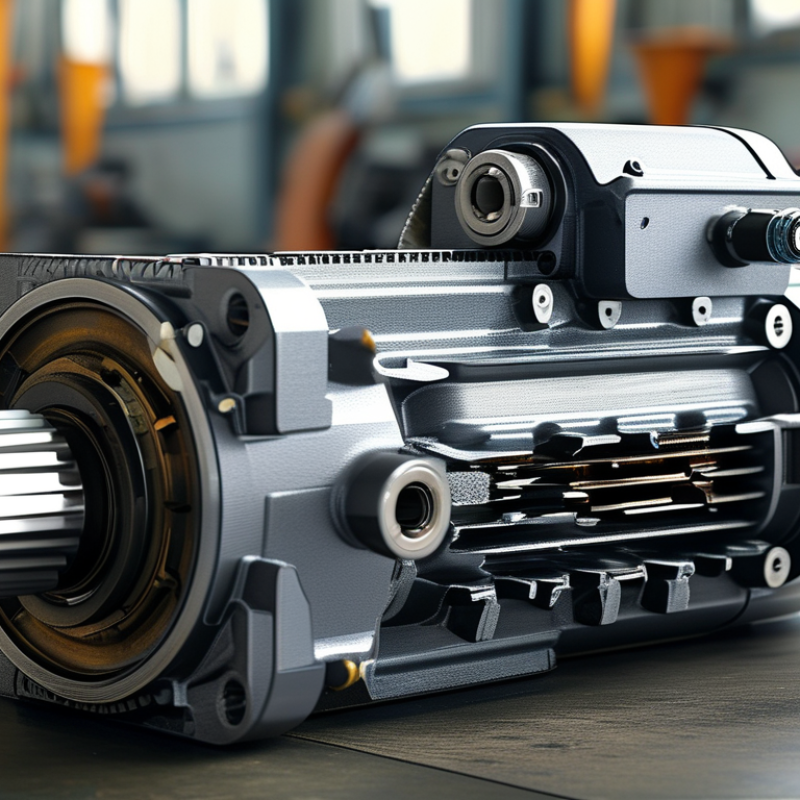
High torque gear motors are essential components in various industries. They convert low-speed rotational motion into high torque output. This conversion is accomplished using gear reduction, where the motor's output speed decreases while torque increases. The design often incorporates a series of gears, allowing for fine control and improved efficiency.
The principle behind these motors lies in mechanics. When the motor's input shaft rotates, it engages with the gears. These gears multiply the rotational force, resulting in increased torque. Engineers ensure a precise balance between speed and torque, tailored for specific applications. High torque gear motors are commonly used in robotics, conveyor systems, and automotive technologies. Their ability to handle heavy loads makes them invaluable.
However, reliance on high torque gear motors poses challenges. Maintenance is crucial to prevent wear and tear. Neglecting this can lead to decreased performance. Additionally, selecting the right motor for a specific application requires expertise. Mistakes in choice can result in inefficiency.
It's essential to consider factors like load requirements and operational environment. Balancing design and functionality is key to maximizing efficiency in these systems.
High torque gear motors are essential in various applications. Their design provides significant torque output, making them ideal for heavy-duty tasks. This feature is crucial in industries where strength and reliability matter. They can handle high loads and maintain performance, even in challenging conditions.
One of the key advantages of high torque gear motors is their efficiency. They convert electrical energy into mechanical energy with minimal losses. This efficiency leads to reduced operational costs. Additionally, these motors often have a compact design, allowing for easy integration into machinery. However, their complexity can lead to maintenance challenges. Users may face difficulties in troubleshooting and repairs due to intricate components.
Another notable feature is their versatility. High torque gear motors can be used in various applications, from conveyor belts to robotics. However, selecting the right motor requires careful consideration. Factors like load requirements and speed specifications must be evaluated. In some cases, misapplication can lead to performance issues or motor damage. Balancing torque needs with application demands is crucial for optimal performance.
High torque gear motors play a vital role in various industrial and commercial sectors. These motors deliver high performance at low speeds, making them ideal for applications requiring substantial force. They are commonly found in material handling systems, where moving heavy loads is essential. Conveyor belts, automated machinery, and robotic systems often utilize these powerful motors to enhance efficiency.
In manufacturing settings, high torque gear motors drive machines like presses and crushers. They ensure that heavy components are moved smoothly and reliably. In the commercial sector, they can be used in lifts and escalators, where safety and strength are paramount.
**Tip:** Regular maintenance can extend the lifespan of high torque gear motors. Inspecting gears and lubricating parts improves efficiency.
These motors also face challenges. For instance, overheating can occur if overloaded. It's important to monitor operational conditions and ensure motors are not pushing beyond their limits. Consistent evaluation can help enhance performance.
**Tip:** Use temperature sensors to track motor performance. Being proactive can prevent costly breakdowns and ensure operational continuity.
| Application Area | Typical Torque Range (Nm) | Common Features | Industry Examples |
|---|---|---|---|
| Conveyor Systems | 50 - 250 | High efficiency, variable speeds | Food, packaging |
| Robotics | 20 - 100 | Compact design, high precision | Automotive manufacturing |
| Agricultural Machinery | 75 - 300 | Durable, weather-resistant | Tractors, harvesters |
| Elevators | 100 - 400 | Safety features, low noise | Commercial buildings, residential |
| Power Tools | 10 - 50 | Portable, battery-operated | Construction, DIY |
When selecting a high torque gear motor, several factors are paramount. The torque requirement is crucial; it should match your application's demands. An insufficient torque rating can lead to underperformance. Consider the operational speed as well. Different applications need different speed ranges. Too high or too low a speed can hinder efficiency.
Another critical aspect is the motor's size and weight. Larger motors can provide higher torque but may not fit in tight spaces. Evaluate your design layout before making a choice. Pay attention to the power supply as well. Ensure compatibility with your existing system to avoid electrical issues.
**Tip:** Always check the efficiency ratings. A motor with higher efficiency may save on operating costs in the long run.
Bear in mind that mounting options can vary. A good motor should fit within your design constraints. Don't overlook maintenance needs either. Some motors require regular checks, while others are more self-sufficient.
**Tip:** Testing the motor in real conditions can reveal performance gaps. Consider this step essential to avoid future issues.
High torque gear motors require regular maintenance to ensure optimal performance. According to industry standards, mechanical failures contribute to about 30% of motor downtimes. To mitigate this, check the lubrication regularly. Insufficient lubrication causes friction, leading to overheating and reduced efficiency. Manufacturers recommend specific lubricants to enhance motor life.
In addition, monitor the motor's thermal performance. Excess heat can indicate underlying issues. Regularly inspecting for signs of wear and tear is crucial. A worn gear or bearing can lead to motor failure. The Global Association of Manufacturing outlines that proactive checks can prevent 40% of unexpected failures.
When troubleshooting, listen for unusual noises. These sounds often signal misalignment or component wear. Vibration analysis can also help identify potential issues early. A study by the National Institute of Standards found that predictive maintenance can improve motor lifetime by 25%. Addressing small problems can save substantial costs in the long run.
: High torque gear motors are used in industrial and commercial sectors like manufacturing, material handling, and robotics.
They provide high performance at low speeds, which is essential for moving substantial weights efficiently.
Regular maintenance can extend motor life by improving efficiency and preventing breakdowns through proper lubrication.
Overloading is a primary cause of overheating. Monitoring operational conditions is crucial to prevent this issue.
Temperature sensors track performance and help prevent costly breakdowns by identifying overheating early.
Mechanical failures, which account for about 30% of downtimes, often stem from insufficient lubrication and overheating.
Unusual noises and vibrations can signal misalignment or wear, prompting further inspection.
Regular evaluations can prevent up to 40% of unexpected failures, thus enhancing motor performance and longevity.
Listening for strange sounds and conducting vibration analysis can help identify potential problems early.
Excess heat can indicate underlying issues. Regular monitoring helps maintain optimal motor function and efficiency.
A High Torque Gear Motor is a specialized type of motor designed to deliver high torque output at low speeds, making it ideal for applications requiring significant force without high acceleration. These motors operate on the principle of gear reduction, where gears are used to multiply the torque, resulting in enhanced performance and efficiency. Key features of high torque gear motors include their compact size, durability, and ability to handle heavy loads, which provides significant advantages in various industrial and commercial settings.
Common applications for high torque gear motors span across multiple sectors, such as manufacturing, robotics, and conveyor systems. When selecting a high torque gear motor, factors such as load requirements, speed, and environmental conditions must be considered to ensure optimal performance. Regular maintenance and troubleshooting are essential for longevity and reliability, allowing these motors to function effectively in demanding tasks. Understanding these aspects helps users utilize high torque gear motors to their fullest potential in a range of applications.

WICCA Motor