How to Choose the Best DC Worm Gear Motor for Your Needs?

Time:2026-07-03 Author:Isabella
0%

Choosing the right DC Worm Gear Motor for your applications can be challenging. With various options available, understanding their specific features is crucial. Industry expert Dr. Emily Sanders highlights this need, stating, "Selecting the right motor can significantly enhance your project’s efficiency."

DC Worm Gear Motors are known for their durability and torque. They play a vital role in various applications, from robotics to conveyor systems. When evaluating a motor, consider factors like gear ratio, size, and voltage requirements.

The complexities of matching the right motor often lead to confusion. Many users overlook the importance of power ratings and load compatibility. A mismatch can result in inefficiency and higher operational costs. It’s essential to reflect on your specific needs and understand how these components will interact in your setup.
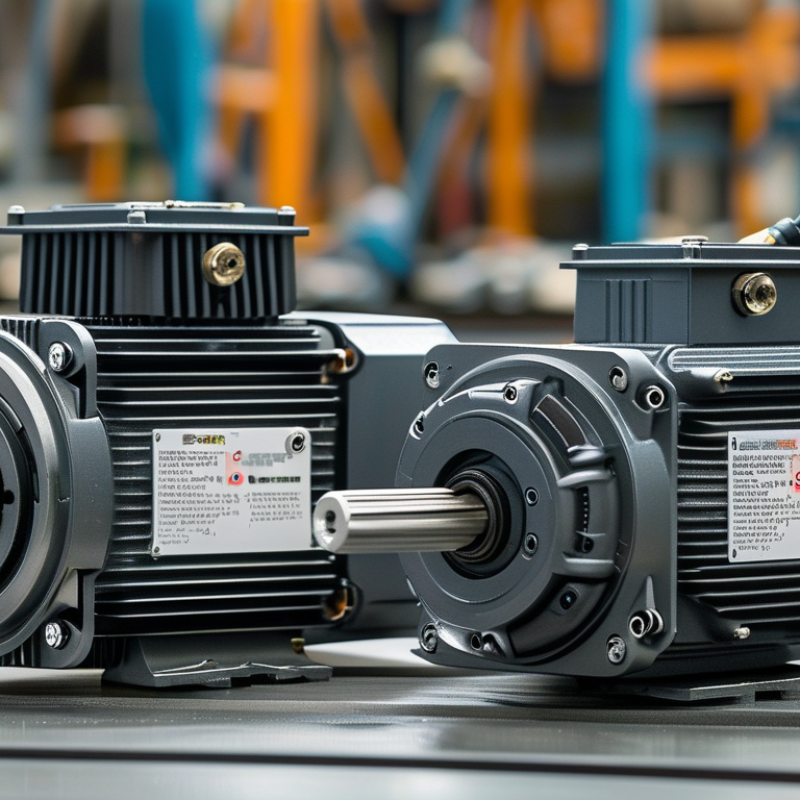
How to Choose the Best DC Worm Gear Motor for Your Needs?

Understanding the Basics of DC Worm Gear Motors

DC worm gear motors are crucial in various applications, including robotics and automation. These motors combine the properties of a direct current (DC) motor with a worm gear mechanism. The worm gear's design allows for high torque and a compact form factor, making them ideal for systems where space is limited. According to industry reports, the global market for gear motors is projected to grow at a compound annual growth rate (CAGR) of approximately 9.2% from 2022 to 2030.

Understanding the basic mechanics of these motors is key. A worm gear offers a 90-degree gear reduction, significantly increasing the torque while decreasing speed. The efficiency of this type of motor is essential; reports indicate that, typically, worm gear systems are about 50-80% efficient. However, this can vary based on load and operational conditions. It is also important to note that heat generation can affect performance. Users should evaluate operational environments carefully.

When selecting a DC worm gear motor, consider load capacity and speed requirements. Users often overlook the importance of these parameters. A mismatch can lead to inefficient operation, reduced lifespan, or even failure. As the complexity of applications increases, understanding these factors becomes imperative for optimal performance.

Key Specifications to Consider When Selecting a Worm Gear Motor

Selecting the right DC worm gear motor involves understanding key specifications. One important factor is torque. Torque indicates the motor’s ability to handle loads effectively. Assess the required torque for your application. It’s essential to ensure the motor can meet those demands consistently.

Another critical specification is the gear ratio. The gear ratio affects speed and torque. A higher gear ratio increases torque but decreases speed. Depending on your needs, balance these factors carefully. Additionally, consider the efficiency rating of the motor. An efficient motor can save energy and reduce operational costs over time.

Don’t forget the physical size and weight of the motor. Compact designs save space but may limit power capabilities. Analyze the installation environment. Sometimes a small motor may not provide adequate performance. Choosing the right motor involves reflection and a clear understanding of all specifications. Consider consulting with experts if unsure. Making informed decisions helps avoid common pitfalls in motor selection.

Assessing Load Requirements and Torque Specifications

When selecting a DC worm gear motor, understanding load requirements and torque specifications is key. Torque is the rotational force needed to move a load. According to the International Electrotechnical Commission, torque values can vary significantly, impacting motor selection. A typical DC worm gear motor may produce torque values of 0.1 to 2.0 Nm. It’s essential to match the motor’s torque with the load being driven.

Load requirements also dictate the motor's performance. An improper torque rating can lead to inefficient operation or even failure. For instance, if the required load exceeds the motor's torque capacity, it may stall. A review of industry standards indicates that 30% of equipment failures arise from inadequate torque assessments. Assessing both dynamic and static loads helps to design an effective system.

Practitioners should also consider environmental factors. Heat, humidity, and dust can affect performance. Sometimes, torque ratings given by manufacturers don't account for long-term use. This should raise questions about reliability. Data from industry analysis emphasizes that understanding these factors can enhance motor longevity. Correct assessments lead to smarter choices in motor selection.

Evaluating Efficiency and Performance Metrics

When selecting a DC worm gear motor, evaluating efficiency and performance metrics is crucial. Efficiency ratings often vary based on design and application. Reports indicate that high-quality DC motors can achieve efficiencies above 85%. However, not all manufacturers provide this data transparently. It's important to analyze the motor's torque and speed curves. These curves demonstrate how a motor performs under load conditions, revealing its real-world effectiveness.

Load requirements also play a significant role in performance evaluation. Worm gear motors often provide high torque in a compact design. However, it’s essential to consider the efficiency losses typical in worm gear systems, which can range from 30% to 50%. This is due to friction between the gears. Understanding these metrics helps in making informed decisions.

Moreover, thermal performance affects motor longevity. Continuous operation at high temperatures leads to increased wear. Some studies suggest that motors should operate at 70% of their maximum rating to enhance durability. Testing under real operational conditions can yield essential insights into performance consistency. Relying solely on manufacturer data might not give the full picture. Real-world performance assessments are vital for long-term reliability.

How to Choose the Best DC Worm Gear Motor for Your Needs? - Evaluating Efficiency and Performance Metrics

Motor Type Voltage (V) Power (W) Torque (Nm) Efficiency (%) Speed (RPM)
DC Worm Gear Motor A 12 50 0.8 75 30
DC Worm Gear Motor B 24 100 1.5 80 25
DC Worm Gear Motor C 36 150 2.0 85 20
DC Worm Gear Motor D 48 200 2.5 78 15
DC Worm Gear Motor E 12 75 1.2 82 35

Comparing Different Manufacturers and Models for Optimal Choice

When selecting a DC worm gear motor, it’s essential to consider various manufacturers and models. Each brand offers unique features and specifications. Analyzing these aspects helps in making an informed decision. For instance, look at the gear ratio, efficiency, and load capacity. These factors directly affect the motor's performance.

Additionally, pay attention to customer reviews and feedback. They provide insights into the reliability and durability of the motor. Some models may have excellent specifications but fall short in real-world applications. Engaging with user communities can also reveal hidden issues or benefits of specific models.

Remember to compare warranties and customer support provided by different manufacturers. A solid warranty reflects a company’s confidence in its product. However, not all manufacturers offer the same level of service. Make sure you are choosing one that stands behind its products. A thorough evaluation process can save you from future disappointments.

Comparison of DC Worm Gear Motors by Torque and Load Capacity

FAQS

: What is torque in a worm gear motor?

: Torque indicates the motor’s ability to handle loads. It's the rotational force needed for movement.

Why is the gear ratio important?

The gear ratio affects speed and torque. A higher ratio increases torque but reduces speed.

How does efficiency impact motor selection?

An efficient motor saves energy and reduces operational costs. Efficiency matters for long-term performance.

Why consider the size and weight of a motor?

The motor's physical size can limit power capabilities. Small designs save space but may lack performance.

What happens if torque requirements are not met?

If the load exceeds torque capacity, the motor may stall. This can lead to inefficient operation or failure.

How do environmental factors affect motor performance?

Heat, humidity, and dust can impact motor reliability. These factors must be assessed for long-term use.

Why is expert consultation recommended?

Consulting with experts can help clarify specifications. This may prevent common mistakes in motor selection.

What is the impact of improper torque assessments?

Inadequate torque assessments can lead to 30% of equipment failures. It's a crucial factor to evaluate.

How do dynamic and static loads differ?

Dynamic loads vary during motion, while static loads remain constant. Both must be considered for design.

What should you reflect on when choosing a motor?

Reflection on specifications and load requirements is crucial. This leads to more informed and effective choices.

Conclusion

Choosing the right DC Worm Gear Motor involves understanding its fundamental characteristics and specifications. These motors are designed for applications requiring high torque at low speed, making them unique in their function. Key factors to consider include load requirements, torque specifications, and overall efficiency. It’s essential to assess how much load the motor needs to handle and the torque it must deliver to ensure optimal performance.

In addition to performance metrics, comparing different manufacturers and models can help in making an informed decision tailored to specific applications. Focusing on the efficiency of the motor along with the essential parameters will lead to the best choice that meets operational needs. A thorough evaluation of these aspects guarantees the selection of a DC Worm Gear Motor that not only fits technical requirements but also enhances overall system performance.

Isabella

Isabella

Isabella is a dedicated marketing professional with a sharp focus on driving brand growth and engagement through strategic content creation. With an extensive background in digital marketing, she combines her passion for storytelling with her keen understanding of industry trends to deliver......