2026 How to Choose the Best DC Micro Vibration Motor?

Time:2026-08-05 Author:Isabella
0%

In the realm of technology, "DC Micro Vibration Motors" play a crucial role in various applications. From smartphones to wearable devices, these motors create essential haptic feedback. Renowned expert Dr. Emily Chen, a leading figure in motor technology, once stated, "Choosing the right micro vibration motor can significantly enhance user experience." This insight highlights the importance of making an informed decision in selections.

With numerous options available, selecting the best DC Micro Vibration Motor can be daunting. A myriad of factors influences this choice, including size, efficiency, and vibration frequency. It's vital to consider how each aspect aligns with your specific application. For instance, a tiny motor may work well for mobile devices but may not suffice for industrial use.

Furthermore, the market is evolving. New technologies and materials can lead to better performance. However, not every product labeled as high-quality delivers on promises. Reflecting on choices is essential, as the right motor can elevate a product's functionality. Ultimately, understanding the nuances of DC Micro Vibration Motors is key to making a wise choice in your projects.
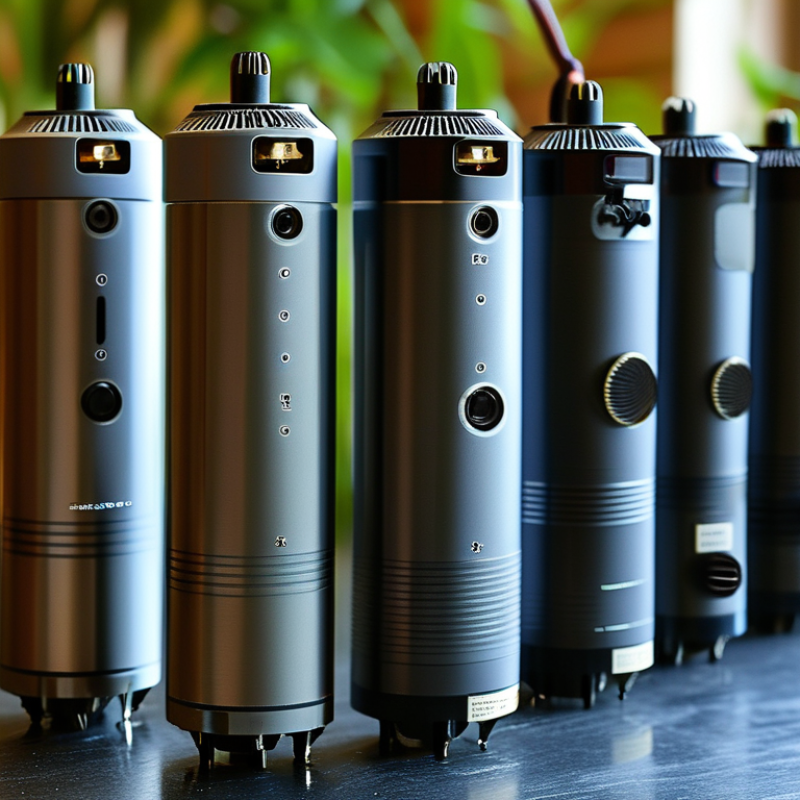
2026 How to Choose the Best DC Micro Vibration Motor?

Understanding DC Micro Vibration Motors and Their Applications

DC micro vibration motors are essential components in various applications. These tiny devices produce vibrations, making them vital for user feedback in electronics. You can find them in mobile phones, wearables, and gaming controllers. Their compact size allows seamless integration into devices without compromising design.

Understanding how these motors function is crucial. DC micro vibration motors typically operate using an eccentric rotating mass. This design creates vibrations when the rotor spins. The choice of motor can impact user experience significantly. For example, stronger vibrations enhance notifications, while subtle vibrations provide a more discreet feedback.

Choosing the right motor involves several considerations. Factors like size, power requirements, and vibration intensity matter. It’s common to overlook the importance of these details. A motor too powerful can overwhelm users, while one too weak may fail to deliver adequate feedback. Each application has unique needs, making it essential to evaluate performance metrics carefully.

Key Factors to Consider When Selecting a DC Micro Vibration Motor

Choosing the right DC micro vibration motor involves several key factors. One crucial aspect is the motor's size and weight. Compact designs are essential for portable devices. You need to ensure the motor fits well within the device's housing. A mismatch can lead to functionality issues.

Another consideration is the vibration frequency and amplitude. Different applications require various vibration characteristics. For instance, mobile phones might need subtle vibrations. In contrast, gaming devices may require stronger feedback. Determine the specific needs of your application carefully.

Lastly, evaluate the motor's lifespan and efficiency. Some motors may offer high performance at first but degrade quickly. Check manufacturer specifications, but also seek real user reviews. This helps identify potential longevity issues. Reflecting on these factors is vital for a successful selection. The right choice can enhance user experience significantly.

Types of DC Micro Vibration Motors and Their Differences

When selecting a DC micro vibration motor, understanding the various types is crucial. There are primarily two categories: brushed and brushless motors. Brushed motors are generally less expensive. They are simple and easy to control, making them suitable for basic applications. However, they require more maintenance due to wear and tear on the brushes. According to industry reports, brushed motors have a lower lifespan, averaging around 2000 hours of operation.

Conversely, brushless motors provide a longer lifespan and better efficiency. They do not have brushes to wear out, which significantly reduces maintenance needs. Their performance is consistent, with some models lasting over 10,000 hours. This longevity is advantageous in applications requiring reliability, such as medical devices. Furthermore, brushless motors can offer higher torque and faster speeds, making them appealing for advanced technology use.

Different applications may demand specific characteristics, such as size, weight, and vibration frequency. The frequency can range from 100 Hz to over 3000 Hz depending on the design. Understanding these specifications is vital. Improper selection might lead to device malfunction or user dissatisfaction. It’s essential to analyze each type’s strengths and limitations, ensuring the chosen motor aligns with your project's demands.

Evaluating Performance Specifications for Optimal Selection

When selecting a DC micro vibration motor, performance specifications play a crucial role. Focus on key metrics like voltage, frequency, and amplitude. A motor's voltage range determines its power efficiency and compatibility with your device. Look for a motor that operates smoothly within your application’s voltage needs.

Frequency is another vital factor. Different applications may demand varying vibration frequencies. A motor with adjustable frequency capabilities can offer greater versatility. Amplitude influences the motor's strength. For delicate projects, select motors designed for low amplitudes. This choice can prevent damage to sensitive components.

Evaluating the motor's efficiency often takes time. Many users overlook this critical aspect. Efficiency affects battery life and overall performance. Consider testing a few models before commitment. Pay attention to thermal performance, as excessive heat can lead to failures. Being mindful of these specifications will guide you to make a more informed choice in selecting the ideal DC micro vibration motor.

2026 How to Choose the Best DC Micro Vibration Motor? - Evaluating Performance Specifications for Optimal Selection

Model Voltage (V) Size (mm) Weight (g) Frequency (Hz) Max Vibration Force (N) Duty Cycle (%)
MV-001 3.0 10 x 5 5 200 0.5 20
MV-002 5.0 12 x 6 8 250 0.75 25
MV-003 6.0 14 x 7 10 300 1.0 30
MV-004 3.3 8 x 4 4 180 0.3 15
MV-005 4.5 11 x 5 6 240 0.6 22

Comparing Cost and Quality in DC Micro Vibration Motor Choices

When selecting a DC micro vibration motor, both cost and quality play crucial roles. A lower price might seem attractive, but it can indicate compromised quality. High-quality motors generally ensure better durability and performance. They often come with precise manufacturing standards. This can lead to longer service life and fewer replacements.

Finding a balance between cost and quality requires research. Compare specifications like vibration frequency and magnitude. Consider the material used in the motor. Some materials offer better resistance to wear, enhancing longevity. Many customers overlook such factors initially, only to be disappointed later.

Look for user reviews and expert opinions on various models. These sources provide insights into real-world performance. Sometimes, the most affordable option may fall short in reliability. It’s essential to reflect on past experiences with low-cost purchases. Quality should never be sacrificed for price alone. Always weigh your options carefully.

FAQS

: What are DC micro vibration motors?

: They produce vibrations, enhancing user feedback in devices like mobile phones and wearables.

How do these motors work?

They use an eccentric rotating mass, creating vibrations as the rotor spins.

Why is motor selection important?

The right motor impacts user experience significantly. It's crucial for adequate feedback.

What factors should be considered when choosing a motor?

Size, power requirements, and vibration intensity are essential factors to evaluate.

How do brushed and brushless motors differ?

Brushed motors are cheaper but wear out faster. Brushless motors last longer and require less maintenance.

What is the lifespan of these motors?

Brushed motors average about 2000 hours. Brushless motors can exceed 10,000 hours.

What vibration characteristics are needed for different applications?

Mobile phones may need subtle vibrations, while gaming devices may call for stronger feedback.

How can user reviews help in motor selection?

They can highlight potential longevity issues, enhancing informed decision-making for motor choice.

What happens with improper motor selection?

It may lead to device malfunction or user dissatisfaction, affecting overall experience.

Why is compact design crucial for motors?

Compact motors fit well into portable devices, preventing functionality issues within the housing.

Conclusion

Selecting the best DC Micro Vibration Motor involves understanding its fundamental applications and the variety of options available in the market. Key factors to consider include the motor's size, weight, and vibration frequency, which are crucial for ensuring it meets specific project requirements. Types of DC Micro Vibration Motors vary in design and function, influencing their performance characteristics and suitability for different tasks.

Additionally, evaluating performance specifications such as power consumption, durability, and vibration output is essential for making an informed choice. A balanced comparison of cost and quality will also help streamline the selection process, ensuring you choose a DC Micro Vibration Motor that not only fits your budget but also delivers the desired performance for your application. By considering these factors, you can make a well-informed decision tailored to your needs.

Isabella

Isabella

Isabella is a dedicated marketing professional with a sharp focus on driving brand growth and engagement through strategic content creation. With an extensive background in digital marketing, she combines her passion for storytelling with her keen understanding of industry trends to deliver......