Choosing the right Induction Motor in 2026 means looking beyond price and horsepower. A pump in a quiet water plant faces different demands from a conveyor starting under a full load. Speed control, starting torque, duty cycle, enclosure, and maintenance access all shape the decision. Small details matter.
The International Energy Agency’s 2011 report, Energy-Efficiency Policy Opportunities for Electric Motor-Driven Systems, estimates that motor-driven systems use about 45% of global electricity. That figure explains why efficiency deserves close attention, though it is not a guarantee of savings for every buyer. The U.S. Department of Energy’s motor-systems guidance also highlights the importance of considering the motor and its driven equipment as a system. A highly efficient motor cannot fix poor sizing or an unsuitable control strategy.
Electric-machines researcher Thomas A. Lipo, author of Introduction to AC Machine Design, has examined how design choices affect machine performance. A practical takeaway from his work is to assess the motor against its actual operating conditions, not its label alone. This guide compares common options, including three-phase squirrel-cage and wound-rotor motors, alongside single-phase designs for lighter-duty applications. It also considers variable-frequency-drive compatibility, service needs, and total operating cost. No type wins everywhere. A missed startup load can undo a tidy spreadsheet, and real installations are rarely as neat as the specification sheet. The aim is a defensible shortlist, not a universal winner.
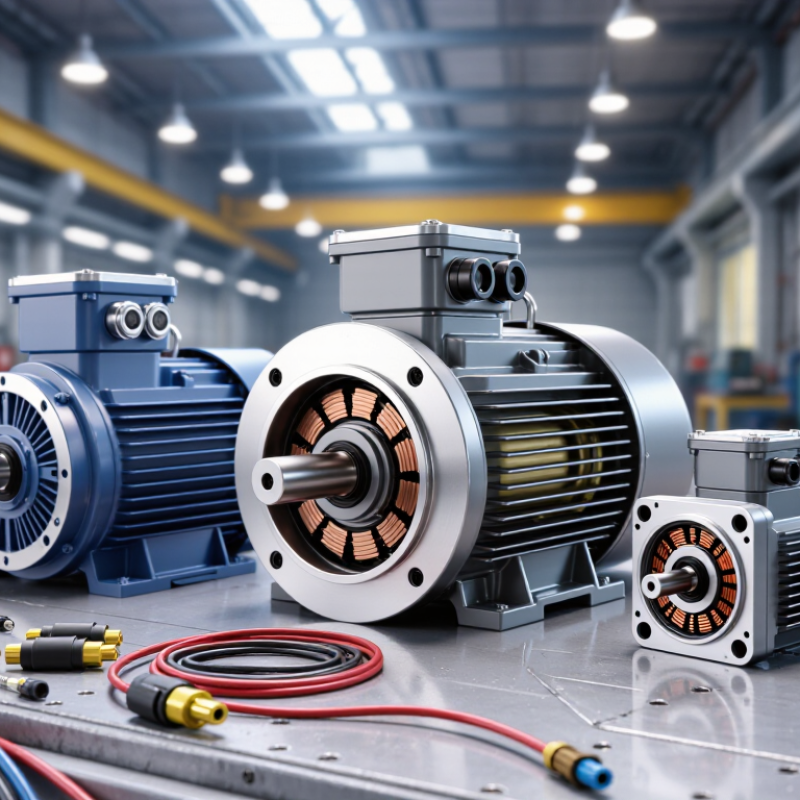
An induction motor turns electrical energy into motion without a direct electrical connection to its rotor. Alternating current in the stator creates a rotating magnetic field. This field induces current in the rotor, producing torque. The rotor turns slightly slower than the field; that difference is called slip. It is normal, not a fault. Squirrel-cage motors are common for their simple, robust construction. Wound-rotor designs can offer more starting control, but add complexity.
These motors drive pumps, fans, compressors, and conveyor belts across industrial sites and buildings. The U.S. Department of Energy’s Better Plants program reports that motor systems use about 70% of industrial electricity in the United States. That scale makes motor selection and control worth careful attention. A pump running against a partly closed valve, for example, may waste energy. Yet the cheapest motor is not always the best fit; load, starts per hour, and operating time matter.
Tips: Match the motor to the real load, not just its nameplate rating. Check speed, starting torque, enclosure, and duty cycle. Variable-speed control can help where demand changes often. Measure before choosing. Real operating conditions can surprise you.
Induction motors differ mainly in rotor construction, starting behavior, and speed control. These choices affect torque, heat, and maintenance. Three-phase squirrel-cage motors use conductive bars joined by end rings. Their robust rotors need little routine service, making them common in pumps and conveyors. That design is simple.
Wound-rotor motors use insulated rotor windings connected through slip rings. External resistance can increase starting torque and limit starting current, but brushes require inspection. Single-phase motors suit many smaller loads. Capacitor-start designs provide stronger starting torque, while shaded-pole motors are simpler and typically serve light-duty fans. A label alone can mislead; compare the actual load and start frequency.
The U.S. Department of Energy’s 2021 Industrial and Commercial Motor System Market Assessment estimates that motor-driven systems use about 69% of U.S. manufacturing electricity. That makes efficiency and operating hours important buying checks. IEC 60034-30-1 defines IE efficiency classes for many line-operated motors, but a high class does not guarantee a good match. For variable-speed pumps, confirm the motor and drive are compatible, then check cooling at low speeds. A poor fit can erase expected savings.
2026 Best Induction Motor Types for Buyers
Comparing induction motor types starts with the job, not the nameplate. Three-phase squirrel-cage motors suit many steady industrial loads because they are rugged and relatively simple to maintain. Wound-rotor designs can provide stronger starting torque, but their added components may increase maintenance needs. Single-phase motors often fit smaller equipment where three-phase power is unavailable. There is no universal winner.
Check performance under real operating conditions. A motor running near its rated load may use energy more effectively than one that is oversized and lightly loaded. Starting torque matters for conveyors and loaded pumps; speed control matters when demand changes. Also compare duty cycle, supply voltage, ambient temperature, and enclosure protection. A dusty workshop or hot pump room can change the practical choice. Catalog figures help, but I would not rely on efficiency alone. It is easy to overlook how often a motor starts.
Tips: Match the motor’s torque-speed curve to the driven equipment, then confirm the selection with the load profile. Ask about variable-frequency-drive compatibility when speed control is planned. Leave room for uncertainty: measured site conditions may differ from estimates.
Synchronous speed reference by pole count and supply frequency
Synchronous speed is calculated as 120 × supply frequency ÷ pole count. Actual induction-motor rotor speed is lower because of slip, which varies with motor design and load. Use frequency, pole count, load, and required speed when comparing motor options.
For pumps, fans, and conveyors, a three-phase squirrel-cage induction motor is often the practical starting point. Its rugged rotor has no brushes or slip rings, so routine maintenance is relatively straightforward. A fan moving steady air has different demands from a loaded conveyor that starts several times an hour. Check the load.
Smaller appliances and light-duty equipment may use single-phase induction motors where three-phase power is unavailable. They suit many modest loads, but starting torque and operating noise can vary by design. For heavy loads that must start smoothly, a wound-rotor motor can provide stronger starting torque through external resistance. That added control comes with more components to inspect and maintain. Not every buyer needs it.
Match the motor to the actual operating conditions, not just the nameplate horsepower. Record supply voltage and frequency, load type, expected run time, start frequency, and installation environment. Dust, heat, and poor ventilation can shorten service life, even when the motor appears correctly sized. A common buying mistake is choosing only by purchase price; energy use over years may matter more. Still, estimates can miss real duty cycles, so verify the assumptions with maintenance staff or equipment records before ordering. A slightly oversized motor is not automatically safer, either. Low-load operation may reduce efficiency.
Choosing an induction motor starts with the driven machine, not the motor catalogue. A centrifugal pump usually needs a different starting profile from a loaded conveyor. Check the required speed, torque, operating hours, and starts per hour. A small mismatch can cause slow acceleration or unnecessary heating. Measure the real load if possible; nameplate figures alone may not tell the whole story.
Match the motor to the available voltage, frequency, and phase supply. Then consider the installation: dust, moisture, ambient temperature, and ventilation all affect performance. For a variable-speed drive, confirm that the motor is suitable for the intended speed range and cooling method. Low-speed operation can reduce fan cooling. Also compare efficiency at the load the machine actually uses, rather than focusing only on peak efficiency. That detail is easy to overlook.
Starting current matters, especially where the electrical supply is limited. Check the motor’s starting torque against the load, and confirm that protective devices and cables can handle the operating conditions. A spreadsheet can narrow the options, but it cannot fully capture a sticky conveyor or a pump that starts against pressure. Leave room to verify assumptions with measured data. The “best” motor may be less powerful than expected, or not.
Three-phase squirrel-cage motors often suit pumps and conveyors. Their bar-and-ring rotors are rugged and need little routine service. Not always.
External resistance can increase starting torque and limit starting current. Slip rings and brushes need inspection, adding maintenance.
They often suit smaller equipment without three-phase power. Capacitor-start designs offer stronger starting torque; shaded-pole designs typically serve light-duty fans.
It helps match the motor to the driven equipment. Loaded pumps and conveyors may need strong starting torque. A nameplate alone can mislead.
Motor-driven systems use about 69% of U.S. manufacturing electricity, according to a 2021 assessment. Check operating hours and actual load, too.
Confirm compatibility and cooling at low speeds. A high efficiency class alone does not guarantee a suitable match.
Check duty cycle, supply voltage, ambient temperature, and enclosure protection. Dust or heat in a pump room can change the practical choice.
It may operate less effectively when lightly loaded. Compare the load profile and starting frequency. Estimates can be wrong; I might overlook that.
Choosing the right Induction Motor begins with understanding how it works: electromagnetic forces create rotation, while the motor’s design determines how it starts and performs under load. Common types include squirrel-cage and wound-rotor motors, as well as single-phase and three-phase designs. Their differences affect starting torque, speed behavior, efficiency, maintenance needs, and suitability for particular power supplies.
When comparing options, consider the required output, operating conditions, duty cycle, energy use, starting demands, and available space. A fan or pump may need different characteristics from a conveyor, compressor, or machine that starts under a heavy load. The best choice is not simply the most powerful motor; it is the one that reliably meets the application’s needs. Check the equipment requirements and expected workload before selecting a motor type, and allow for future operating demands where practical.

WICCA Motor