In today's industrial landscape, the demand for efficient machinery is ever-growing. Geared Electric Motors play a pivotal role in various applications. They provide high torque and precise speed control, making them ideal for both industrial and commercial use.
Selecting the right Geared Electric Motor can be challenging. Many factors influence performance, such as power ratings, gear ratios, and efficiency. Understanding these elements is crucial for optimal performance. A well-chosen motor can enhance productivity and reduce energy costs.
However, not all solutions are perfect. Some motors may falter in extreme conditions or have limited scalability. It’s essential to reflect on these shortcomings when making your choice. With careful research and evaluation, the best Geared Electric Motors can be discovered for your specific needs.
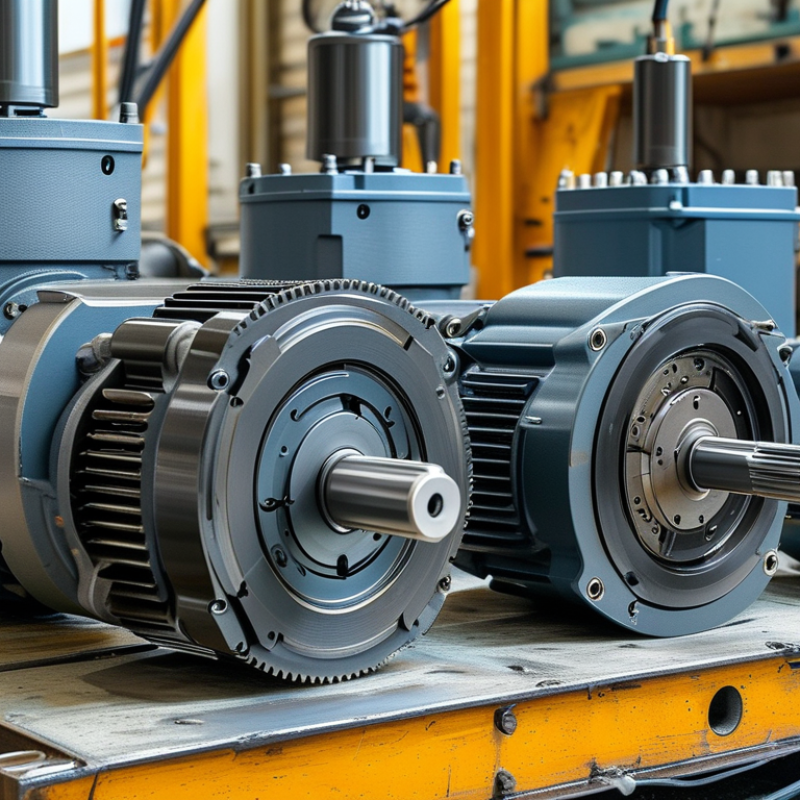
Geared electric motors play a crucial role in various applications across industries. Commonly, they are used in material handling, robotics, and automotive sectors. According to a report by ResearchAndMarkets, the global geared motor market is projected to reach USD 12 billion by 2026, highlighting their significance in modern manufacturing and automation.
Types of geared electric motors vary widely. Gear types include spur gears, bevel gears, and worm gears. Each type offers unique advantages depending on the application. For instance, worm gears provide high torque and low speed, suitable for heavy loads. Understanding these types is essential for selecting the right motor for specific needs. However, not all geared motors are created equal, and inefficiencies can arise if the wrong type is chosen.
When selecting a geared electric motor, it is crucial to analyze your application's requirements. Consider load conditions, speed, and torque demands. Be aware that an incorrect motor can lead to energy waste and decreased performance, emphasizing the need for careful selection.
Maintenance is equally important. Regular checks on gear alignment and lubrication can enhance longevity. If overlooked, these factors can cause premature wear and tear. Engaging with reliable suppliers can ensure you receive quality products, thereby minimizing failures.
When selecting geared electric motors, understanding key factors is essential. One crucial aspect is performance. Assessing torque and speed requirements is fundamental. Different applications demand specific characteristics. For example, high-torque motors are vital for heavy machinery. Ensure to match the motor’s capabilities with your project’s needs.
Another important factor is efficiency. High-efficiency motors lead to lower operational costs. Look for motors with improved efficiency ratings to save energy. This can significantly reduce long-term expenses. Also, consider the environment in which the motor will operate. Temperature and humidity can affect performance and lifespan.
Reliability is another consideration. Choose motors with a proven track record in similar applications. An unreliable motor can lead to costly downtime. Reflecting on previous choices can inform better decisions. This process improves procurement strategies. In the end, understanding these aspects can enhance your selection of geared electric motors.
The global demand for geared electric motors is on the rise, driven by various sectors including manufacturing, automotive, and renewable energy. According to a market research report by Industry Research, the geared motor market is expected to grow at a CAGR of 5.4% from 2022 to 2028. This growth underscores the need for reliable, efficient, and versatile solutions in motion control.
A variety of global suppliers are stepping up to meet this demand. These suppliers offer a diverse range of geared motors, which cater to different applications. For instance, some motors are optimized for high torque, while others excel in compact design. Notably, a report by Markets and Markets highlights the increasing emphasis on energy efficiency among manufacturers. This trend pushes suppliers to innovate continuously and provide improved energy-saving solutions.
However, the industry faces challenges. Supply chain disruptions have been noted, impacting availability and pricing. Suppliers must adapt to these fluctuations, balancing cost and reliability. This situation compels customers to reconsider their sourcing strategies. Establishing long-term relationships with suppliers can mitigate risks and ensure consistent supply. The evolving landscape demands an agile approach from all stakeholders in the geared electric motor market.
When evaluating geared electric motors, performance and efficiency are paramount. These motors convert electrical energy into mechanical torque. The effectiveness of this conversion is essential across various applications, from industrial machinery to renewable energy systems. Choosing the right motor involves examining torque ratings, speed, and power consumption. Often, a balance between high torque and low energy use is ideal.
Understanding efficiency ratings helps gauge a motor’s performance. Not all ratings are created equal, and discrepancies can arise based on testing conditions. The actual performance may differ from specified ratings. It is crucial to delve into independent test results for accuracy. Sometimes, motors that excel in one area may compromise in another. This aspect requires careful consideration during selection.
Customization is an additional factor that influences efficiency. Motors designed for specific tasks can optimize performance. However, customization can lead to higher costs and longer lead times. Organizations must weigh these trade-offs when sourcing motors. The pursuit of the best geared electric motor is nuanced, reflecting the need for ongoing reflection and assessment in operational requirements.
| Motor Type | Power Rating (kW) | Voltage (V) | Efficiency (%) | Gear Ratio | Torque (Nm) |
|---|---|---|---|---|---|
| AC Gear Motor | 5 | 400 | 90 | 20:1 | 25 |
| DC Gear Motor | 3 | 24 | 85 | 15:1 | 15 |
| Stepper Gear Motor | 2 | 48 | 80 | 10:1 | 10 |
| Brushless Gear Motor | 4 | 48 | 95 | 30:1 | 30 |
Recent trends in geared electric motor technology emphasize efficiency and compactness. Manufacturers are focusing on lightweight materials to reduce weight without compromising power. This innovation allows for smaller designs that fit various applications, from automotive to industrial machinery. These motors now offer improved torque capabilities, making them suitable for demanding environments.
Smart technology is another area gaining traction. Integrating sensors into motors helps monitor performance in real-time. Users can receive alerts on operational issues, enhancing maintenance strategies. However, as technology evolves, it also raises challenges. The complexity of these systems can lead to potential failures if not properly managed. Record-keeping and continuous training become essential for users to harness these advancements effectively.
Despite the leaps in technology, some drawbacks persist. Users may face compatibility issues with older systems. Emerging motor designs might not integrate seamlessly with legacy systems. This can lead to inefficiencies, underscoring the importance of adapting and upgrading infrastructure. The future of geared electric motors looks promising, but industry professionals must navigate these challenges with a proactive approach.
: Focus on performance, torque, speed, and application requirements. Match the motor to your project's specific needs.
High-efficiency motors reduce operational costs. Improved ratings save energy and lower long-term expenses significantly.
Temperature and humidity can impact motor lifespan and performance. Choose motors suitable for your operating environment.
Choose motors with a proven track record. Unreliable motors can cause costly downtimes; reflect on past performances.
Ratings can differ based on test conditions. Independent test results provide more accurate performance insights.
Customization can optimize performance but may increase costs and extend lead times. Weigh these factors carefully before proceeding.
Trends include compact designs and lightweight materials. These innovations improve torque capabilities and fit various applications.
Integrating sensors offers real-time performance monitoring. However, it raises complexity, requiring proper training and management.
Compatibility issues with legacy systems may arise. This can lead to inefficiencies; consider infrastructure upgrades as necessary.
Stay proactive in navigating challenges, and continuously assess operational requirements for effective motor selection and use.
The article titled "Discover the Best Geared Electric Motors for Global Procurement" delves into the essential aspects of geared electric motors, outlining the various types and their applications across different industries. It emphasizes the importance of understanding key factors such as torque, speed, and efficiency when selecting the appropriate geared electric motor for specific operational needs.
Furthermore, the article highlights the top global suppliers that stand out in the market and examines how to evaluate the performance and efficiency of these motors. Readers are introduced to current trends and innovations in geared electric motor technology, offering insights into advancements that could shape future procurement strategies. Overall, this comprehensive overview serves as a valuable resource for anyone involved in the procurement of geared electric motors.

WICCA Motor