As industries evolve, the demand for efficient and reliable power sources grows. The Brushless DC Motor has emerged as a key component in this shift. With increasing applications in robotics and electric vehicles, these motors offer significant advantages. They provide higher efficiency, reduced maintenance, and longer lifespans compared to traditional motors. This makes them highly appealing for global buyers.
In 2026, the market for Brushless DC Motors is expected to expand further. Buyers need to consider various factors when making their choice. Not all motors are created equal, and differences can impact performance and cost. Some brands may boast high efficiency, but do they deliver? Understanding specifications and applications is crucial for effective selection.
Global buyers should remain cautious. The rising popularity of Brushless DC Motors has led to a flood of options. This variety can be overwhelming. It's important to reflect on priorities and requirements before purchasing. Reliability and expert recommendations should guide decisions in this rapidly changing landscape.
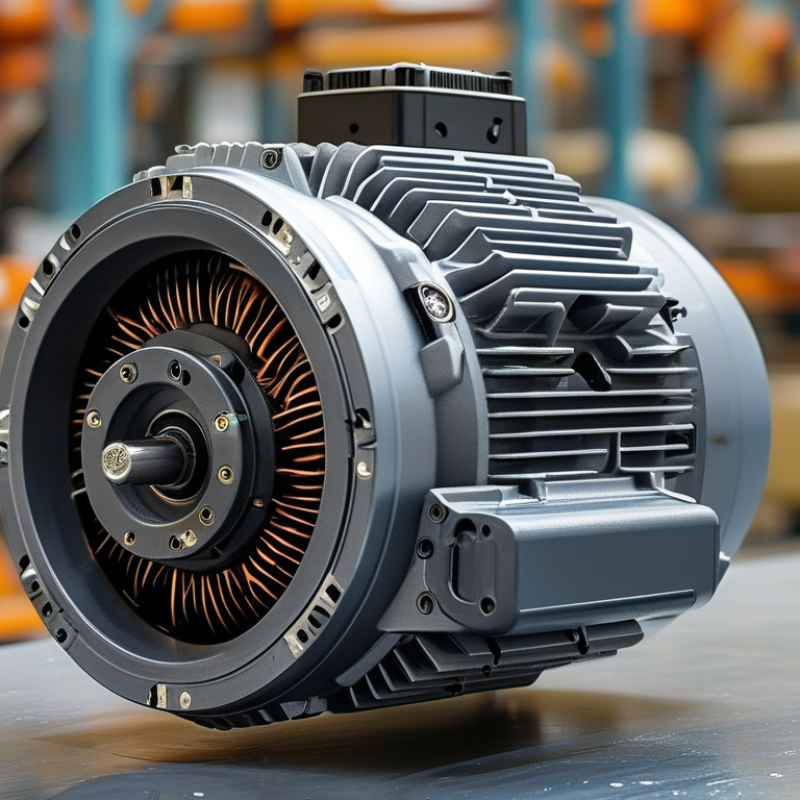
Brushless DC motors (BLDC) are transforming various industries with their efficiency and reliability. These motors operate without brushes, reducing friction and wear. This design enhances their lifespan and performance. They find wide applications in robotics, automotive, and consumer electronics, making them vital in modern technology.
In robotics, BLDC motors enable precise control and high torque. They are essential in robotic arms and drones, providing smooth movement. In the automotive sector, these motors power electric vehicles, enhancing their efficiency. This shift towards electric mobility underscores the growing demand for dependable BLDC motors. However, challenges exist, such as thermal management and control complexity.
Consumer electronics also benefit from brushless technology. Devices like vacuum cleaners and power tools use BLDC motors for superior performance. Despite their advantages, users may experience issues like sudden stalls or jerky movements. Understanding these limitations is crucial for effective application. Manufacturers continue to innovate, aiming to resolve these pain points while expanding motor capabilities.
| Motor Type | Power (W) | Voltage (V) | Efficiency (%) | Application |
|---|---|---|---|---|
| Compact Brushless DC Motor | 50 | 24 | 90 | Robotics |
| High Torque Brushless DC Motor | 200 | 48 | 85 | Electric Vehicles |
| Miniature Brushless DC Motor | 10 | 12 | 92 | Consumer Electronics |
| High-Speed Brushless DC Motor | 150 | 36 | 88 | Aerospace |
| Robust Brushless DC Motor | 300 | 60 | 80 | Industrial Automation |
When selecting brushless DC motors, several key features require attention. Efficiency stands out as a critical factor. A motor's efficiency impacts energy consumption and overall performance. Look for motors with high efficiency ratings to ensure optimal usage in various applications. Cooling systems are also essential. Proper heat management can prolong a motor's lifespan and prevent failures.
Another essential aspect is torque characteristics. Understanding the torque curve helps in choosing the right motor for specific tasks. High starting torque is vital for applications requiring quick acceleration. Furthermore, consider the motor's size and weight. Compact designs often facilitate easier installation, especially in tight spaces.
It is important to evaluate the control mechanisms as well. Advanced control methods can enhance responsiveness and precision. Reliability should not be overlooked either. Researching user reviews and seeking expert recommendations can provide insights. Often, users overlook the long-term performance of motors, which can differ from initial expectations. Choose wisely, considering these aspects for successful applications.
The global market for brushless DC motors continues to expand. As of 2023, the market was valued at approximately $20 billion. It is projected to reach around $30 billion by 2026. This growth is led by rising demand in various sectors, including automotive and consumer electronics. Brushless DC motors are favored due to their efficiency and durability. Data from industry reports indicate an annual growth rate of about 8%.
Several brands are prominent in this competitive landscape. They often focus on innovation and sustainability. According to market research, around 42% of buyers prioritize energy efficiency in their purchasing decisions. Emerging technologies, such as IoT integration, are also shaping brand strategies. However, there is a need for constant adaptation to shifts in consumer preferences.
While the technology is robust, challenges remain. Some brands struggle with supply chain issues, impacting production timelines. Customer feedback highlights concerns over parts availability for repairs. Many companies are working to address these shortcomings through better inventory management. Industry analysts note that continuous improvement is crucial for sustaining market leadership.
Brushless DC motors are evolving with innovative technologies. In 2026, several trends will likely dominate the design landscape. One key advancement is the integration of advanced sensors. These sensors improve efficiency and performance. They enable precise control of motor functions.
Cooling technologies are becoming more relevant too. Effective cooling solutions help extend motor life. Many users overlook this aspect. A well-cooled motor can operate under higher loads.
Tips: Consider the motor's application early in the selection process. Assessing load requirements is essential. This ensures optimal performance. Additionally, keep an eye on the motor's weight. Lightweight designs enhance portability and ease of installation.
The use of smart materials is on the rise. These materials allow for better energy management. However, they also present challenges. Implementing new materials requires testing and adaptation. Understanding these nuances is crucial for successful integration.
As we look ahead to 2026, the brushless DC motor market is poised for significant growth. Industry experts predict increased demand driven by applications in automation, robotics, and electric vehicles. These motors offer high efficiency and longevity, making them appealing for manufacturers. Tech advancements continue to enhance their performance, but challenges remain in supply chain management and material costs.
The future landscape will likely see a rise in innovation. Companies are investing in research to improve motor design. Increased integration of sensors and smart technology will enhance performance. However, the reliance on specific materials could pose risks. Sustainability issues are also a concern, as sourcing may impact costs and production timelines. This creates a need for alternatives and further research.
Market dynamics show fluctuating demand across different regions. Some areas are adapting quickly, while others lag behind. Understanding local markets is crucial for success. Companies must analyze trends and be flexible. While the outlook is bright, navigating the complexities will require strategic thinking and adaptability.
This chart illustrates the projected growth of the brushless DC motors market from 2019 to 2026, highlighting a significant upward trend in market size, reaching approximately 15.5 billion USD by 2026.
: BLDC motors operate without brushes, reducing friction and enhancing performance and lifespan.
BLDC motors are widely used in robotics, automotive, and consumer electronics.
They provide precise control, high torque, and smooth movement for robotic arms and drones.
Users may experience sudden stalls or jerky movements, highlighting the need for understanding limitations.
Expect integration of advanced sensors and improved cooling technologies for better efficiency.
Effective cooling systems can extend motor life and enhance performance under higher loads.
Smart materials improve energy management but pose challenges for testing and implementation.
The market is predicted to grow, driven by automation, robotics, and electric vehicles.
Challenges include supply chain management, material costs, and sustainability concerns.
Different regions adapt at varying speeds; understanding trends helps in strategic planning.
The article titled "Best Brushless DC Motors for Global Buyers in 2026" offers an in-depth overview of Brushless DC Motors, highlighting their diverse applications across various industries. It emphasizes the key features that buyers should consider, such as efficiency, torque, and control options, which are crucial for selecting the right motor for specific needs.
Additionally, the article examines innovative technologies and design trends shaping the future of Brushless DC Motors, predicting significant market growth driven by advancements in automation and electric vehicles. With a clear focus on the evolving landscape, it provides valuable insights into how these motors are poised to meet the demands of global buyers in the coming years.

WICCA Motor